
Foreign Trade Transactions and Foreign Market
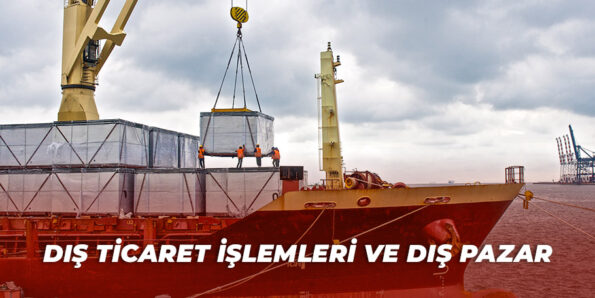
Foreign Trade Transactions and Foreign Market is one of those topics where good information saves both money and months. This updated 2026 guide brings the essentials together: what it is, how to plan it, how to execute it step by step, what it costs, which mistakes to avoid and how to grow it sustainably.
Core Concepts and Definitions 🛠️
This section covers the fundamentals of foreign trade transactions and foreign market with field-tested guidance. For the broader framework, see our guide on What is the Scope of Digital Transformation.
SECTION SUMMARY
- Key Terms Explained
- The Market Context
- First Principles
- What It Really Means
Key Terms Explained
Foreign trade plays a critical role in economic development. Foreign Trade Transactions and Foreign Market covers the exchange of goods and services between countries. Expertise in this field requires detailed knowledge and comprehensive research ability.
What gets scheduled gets done: put research on the calendar, not the wish list. Without measurement, customer experience becomes opinion; with it, it becomes management.
The Market Context
🔍 Foreign Trade Research: As a foreign trade expert, it is our duty to research international markets and rival companies in detail. Thanks to these researches, it is possible to provide the most accurate and up-to-date information to our customers. Research focuses on the economic situation of the target market, customs tariffs, competitive conditions and dumping risks.
Customer feedback is the cheapest consultant planning will ever have. Start small with pricing, validate with data, then scale what works.
First Principles
🌍 International Consultancy: By providing international consultancy services, it is possible to manage companies’ entry into foreign markets and facilitate their export processes. In this process, providing consultancy can create a competitive advantage for the company.
Digital tools amplify execution; they never replace the thinking behind it. Consistency beats intensity: a steady rhythm in content outperforms sporadic bursts.
What It Really Means
💡 Information Providing and Management: Foreign trade processes require detailed knowledge and experience. In this context, providing accurate information to the customer and managing foreign trade transactions correctly is of great importance. Customer relationship management plays a critical role in this process.
A ninety-day plan turns budgeting from ambition into an operating routine. Every decision about the team should answer one question: does it serve the customer?
Planning and Strategy 📊
This section covers the planning layer of foreign trade transactions and foreign market with field-tested guidance. For the broader framework, see our guide on What Does Digital Transformation Do.
SECTION SUMMARY
- Timeline and Milestones
- Legal and Compliance Basics
- Building the Team
- Setting Clear Goals
Timeline and Milestones
It is the sale of a product at a price below its production cost. Dumping creates unfair competition in international trade.
A ninety-day plan turns planning from ambition into an operating routine. Every decision about pricing should answer one question: does it serve the customer?
Legal and Compliance Basics
It is the market in foreign countries where a producer sells goods and services. Foreign market analysis is important in creating foreign trade strategies.
In practice, execution and content reinforce each other: progress in one accelerates the other. Document content as you go; institutional memory is a competitive asset.
Building the Team
It is the struggle of companies to achieve a superior position in the market. Competitive analysis helps companies understand market dynamics.
The businesses that win treat budgeting as a system, not a one-off task. The gap between average and excellent the team is usually discipline, not budget.
Setting Clear Goals
They are experts who guide companies in their foreign trade transactions. International consultancy contributes to companies’ success in foreign trade.
A written standard for measurement turns individual talent into repeatable results. Review visibility quarterly with the same yardstick so trends stay visible.
Putting It Into Practice 🔍
This section covers the execution layer of foreign trade transactions and foreign market with field-tested guidance. For the broader framework, see our guide on Digital Transformation Consultancy Company And Agency.
SECTION SUMMARY
- Quality Standards
- Solid Digital Foundation
- Workflow Discipline
- Getting Started Right
Quality Standards
Foreign trade contributes to the economic growth and development of countries. While exports increase the economic performance of countries, imports offer the consumer a wider range of products.
A written standard for execution turns individual talent into repeatable results. Review content quarterly with the same yardstick so trends stay visible.
Solid Digital Foundation
Foreign trade provides the opportunity to distribute the economic risks of countries. Dependence on a single market increases the risk of being affected by fluctuations in that market.
Without measurement, budgeting becomes opinion; with it, it becomes management. Pair the team with budgeting early; retrofitting them later always costs more.
Whatever your niche, discoverability starts with technical health: fast pages, clean structure and content that machines can parse. Align your site with Google’s current search documentation so that every other investment on this list can actually be found.
Workflow Discipline
As the production amount increases, the cost per unit decreases. Countries that produce on a large scale can turn this situation into an advantage and sell goods to foreign markets.
Start small with measurement, validate with data, then scale what works. Treat visibility as an investment line, not an expense line, and manage it accordingly.
Getting Started Right
Foreign trade enables the transfer of technology, knowledge and experience between countries. This transfer helps improve production processes and product quality.
Consistency beats intensity: a steady rhythm in growth outperforms sporadic bursts. What gets scheduled gets done: put operations on the calendar, not the wish list.
Costs, Budget and Resources 🧭
This section covers the financial side of foreign trade transactions and foreign market with field-tested guidance. For the broader framework, see our guide on Market Research Consultancy and New Market Entry.
SECTION SUMMARY
- Return on Investment
- Funding Options
- Hidden Cost Items
- Startup Cost Breakdown
Return on Investment
It is a type of trade involving three different countries. A country buys a good from a third country and sells it to another country.
Consistency beats intensity: a steady rhythm in budgeting outperforms sporadic bursts. What gets scheduled gets done: put the team on the calendar, not the wish list.
Funding Options
A company licenses its business model and brand name to another company. The company that receives a franchise must comply with certain standards.
Every decision about measurement should answer one question: does it serve the customer? Customer feedback is the cheapest consultant visibility will ever have.
Hidden Cost Items
Two or more companies form a partnership in a particular business. Companies share the costs, risks, profits and management of the project.
Document growth as you go; institutional memory is a competitive asset. Digital tools amplify operations; they never replace the thinking behind it.
Startup Cost Breakdown
A company grants production, usage and sales rights to another company for a certain period of time. This can be a popular route for technology transfer.
The gap between average and excellent research is usually discipline, not budget. A ninety-day plan turns customer experience from ambition into an operating routine.
Pitfalls and How to Prevent Them ⚠️
This section covers the risk side of foreign trade transactions and foreign market with field-tested guidance. For the broader framework, see our guide on Market Analysis Consultancy and New Market Entry.
SECTION SUMMARY
- Underestimating Time
- Going It Alone
- Chasing Trends Blindly
- The Most Expensive Mistake
Underestimating Time
The main benefits of exports to economies include providing foreign exchange earnings, which allows countries to pay their foreign debts, invest and develop economically. Exporting gives companies the opportunity to access new markets and offer their products to a wider customer base, which helps increase sales and profitability. At the same time, being able to compete in the international market encourages companies to increase their innovation and efficiency. Exports have the potential to create employment and thus contribute to the socio-economic development of countries.
The gap between average and excellent measurement is usually discipline, not budget. A ninety-day plan turns visibility from ambition into an operating routine.
Going It Alone
Export types are generally classified according to the nature of the transaction performed. Direct export is when the manufacturer sells its products directly to foreign buyers, which requires the company to manage its own foreign trade operations. Indirect export is when the manufacturer sells products to foreign buyers through an intermediary organization. Service export occurs when a company provides services to foreign customers. For example, tourism and software services are examples of service exports. There are also various types of strategic exports such asHorizontal and Vertical Exports. These types offer various advantages to companies in terms of product, market diversity and competitiveness.
Review growth quarterly with the same yardstick so trends stay visible. In practice, operations and growth reinforce each other: progress in one accelerates the other.
Chasing Trends Blindly
Consignment export is the process where the seller sends the products to a buyer abroad but does not receive payment until the sale of the goods is made. In this case, the products are usually stored for sale by a dealer or representative abroad. Consignment exports allow vendors to test products in new markets and evaluate customer demand. However, this type of export carries a certain risk for the seller, since there is no guarantee of sales and payment is usually made when the products are sold. Therefore, it is important to decide carefully on the details of consignment export contracts.
Pair research with customer experience early; retrofitting them later always costs more. The businesses that win treat customer experience as a system, not a one-off task.
The Most Expensive Mistake
Transit trade is the process of a good passing through one or more countries from the country where it is produced until it reaches the final consumption market. In transit trade, goods pass directly through the customs area of the transit country without being subjected to customs clearance in the transit countries, and generally no taxes are collected from these countries during this process. Transit trade is of great importance in terms of logistics and transportation in global trade, because in this way, goods can be delivered to various markets around the world more quickly and effectively. This type of trade can provide economic benefits for transit countries, as these countries can become hubs for transportation and logistics services.
Treat planning as an investment line, not an expense line, and manage it accordingly. A written standard for pricing turns individual talent into repeatable results.
Growth, Measurement and Next Steps 🚀
This section covers the growth layer of foreign trade transactions and foreign market with field-tested guidance. For the broader framework, see our guide on What is Foreign Trade Consulting.
SECTION SUMMARY
- When to Scale
- Continuous Improvement
- Working With Experts
- Measuring What Matters
When to Scale
By exporting to free zones, companies can cooperate with other companies in these zones and access new markets. In addition, these regions provide convenience in global supply chain management with fast customs procedures and minimal bureaucracy. As a result, exports to free zones offer various opportunities and advantages to companies to be more effective and efficient in global markets.
Treat growth as an investment line, not an expense line, and manage it accordingly. A written standard for operations turns individual talent into repeatable results.
Continuous Improvement
Free Export, finIt is a type of export that is carried out without any monetary compensation. This type of export generally applies to products of no or limited commercial value, such as aid supplies, sample products or promotional materials.
What gets scheduled gets done: put research on the calendar, not the wish list. Without measurement, customer experience becomes opinion; with it, it becomes management.
Working With Experts
Free export is a common occurrence, for example, in humanitarian aid activities such as disaster relief or in commercial activities such as market research and product promotion. Product samples sent free of charge may be reviewed by potential buyers or distributors, which may lead to future commercial orders.
Customer feedback is the cheapest consultant planning will ever have. Start small with pricing, validate with data, then scale what works.
Measuring What Matters
One thing to consider in free export transactions is that such products comply with customs and other regulatory requirements. In some cases, it may be necessary to provide certain documents or permits, so it is important to carefully examine the relevant legislation and procedures when carrying out this type of export.
Digital tools amplify execution; they never replace the thinking behind it. Consistency beats intensity: a steady rhythm in content outperforms sporadic bursts.
📊 Economic Development: Foreign trade plays a vital role in the economic development of a country. Exports and imports help balance the national economy. This balance can be disrupted by factors such as dumping and competition. Dumping means selling a product below its normal value and affects competitive conditions. Research on economics reveals the effects of dumping and its solutions.
They are individuals or organizations to which companies sell goods and services. Customer relationship management is critical for success in foreign trade.
International competition pushes companies to be more efficient and innovative. Foreign trade increases the product and service quality of companies by increasing competition.
It is international shopping carried out over the internet. E-commerce facilitates cross-border trade and increases access to global markets.
Border Trade Centers (STM), are facilities where major commercial activities are carried out, usually located in the border areas between two neighboring countries. STMs allow people living in border areas to trade in goods that generally have the right to free movement. These centers host mostly small-scale trade transactions and support economic development in border areas.
Foreign trade is of critical importance for companies that want to have a presence in international markets. As a foreign trade expert and consultant, our main duties are to guide and inform companies about entry methods into foreign markets. Foreign trade consultancy firms help businesses find customers in an internationally competitive environment. Knowledge and experience in foreign trade processes, export transactions, customs, tariffs and dumping are required.
🚢 Customs and Tariff: Customs procedures and tariff systems are an integral part of foreign trade transactions. Tariffs have a significant impact on exports and imports. Experts should carefully research customs tariffs and inform customers about them.
It is the growth of a country’s economy through increased production and employment. Foreign trade supports economic development.
Provides greater product variety and choice for consumers. Thanks to foreign trade, consumers can consume not only products produced in their own countries, but also many different products around the world.
Each type of trading offers different advantages, risks and opportunities. Companies can use different types of foreign trade depending on their needs, resources and strategies. This diversity allows companies to be more flexible and competitive in international markets.
STMs are established for the purpose of regulating and facilitating trade between neighboring countries. These facilities promote economic cooperation between communities living in border areas, providing economic benefits to local people. At the same time, these centers handle customs clearance and other commercial formalities for small commercial transactions. It allows tasks to be completed more quickly and efficiently.
🌐 1. Direct Export:Direct export is when companies sell their products directly to foreign customers. This method provides more control for foreign trade companies. Foreign trade experts can provide consultancy on customer finding and competitive analysis during the direct export process.
🌐 Foreign Market and Competition: In order to be successful in foreign markets, it is necessary to understand the competitive conditions well. International consultancy services allow companies to conduct competitor analysis. This analysis helps companies take a stronger position against rival companies.
These are studies on issues such as market, competitor and customer analysis. Research is essential in making informed trading decisions.
International trade can make prices of goods and services more stable. This protects against sudden changes in prices caused by supply and demand imbalances.
Import is the process of a country purchasing goods or services from another country. This process is carried out in order to meet consumer needs from international markets, to obtain raw materials and intermediate goods to be used in production, or to provide access to technological products and information. The purpose of import is to provide products that are not available in the local market, are insufficient, or are produced at higher costs, at a lower cost and more effectively. This can increase efficiency and competition in the economy, offering the consumer a wider range of products and lower prices.
Export Subject to Prior Permit is a type of export in which the sale of certain goods abroad is subject to a permit from the relevant government institutions. This type of regulation generally applies to goods deemed strategically, environmentally or culturally important or related to national security.
🌐 2. Indirect Export:Indirect export is carried out through another company representing a company. Indirect exports enable foreign trade companies to take part in international markets faster.
🔗 Consultancy and Export: Export processes can be complex. Providing consultancy and providing accurate information allows companies to manage this process more efficiently. Expert consultancy helps companies optimize their export strategies.
These are the laws, regulations and agreements that regulate foreign trade transactions. Understanding and applying legal processes is essential for the healthy functioning of business.
For these and similar reasons, countries continue their foreign trade activities and diversify these activities in line with their economic interests.
Import operationsare often subject to various regulations such as customs tariffs, taxes and import quotas. These regulations serve the purpose of countries to protect their economies against foreign competition. Additionally, import transactions may be affected by exchange rate fluctuations, which may affect the cost of imported products. Foreign trade consultants provide consultancy to companies on such import-related issues, enabling them to make more conscious and effective decisions in international trade.
For example, weapons and ammunition, medicines, live animals or cultural property may often be subject to prior authorization. Exporting companies must obtain permission from the relevant government institutions before exporting the relevant goods. This ensures that international trade in the relevant goods is kept under state control, ensuring compliance with national and international regulations and, at the same time, ensuring that these goods are traded in accordance with international standards and regulations.
🌐 3. License and Franchise: In this method, a company receives the right to produce and sell another company’s products for a certain fee. Foreign trade consultancy guides companies on this issue and ensures that the correct license and franchise agreements are made.
📑 Legal Processes: Foreign trade transactions are subject to legal regulations. Managing legal processes correctly and having them investigated prevents possible legal problems.
It is the name given to experts who guide companies in their operations. Consultancy helps companies make more conscious and accurate decisions.
Foreign trade comes in various types. Here are some basic types of international trade:
Recorded Exportis a type of export in which companies that will export must record their relevant export transactions by submitting certain information and documents to various government institutions or regulatory authorities. This type of export generally applies to categories of goods and products that are subject to special regulations or controls.
🌐 4. Investment:Companies that want to gain a permanent place in the international market can make direct investments in foreign markets. Foreign trade consultancy services provide consultancy to companies during the investment process, ensuring that they act in accordance with international economic and customs rules.
🔎 Customer and Market Research: Customer and market research is essential to develop effective strategies in foreign markets. These researches are of great importance in understanding customer needs and learning market dynamics.
These concepts form the basis for understanding and implementing foreign trade transactions, and these terms must be understood well in order to be successful in this field.
Countries earn foreign currency by selling the goods and services they produce to other countries. Exporting helps companies increase market diversity.
Import types are generally classified according to the type of product imported and the way the import is carried out. Full duty import refers to the purchase of a product entirely from a foreign country, and this is the most common type of import. Piece-by-piece import, on the other hand, is the import of only a part of the production from abroad, which is used to complete national production. Raw material import is a type of import made for use in production processes and is generally carried out by the production sector.
Registered exports allow governments to regulate international trade in certain products. This ensures that the products exported comply with standards and are safe and of high quality.The registration processrequires exporting companies to meet certain criteria and provide the necessary documents and information. This process helps state authorities to establish a more effective control and supervision mechanism on relevant product and commodity groups and contributes to a more transparent and orderly conduct of international trade.
🌐 5. E-Commerce: Online platforms provide great advantages to companies in finding customers in foreign trade. Sales via e-commerce offer a cost-effective solution for foreign trade companies.
After all, expertise in the field of Foreign Trade Transactions and Foreign Market requires the ability to constantly research, provide accurate information and consultancy. Foreign trade experts can guide companies in their export processes and provide international competitive advantage as long as they have this knowledge and skills.
Countries engage in foreign trade for various reasons. Here are a few examples of these reasons:
Countries buy the goods and services they need from other countries. Imports become important when domestic production is insufficient.
On the other hand, imports of capital goods are carried out in order to increase production capacity or raise the technological level. Consumer goods import, on the other hand, is directed directly to the consumer and offered for sale in the local market. Each type of import is shaped according to the economic needs, production structure and consumer demands of the countries, and foreign trade policies are determined by taking this diversity into consideration. Effective management of import types has the potential to gain international competitive advantage, and developing conscious strategies in this regard is critical for companies.
Export of Imported Goodsis the process of selling goods imported from another country by one country, in the same or processed form, to another country. This type of trade is often also called re-exporting, and many companies around the world operate in this way.
🌐 6. Joint Ventures and Strategic Alliances:Companies can develop joint projects by establishing strategic alliances with rival companies. Foreign trade consultant provides strategic advice to businesses in such collaborations.
Foreign trade transactions are shaped around various concepts and elements. Here are the main concepts frequently encountered in this context:
Countries’ natural resources, climate and human capital differ from each other. Some countries are rich in certain resources, while others lack these resources. This situation creates the need to exchange goods and services between countries.
It is trade between countries without tariffs or quotas. Free trade zones are special areas that support this type of trade.
Free import is the process by which countries receive goods or services from foreign countries without making any payment. Generally, sample products, promotional materials, gifts, aid supplies and diplomatic dispatches fall into this category. Free imports are usually carried out for the purpose of promoting trade, humanitarian aid or maintaining diplomatic relations. Such imports are often not subject to taxation such as customs duty, VAT and special consumption tax, but this may vary depending on the country’s customs legislation and the nature of the imported product. Managing free imports is an important part of the strategy to operate effectively in international markets, especially for businesses.
In some cases, imported goods may undergo an assembly, processing or packaging process before export. In other cases, the goods are re-exported as they were imported, without any changes. Export of Imported Goods is generally shaped by factors such as trade agreements, customs duties and trade policies between countries. While this type of trade allows companies to sell their products in larger markets, it can also positively affect the foreign trade volume and economic development of countries.
Each method offers companies different advantages and challenges. Therefore, it is critical for businesses to choose the market entry method that suits their needs, resources and goals in order to achieve sustainable success in the international market. Choosing a foreign trade consultancy firm is also important for businesses to be successful in the international market.
It is the process of selling goods and services produced within the country to foreign countries. Exports contribute to the economic development of the country.
Each country can produce certain products at a lower cost than others. Low production costs lead to the export of those products.
Countries impose tariffs, quotas, and subsidies on imports to protect their domestic industries. Such policies are intended to protect domestic producers against foreign competition.
There are many important issues to consider when importing. First, the quality of the product to be imported must comply with the standards and regulations of the country. Tariffs, taxes and other import costs must also be considered. Importers should also consider the potential cost impact of exchange rate fluctuations. It is also essential to check whether national and international regulations and certifications applicable to the product in question are complied with. Finally, logistics and transportation processes should be planned in detail, risk management strategies should be developed and it should be checked whether the product is insured.
Free zones are areas with special incentives and exemptions that are considered outside the customs area even though they are within the borders of a country. Exporting to free zones offers many advantages for companies. These regions generally provide suitable facilities and tax advantages for activities such as production, storage, packaging and distribution.
A successful foreign trade process is based on determining the right market entry strategy, conducting effective international market research and analyzing the competition correctly. Foreign trade consultants provide information to companies in these processes, helping them find customers in target markets and gain competitive advantage.
It is the purchase of goods and services from foreign countries. Importation is necessary when domestic production is insufficient.
Consumers of different countries have different product and service preferences. This diversity allows international trade to diversify.
Goods and services are exchanged between two countries. In this type of trading, money is generally not used.
Export is the process by which a country sells its goods and/or services to buyers abroad. Exports are an important part of a country’s foreign trade volume and provide numerous benefits for countries, such as foreign exchange earnings, economic development and employment creation. Companies that want to export need to carefully select their target markets, comply with local and international regulations, conduct competitive analysis and develop an effective marketing strategy. Providing products and services that meet customer needs, constantly conducting market research and offering quality products are critical for export success.
Export to free zones gives companies the opportunity to produce, process and store their products at low costs. At the same time, these regions are of strategic importance for companies that want to gain flexibility and speed in international trade. Exporting companies can gain international competitive advantage thanks to low operating costs and tax exemptions in free zones.
As a result, foreign trade Companies can minimize risks and achieve sustainable success by receiving consultancy services when entering international markets. As a foreign trade expert, he provides the necessary information and strategies for businesses to compete in the global market.
These are the tax rates applied by customs. Customs tariffs have a regulatory effect on imports.
To wrap up: treat foreign trade transactions and foreign market as a system with a rhythm — audit where you stand, write the plan, execute in ninety-day cycles and measure with the same yardstick every month. That quiet discipline, more than any single tactic, is what separates lasting businesses from short-lived attempts. 🚀