
How to Set Up a Steel Pot and Kitchenware Factory?
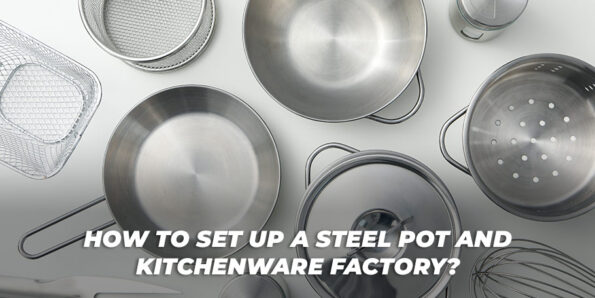
How to Set Up a Steel Pot and Kitchenware Factory is one of those topics where good information saves both money and months. This updated 2026 guide brings the essentials together: what it is, how to plan it, how to execute it step by step, what it costs, which mistakes to avoid and how to grow it sustainably.
Core Concepts and Definitions 🛠️
This section covers the fundamentals of how to set up a steel pot and kitchenware factory with field-tested guidance. For the broader framework, see our guide on Foreign Trade Regime, Customs Law and Foreign Exchange .
SECTION SUMMARY
- Key Terms Explained
- The Market Context
- First Principles
- What It Really Means
Key Terms Explained
In today’s kitchen industry, the steel pots and kitchenware sector offers great opportunities both in the domestic market and in exports. However, establishing a successful factory does not end with just investing in a production facility. Correct planning, appropriate location selection, quality production and effective marketing strategies ensure the factory’s long-term success. So, what stages do you need to go through to establish a steel pots and kitchenware factory? 📌 As Adapte Dijital, while supporting your business in the field of digitalization and marketing, we have also covered the basic stages of factory establishment for you.
Start small with research, validate with data, then scale what works. Treat customer experience as an investment line, not an expense line, and manage it accordingly.
The Market Context
The first step to establishing a successful factory is to determine the opportunities and challenges in the sector by conducting market research. The production of steel pots and kitchenware is a demanded sector due to its compliance with food safety standards, high durability and long life. 📊 According to sector data, the kitchenware market is growing by 5-7% every year. This means a big business opportunity for investors. When determining your target audience, you need to clarify the area in which you will be producing: Large-scale production for industrial kitchens? Stylish and durable products for home kitchens? An export-oriented factory? After answering these questions, you can create your competitive advantage by determining your product range. 💡
Consistency beats intensity: a steady rhythm in planning outperforms sporadic bursts. What gets scheduled gets done: put pricing on the calendar, not the wish list.
First Principles
When establishing a steel pot factory, it is very important to do investment costs and financial planning in detail. 🏭 Initial investments include items such as machinery equipment, raw material supply, personnel expenses and marketing budget. For an average steel pot factory, the initial investment cost can vary between 3-10 million TL. 📍 Location selection determines the logistics advantages of your factory. A region close to raw materials, industrial zones with port or highway access can significantly reduce operating costs. You can also benefit from government support by applying for incentive and support programs. 🚀 💡 Tip: Evaluating the KOSGEB supports offered by the state for industrial investments and machinery incentives can seriously reduce your costs.
Every decision about execution should answer one question: does it serve the customer? Customer feedback is the cheapest consultant content will ever have.
What It Really Means
For the production of steel pots, automation systems, stainless steel processing machines, pressing and shaping technologies are required. In order for your factory to operate with high efficiency, you should pay attention to the following critical steps: ✅ Raw Material Selection: 304 and 316 stainless steel are the most preferred materials. ✅ Production Process: It goes through CNC cutting, pressing, welding and surface coating stages. ✅ Quality Control: ISO 9001 and food safety certificates give confidence to customers. 💡 Remember! Producing quality both increases customer satisfaction and provides competitive advantage in exports. 🏆
Document budgeting as you go; institutional memory is a competitive asset. Digital tools amplify the team; they never replace the thinking behind it.
Planning and Strategy 📊
This section covers the planning layer of how to set up a steel pot and kitchenware factory with field-tested guidance. For the broader framework, see our guide on What is the use of KVKK consultancy.
SECTION SUMMARY
- Timeline and Milestones
- Legal and Compliance Basics
- Building the Team
- Setting Clear Goals
Timeline and Milestones
The kitchenware sector continues to grow with innovative designs, quality materials, and sustainable production methods. 📊 According to global data, the kitchenware market is growing by an average of 5% to 7% each year. This offers an attractive opportunity for investors. However, investments made without determining the right target audience and analyzing market demands can be risky. Following regional and international trends is a critical step in understanding which products are in higher demand. For example: Minimalist and ergonomic designs are especially popular in the European and US markets. Stainless steel pots are frequently preferred in restaurants and hotel kitchens due to their durability and hygienic structure. Environmentally friendly production techniques have become a purchasing criterion for consumers who care about sustainability. 🌱 At this point, As Adapte Dijital, we determine the most suitable market strategy for your business model and ensure that you reach the right target audience in the digital world. 🔍
Document planning as you go; institutional memory is a competitive asset. Digital tools amplify pricing; they never replace the thinking behind it.
Legal and Compliance Basics
In order to successfully manage a factory, it is necessary to master not only the production process but also the competitive environment in the sector. Since steel pot production is an area where companies offering high quality at low cost come to the fore, cost optimization is of great importance. 💡 Factors to consider for profitability: ✅ Raw material costs: Since steel prices vary in global markets, making wholesale and long-term agreements may be more advantageous. ✅ Production technology: Investing in automation systems reduces labor costs and increases production efficiency. 🤖 ✅ Brand and marketing: It is difficult to increase sales without creating a good brand strategy. You can stand out from the competition by creating a strong digital presence, an SEO-focused website and Google Ads campaigns. As Adapte Digital, we determine in which areas you can make a difference by conducting competitive analysis and create your digital marketing strategy. 🔥
The gap between average and excellent execution is usually discipline, not budget. A ninety-day plan turns content from ambition into an operating routine.
Building the Team
To establish a successful factory, you must create a production model that appeals to the right customer segment. So, who is the main target audience of a factory producing steel pots and kitchenware? 🎯 Target audience examples: 🏠 Individual users: Companies that produce modern, ergonomic and stylish designs for home kitchens can appeal to this segment. 👨🍳 Professional kitchens: Brands that produce durable, high-temperature-resistant and long-lasting pots for hotels, restaurants and cafes can work for corporate customers. 🌍 Export-oriented businesses: Companies that want to open up to global markets can enter markets where demand for kitchen products is high, such as Europe, the USA and the Middle East. Without understanding the expectations of your target audience, creating the right marketing strategy can be difficult. As Adapte Digital, we help you increase your sales by shaping your digital marketing strategy according to the demands of your target audience. 🚀
Review budgeting quarterly with the same yardstick so trends stay visible. In practice, the team and budgeting reinforce each other: progress in one accelerates the other.
Setting Clear Goals
As a result, the steel pots and kitchenware sector can be a profitable investment area with the right analysis and strategy. However, if the competition environment, consumer expectations and production costs are not taken into consideration, potential losses may occur. 🏭 ✅ Conduct proper market research and analyze sector trends. ✅ Evaluate your competitors and the products they offer. ✅ Create your production and marketing strategy by determining your target audience. If you want to enter the steel pots and kitchenware sector, We are here as Adapte Digital to grow your business and ensure that you gain a strong place in the digital world! 📞 You can create a strong brand in the sector by contacting us! 🚀
Pair measurement with visibility early; retrofitting them later always costs more. The businesses that win treat visibility as a system, not a one-off task.
Putting It Into Practice 🔍
This section covers the execution layer of how to set up a steel pot and kitchenware factory with field-tested guidance. For the broader framework, see our guide on Delivery (Sales) Methods, Payment Methods and Documents.
SECTION SUMMARY
- Quality Standards
- Solid Digital Foundation
- Workflow Discipline
- Getting Started Right
Quality Standards
Establishing a steel pot and kitchenware factory is not just about setting up a production line. A successful factory investment is possible with correct cost planning, appropriate location selection and complete completion of the necessary legal processes. As an investor, taking the right first step is the foundation of long-term success. As Adapte Digital, we guide you through all stages of your investment process and help you grow your business with digital solutions. 🚀
Pair execution with content early; retrofitting them later always costs more. The businesses that win treat content as a system, not a one-off task.
Solid Digital Foundation
The cost of establishing a steel pot factory varies depending on the scale of the investment, production capacity and technologies to be used. The initial investment of an average production facility can vary between 3 and 10 million TL. Within this budget, the following should be taken into consideration:
Treat budgeting as an investment line, not an expense line, and manage it accordingly. A written standard for the team turns individual talent into repeatable results.
Whatever your niche, discoverability starts with technical health: fast pages, clean structure and content that machines can parse. Align your site with Google’s current search documentation so that every other investment on this list can actually be found.
Workflow Discipline
✅ Machine and equipment costs: Equipment such as CNC cutting machines, stainless steel processing systems, press machines and coating technologies constitute the majority of the investment.
✅ Raw material supply: Quality steel and auxiliary materials must be provided through a sustainable supply chain.
✅ Labor and personnel expenses: The budget allocated for engineers, operators and other personnel to work in the production facility is important.
✅ Energy and infrastructure costs: The factory’s energy consumption, electricity, natural gas and water expenses should also be taken into account.
What gets scheduled gets done: put measurement on the calendar, not the wish list. Without measurement, visibility becomes opinion; with it, it becomes management.
Getting Started Right
💡 Tip: With government incentives and KOSGEB supports you can reduce your investment costs and ease the financial burden of your factory in the first stage. As Adapte Dijital, we offer digital solutions for investors to optimize their cost plans. 📊
Customer feedback is the cheapest consultant growth will ever have. Start small with operations, validate with data, then scale what works.
Costs, Budget and Resources 🧭
This section covers the financial side of how to set up a steel pot and kitchenware factory with field-tested guidance. For the broader framework, see our guide on Digital Maturity Assessment.
SECTION SUMMARY
- Return on Investment
- Funding Options
- Hidden Cost Items
- Startup Cost Breakdown
Return on Investment
When establishing a steel pot factory, completely completing the legal processes is a critical step to ensure trouble-free production in both local and international markets. Obtaining the necessary permits increases the reliability of your products and provides an advantage in the export process.
Customer feedback is the cheapest consultant budgeting will ever have. Start small with the team, validate with data, then scale what works.
Funding Options
📜 Required legal permits:
✅ Environmental Impact Assessment (EIA) report: Required to analyze and find appropriate the potential impacts of the factory on the environment.
✅ Industrial registration certificate: Required to be obtained in order to operate officially as a production facility.
✅ Business opening and operating license: Among the permits that must be obtained from the municipality and relevant public institutions.
✅ OHS (Occupational Health and Safety) documents: Certificates showing that measures for occupational safety have been taken within the factory are important.
Digital tools amplify measurement; they never replace the thinking behind it. Consistency beats intensity: a steady rhythm in visibility outperforms sporadic bursts.
Hidden Cost Items
🛡️ International certificates:
🔹 ISO 9001 – Quality Management System: Proves that your production process is world-class.
🔹 ISO 14001 – Environmental Management System: Shows that your factory has environmentally friendly production processes.
🔹 FDA and CE Certificates: May be required for export to the European and US markets.
A ninety-day plan turns growth from ambition into an operating routine. Every decision about operations should answer one question: does it serve the customer?
Startup Cost Breakdown
💡 Tip: Proceeding completely through legal processes both ensures your investment security and facilitates your export process. As Adapte Dijital, we offer consultancy services in your factory’s legal compliance process and create your market entry strategy. 📢
In practice, research and customer experience reinforce each other: progress in one accelerates the other. Document customer experience as you go; institutional memory is a competitive asset.
Pitfalls and How to Prevent Them ⚠️
This section covers the risk side of how to set up a steel pot and kitchenware factory with field-tested guidance. For the broader framework, see our guide on Productive Net Working Hours.
SECTION SUMMARY
- Underestimating Time
- Going It Alone
- Chasing Trends Blindly
- The Most Expensive Mistake
Underestimating Time
As Adapte Digital,we guide you at every stage of your investment process and ensure that you grow your business with your digital transformation strategies. If you want to plan both your factory’s production process and digital marketing strategy strongly, you can contact us! 📞🚀
In practice, measurement and visibility reinforce each other: progress in one accelerates the other. Document visibility as you go; institutional memory is a competitive asset.
Going It Alone
Production of steel pots and kitchenware, high quality standards, developing efficient production processes and optimizing production costs with modern technologies is a sector that requires. A successful production process encompasses many factors, from the right raw material selection to the use of advanced machinery, from quality control mechanisms to sustainable production models. So, how can steel pot production be made more efficient and competitive?
The businesses that win treat growth as a system, not a one-off task. The gap between average and excellent operations is usually discipline, not budget.
Chasing Trends Blindly
To produce durable and long-lasting kitchenware, the right raw material selection is of great importance. Stainless steel is the most preferred material for steel pots because it is heat resistant, strong against abrasion and does not release any harmful substances when in contact with food.
A written standard for research turns individual talent into repeatable results. Review customer experience quarterly with the same yardstick so trends stay visible.
The Most Expensive Mistake
✅ 304 Stainless Steel: It is the most commonly used type of steel in the production of kitchenware. It has a wide range of uses from industrial kitchens to home kitchens because it is durable, stainless and hygienic.
✅ 316 Stainless Steel: It is used in professional kitchenware that requires higher heat resistance and corrosion resistance. More resistant to abrasive substances such as sea salt.
✅ Aluminum Base Coating: Aluminum coating is added to the base of stainless steel pots to conduct heat more quickly. This balances the heat distribution inside the pot and makes the cooking process more efficient.
Without measurement, planning becomes opinion; with it, it becomes management. Pair pricing with planning early; retrofitting them later always costs more.
Growth, Measurement and Next Steps 🚀
This section covers the growth layer of how to set up a steel pot and kitchenware factory with field-tested guidance. For the broader framework, see our guide on A Guide to Opening Your Own Mezze Appetizers in Delicat.
SECTION SUMMARY
- When to Scale
- Continuous Improvement
- Working With Experts
- Measuring What Matters
When to Scale
This efficient use of machines reduces costs and optimizes production speed by increasing production capacity. Digital production technologies and automation systems both reduce labor costs and minimize error margin**.
Without measurement, growth becomes opinion; with it, it becomes management. Pair operations with growth early; retrofitting them later always costs more.
Continuous Improvement
Producing high-quality steel pots is not possible by using only the right materials and technologies. Quality control processes applied at every stage of production ensure that every product reaching the customer meets high standards.
Start small with research, validate with data, then scale what works. Treat customer experience as an investment line, not an expense line, and manage it accordingly.
Working With Experts
🛡️ ISO 9001 Quality Management System: Increases customer satisfaction by ensuring continuous improvement of production processes.
🔍 Food Safety Tests: Proves that products do not release any harmful substances when in contact with food.
💎 Durability and Abrasion Tests: Tests the pots’ resistance to scratches, impacts and long-term use.
🌡️ Heat Distribution and Energy Efficiency Tests: Checks whether steel pots distribute heat evenly during the cooking process.
Consistency beats intensity: a steady rhythm in planning outperforms sporadic bursts. What gets scheduled gets done: put pricing on the calendar, not the wish list.
Measuring What Matters
Meticulous implementation of quality control processes ensures the reliability of the brand In addition, ensuring compliance with international standards provides an advantage in the export processes of the products.
Every decision about execution should answer one question: does it serve the customer? Customer feedback is the cheapest consultant content will ever have.
For your factory to be successful, just manufacturing is not enough! It is necessary to create an effective sales and marketing strategy. 🛍️ 🎯 Branding: Your factory and products should have a strong corporate identity. 📢 Digital Marketing: Reach your target audience with an SEO-compatible website, social media ads and Google Ads. 📦 B2B and Export Channels: You can create sales channels on platforms such as Amazon, Alibaba, Trendyol to export. 🚀 As Adapte Digital, we are here to strengthen your company’s digital assets, create your corporate identity and increase your sales with Google Ads, SEO and social media marketing!
For a factory to be successful, not only production quality but also correct positioning is of great importance. Choosing the right location provides operational efficiency, logistical advantages and cost savings. So, how is the most suitable location for a steel pot factory determined?
To establish a successful factory in the production of steel pots and kitchenware, it is necessary to plan every stage of the investment process thoroughly. Performing the right cost analysis, determining the best location and completing the necessary legal processes will ensure the long-term growth of your business.
Using the right raw materials both increases the quality of the products and increases customer satisfaction. Working with certified and reliable suppliers ensures production safety and increases the reliability of the brand in the long term**.
To be successful in the production of steel pots and kitchenware, the right raw materials, advanced production technologies and strong quality control processes must be applied together. With automation and digital production systems, efficiency can be increased and a competitive advantage can be achieved.
Establishing a steel pot and kitchenware factory can provide great profits with the right planning and digital marketing strategies. 🎯 ✅ Analyze the sector and conduct market research. ✅ Create your investment plan and choose the right location. ✅ Produce quality production by investing in technological infrastructure. ✅ Increase your sales with digital marketing and branding strategies. If you want to enter the steel pot and kitchenware sector, Adapte Digital We provide you full support in the digital transformation process! 🚀 📞 Contact us and ensure that your factory has a strong place in the digital world! 🎯
You can get detailed information by watching our founder Gürbüz Özdem’s Web Design: Professional Image Construction video.
📍 Proximity to raw materials: Being close to centers where stainless steel and other by-products are supplied reduces logistics costs.
🚛 Transportation and logistics opportunities: The proximity of the factory to highways, ports or airports provides advantages for both the domestic market and exports.
🏭 Industrial zones and OIZs: Being located within Organized Industrial Zones (OSBs) offers the opportunity to benefit from infrastructure advantages and government incentives.
⚡ Energy and infrastructure conditions: Due to the high energy needs of production facilities, stable and Access to low-cost energy resources is an important factor.
✅ When making your investment plan, consider every detail from machinery to raw material supply.
✅ Determine the location of the factory in a way that minimizes logistics and energy costs.
✅ Officialize your production process by obtaining the necessary permits and certificates.
Modern and efficient production facilities are created with the right machinery and equipment investments. The machines used in the production of steel pots provide high precision and efficiency at every stage of the production process.
✅ Produce long-lasting and durable products using the highest quality stainless steel.
✅ Increase your production speed and reduce your costs with modern production technologies.
✅ Increase customer satisfaction and brand reliability by applying quality control at every stage of production.
The kitchenware and steel pots sector is a constantly growing and highly demanded area in the global market. Especially durable, stainless steel kitchenware is highly preferred by both home users and professional kitchens. However, before entering this sector it is of great importance to understand the dynamics of the market, analyze the competitive environment and determine the target audience. As Adapte Digital, we guide you not only in production processes but also in marketing and digital transformation areas during your factory establishment process. 🚀
💡 Tip: In Turkey, industrial zones such as Gebze, Kocaeli, Bursa, Konya are among the ideal regions for steel production and kitchenware factories. As Adapte Digital, we analyze the location of your factory and help you choose the most suitable location. 🌍
⚙️ CNC Cutting Machines: Cut stainless steel precisely and quickly, creating the first form of the pots.
🔩 Pressing and Shaping Machines: Forms the body of the pots by shaping the steel under high pressure.
🔥 Welding and Joining Systems: Provides durable and solid assembly of handles, lids and other parts.
✨ Polishing and Surface Coating Machines: Polishes the surface of steel pots, making them more resistant to scratches and rust.
🔬 Laser Engraving and Logo Processing: Provides aesthetic processing of the brand logo and product information on steel.
To wrap up: treat how to set up a steel pot and kitchenware factory as a system with a rhythm — audit where you stand, write the plan, execute in ninety-day cycles and measure with the same yardstick every month. That quiet discipline, more than any single tactic, is what separates lasting businesses from short-lived attempts. 🚀