
Starting Defense Industry Production: Factory Establishment Stages
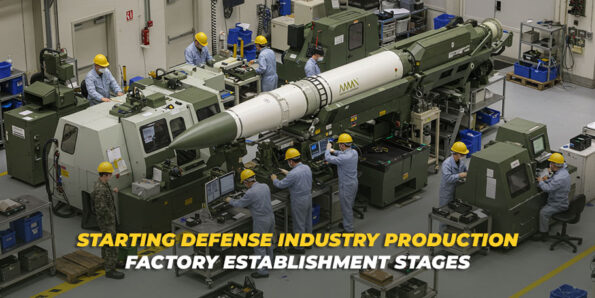
Starting Defense Industry Production is one of those topics where good information saves both money and months. This updated 2026 guide brings the essentials together: what it is, how to plan it, how to execute it step by step, what it costs, which mistakes to avoid and how to grow it sustainably.
Understanding Starting Defense Industry Production: The Fundamentals 🛠️
This section covers the fundamentals of starting defense industry production with field-tested guidance. For the broader framework, see our guide on How is digitization done.
SECTION SUMMARY
- Who Should Consider It
- Key Terms Explained
- The Market Context
- First Principles
Who Should Consider It
The defense industry sector is of strategic importance in terms of both national security and economic development. Establishing a production facility in this area offers a great opportunity for entrepreneurs who want to produce using advanced technology. However, the establishment of such a factory involves many detailed processes. Proper planning and a professional approach are essential for a successful result. Here is what you need to know on the journey of establishing a defense industry factory. 🚀
In practice, research and customer experience reinforce each other: progress in one accelerates the other. Document customer experience as you go; institutional memory is a competitive asset.
Key Terms Explained
First of all, the selection of the location where the factory will be established is a critical step. Industrial zones, regions where you can benefit from government incentives and where infrastructure opportunities are developed are ideal areas for such investments. In the selection of the location, not only the infrastructure but also the logistics access and market potential should be taken into consideration. Choosing the right location both reduces production costs and simplifies business processes.
The businesses that win treat planning as a system, not a one-off task. The gap between average and excellent pricing is usually discipline, not budget.
The Market Context
Determining the infrastructure and equipment required for factory installation is another important stage of the process. Defense industry factories usually have high-tech machines, robotic production systems and precision assembly lines. Quality standards are of great importance in the supply of this equipment. Incorrect or inadequate equipment selection can lead to serious problems in the production process. In addition, solutions that meet energy efficiency and sustainability criteria should be preferred. 🌿
A written standard for execution turns individual talent into repeatable results. Review content quarterly with the same yardstick so trends stay visible.
First Principles
Being familiar with legal regulations and permit processes is also a critical requirement when establishing a defense industry factory. In order to operate in this field, the necessary licenses, security certificates and legal approvals must be obtained. Since state inspections are strict, especially in strategic sectors such as the defense industry, it would be useful to manage this process with an expert consultant. In addition, you can provide additional financial resources for the project by researching incentive and support programs.
Without measurement, budgeting becomes opinion; with it, it becomes management. Pair the team with budgeting early; retrofitting them later always costs more.
Building Your Roadmap 📊
This section covers the planning layer of starting defense industry production with field-tested guidance. For the broader framework, see our guide on What are the features of digitization.
SECTION SUMMARY
- Choosing the Right Model
- Timeline and Milestones
- Legal and Compliance Basics
- Building the Team
Choosing the Right Model
Establishing a defense industry factory is a job that requires detailed preparation and determination. However, you can achieve long-term success in this sector by following the right steps. You can take action now to increase your production capacity, pioneer technological innovations, and contribute to the national economy! ✨
Without measurement, planning becomes opinion; with it, it becomes management. Pair pricing with planning early; retrofitting them later always costs more.
Timeline and Milestones
Establishing a defense industry factory is a very strategic and profitable step for an entrepreneur or investor. However, this process requires not only financial resources, but also detailed planning, the right steps and a strong vision. As a Digital Consultant of a Digital Consulting Agency, I will tell you about the most critical stages of this journey. 🛠️
Start small with execution, validate with data, then scale what works. Treat content as an investment line, not an expense line, and manage it accordingly.
Legal and Compliance Basics
The process of establishing a defense industry factory begins with determining the right goals. First, it should be clarified which products will be produced and how they will meet the needs of the market. By creating a strategic business plan, you can optimize both production capacity and costs.
Consistency beats intensity: a steady rhythm in budgeting outperforms sporadic bursts. What gets scheduled gets done: put the team on the calendar, not the wish list.
Building the Team
In the first steps, many important decisions should be made, from location selection to facility infrastructure. Choosing the right location allows the factory to benefit from advantages such as logistics, raw material supply and market access. In addition, operating in an industrial zone where you can benefit from incentive and support programs can offer great advantages in the long run. 🌍
Every decision about measurement should answer one question: does it serve the customer? Customer feedback is the cheapest consultant visibility will ever have.
Step-by-Step Implementation 🔍
This section covers the execution layer of starting defense industry production with field-tested guidance. For the broader framework, see our guide on What benefits does digital consulting bring to industri.
SECTION SUMMARY
- Daily Operations
- Quality Standards
- Solid Digital Foundation
- Workflow Discipline
Daily Operations
It is very important to get professional support when managing legal processes. You can reduce your costs and increase the profitability of your factory by evaluating opportunities such as government incentives, industrial support and international financing sources.
Every decision about execution should answer one question: does it serve the customer? Customer feedback is the cheapest consultant content will ever have.
Quality Standards
Today, digitalization plays a major role in the success of defense industry factories. You can increase operational efficiency and make production lines smarter by integrating digital solutions. For example:
Document budgeting as you go; institutional memory is a competitive asset. Digital tools amplify the team; they never replace the thinking behind it.
Solid Digital Foundation
- Optimize production processes with data analytics,
- Provide facility monitoring and control with IoT-based devices,
- Strengthen supply chain management with cloud-based systems.
The gap between average and excellent measurement is usually discipline, not budget. A ninety-day plan turns visibility from ambition into an operating routine.
Whatever your niche, discoverability starts with technical health: fast pages, clean structure and content that machines can parse. Align your site with Google’s current search documentation so that every other investment on this list can actually be found.
Workflow Discipline
These steps will help your factory reduce costs and become more competitive in the industry. In addition, digital infrastructures make it easier for your business to achieve long-term sustainability goals. 🌱
Review growth quarterly with the same yardstick so trends stay visible. In practice, operations and growth reinforce each other: progress in one accelerates the other.
Investment and Resource Planning 🧭
This section covers the financial side of starting defense industry production with field-tested guidance. For the broader framework, see our guide on The effect of digitalization on sector-to-sector transf.
SECTION SUMMARY
- Pricing Your Offer
- Return on Investment
- Funding Options
- Hidden Cost Items
Pricing Your Offer
Another important infrastructure requirement for defense industry factories is facility design that meets high security standards. This ensures the safety of your production processes while also ensuring that you comply with legal regulations. In addition, the layout of production lines should be designed to provide optimal workflow and time savings.
Review budgeting quarterly with the same yardstick so trends stay visible. In practice, the team and budgeting reinforce each other: progress in one accelerates the other.
Return on Investment
Equipment used in defense industry factories must meet the technological requirements of the sector. Therefore, automation systems, robotic technologies and precision production machines add value to your facility.
Pair measurement with visibility early; retrofitting them later always costs more. The businesses that win treat visibility as a system, not a one-off task.
Funding Options
Especially defense industry products have production processes that require high precision and quality. For this reason, CNC machines, assembly robots, and laser cutting devices are frequently preferred equipment. Investing in high-tech equipment increases the competitiveness of your factory and allows you to make a difference in international markets. ✨
Treat growth as an investment line, not an expense line, and manage it accordingly. A written standard for operations turns individual talent into repeatable results.
Hidden Cost Items
In addition, IoT-based production lines and data monitoring systems provide transparency and efficiency in your production processes. These systems allow you to digitally track every stage in the factory and make instant optimizations. With digitalization, you can increase quality while reducing costs.
What gets scheduled gets done: put research on the calendar, not the wish list. Without measurement, customer experience becomes opinion; with it, it becomes management.
Common Mistakes to Avoid ⚠️
This section covers the risk side of starting defense industry production with field-tested guidance. For the broader framework, see our guide on Digital Consulting Application.
SECTION SUMMARY
- Ignoring Measurement
- Underestimating Time
- Going It Alone
- Chasing Trends Blindly
Ignoring Measurement
Infrastructure and equipment selection in defense industry factory setup directly affects the success of your business. Integrating digitalization, optimizing costs and streamlining production processes will put you one step ahead in the industry.
What gets scheduled gets done: put measurement on the calendar, not the wish list. Without measurement, visibility becomes opinion; with it, it becomes management.
Underestimating Time
Remember, the right infrastructure and equipment investments will meet not only today’s but also the defense industry’s needs of the future. With a strong infrastructure, effective equipment and strategic planning, you can make your dream of establishing a defense industry factory come true! 🌟
Customer feedback is the cheapest consultant growth will ever have. Start small with operations, validate with data, then scale what works.
Going It Alone
Digital tools amplify research; they never replace the thinking behind it. Consistency beats intensity: a steady rhythm in customer experience outperforms sporadic bursts.
Chasing Trends Blindly
You can get detailed information by watching our founder Gürbüz Özdem’s video Digital Consulting and Digitalization . This video will guide you for more information about digital transformation processes, which are important stages of establishing a defense industry factory.
A ninety-day plan turns planning from ambition into an operating routine. Every decision about pricing should answer one question: does it serve the customer?
Scaling and Long-Term Success 🚀
This section covers the growth layer of starting defense industry production with field-tested guidance. For the broader framework, see our guide on What is a digitization agency and company.
SECTION SUMMARY
- Digital Visibility
- When to Scale
- Continuous Improvement
- Working With Experts
Digital Visibility
Since defense industry products generally require precision engineering, quality control mechanisms are also an integral part of operational processes. Products must be compliant with standards through quality control practices at every production stage. This not only increases customer satisfaction, but also offers a competitive advantage in international markets. 🌍
A ninety-day plan turns growth from ambition into an operating routine. Every decision about operations should answer one question: does it serve the customer?
When to Scale
The success of defense industry factories largely depends on the competence of human resources. The personnel working in this sector must have advanced engineering knowledge and sectoral experience. In particular, it is important for technicians and engineers who will work in production lines to be trained in defense technologies and innovative production techniques.
In practice, research and customer experience reinforce each other: progress in one accelerates the other. Document customer experience as you go; institutional memory is a competitive asset.
Continuous Improvement
Choosing the right human resources is as important as continuously developing them. Regular training programs and certification processes keep your personnel’s knowledge level up-to-date and increase their contribution to production processes. In addition, providing a work environment with high job satisfaction increases employee loyalty and benefits your business in the long term. 💡
The businesses that win treat planning as a system, not a one-off task. The gap between average and excellent pricing is usually discipline, not budget.
Working With Experts
Another critical point is leadership. The team leaders who will manage your factory’s operational processes should have both technical knowledge and communication skills. This increases collaboration within the team and ensures that processes are managed more efficiently.
A written standard for execution turns individual talent into repeatable results. Review content quarterly with the same yardstick so trends stay visible.
Human resources are also an important part of this journey. Personnel working in the defense industry are expected to have advanced engineering knowledge and sectoral experience. Establishing the right team directly affects the operational success of the factory. In addition, planning regular training programs for employees can increase quality in production processes.
Operating in the defense industry offers entrepreneurs not only high income potential but also strategic business opportunities. This sector is quite strong in terms of state support with its domestic and national production targets. In addition, the opportunity to open up to international markets can contribute to your factory being recognized on a global scale.
The process of establishing a defense industry factory is achieved with detailed planning, a strong vision and the right technological infrastructure. As a Digital Consultant, my goal is to inform you correctly and support you at every stage of this process. By optimizing every step you take for the future success of your factory, you can have a strong position not only in the sector but also in the international market. Remember, you can be one step ahead in the defense industry with the right strategy! 🌟
For your factory to operate efficiently, facility layout planning is of great importance. A good layout plan speeds up the flow between production lines and saves time. In addition, you should create a balanced distribution between raw material storage areas, production units, and logistics departments.
Effective management of operational processes in a defense industry factory setup plays a critical role in the success of your factory. Operational processes cover multiple disciplines such as production management, human resources, and supply chain. Here are the details and tips for these processes. 🛠️
The supply chain forms the basis of production processes in defense industry factories. Strong connections between raw material supply, production process and delivery of the final product ensure the continuity of your factory. As Adapte Digital, we recommend optimizing your supply chain processes with digital platforms.
R&D investments play a vital role in the process of establishing a defense industry factory. In order to be competitive in this sector, it is necessary to develop innovative products and optimize production processes. The production of high-tech products such as UAVs, SIHAs, and ballistic protection equipment will add value to the factory. 💡
As a digital consultant, my suggestion to you is for your factory to stand out with innovative and sustainable solutions. Producing products based on high technology allows you to make a difference in the market. Especially producing in areas such as ballistic protection and unmanned aerial vehicles (UAV and SIHA) can be an important step towards leadership in the sector. 🚀
Infrastructure and equipment requirements are the cornerstones of success in the process of establishing a defense industry factory. efficiency, advanced technology and durability are the priority elements in this sector. Proper infrastructure planning and selection of the most appropriate equipment are critical to ensuring the long-term success of the factory. 🚀
Cost optimization is also a critical part of the planning process. Defense industry factories generally require high initial investments. Therefore, you can negotiate with your equipment suppliers or evaluate leasing options to use your financial resources in the most efficient way.
Production management in a defense industry factory requires effective organization of processes. As a first step, efficient design and planning of production lines is important. Automation systems and smart production technologies both increase production speed and reduce error rates.
For example, thanks to IoT-based monitoring systems, you can track your supply processes in real time and detect disruptions immediately. In addition, optimizing your logistics processes both reduces costs and speeds up delivery times.
Finally, you should create a strategic plan to position your factory in local and international markets. It is important to decide in advance which markets you will offer your products to and how you will price them. In addition, you can make a difference in the sector by integrating digitalization and smart production systems.
It is mandatory to meet the legal requirements to operate in a sensitive and strategic sector such as the defense industry. First of all, licenses and safety certificates must be obtained for the area in which you will be manufacturing. In addition, compliance of your factory’s production processes with international standards ensures reliability in both the domestic and foreign markets.
In a defense industry factory, it is imperative to have a strong infrastructure that supports production capacity. As a first step, you should determine the facility’s energy needs and logistics requirements. Turning to sustainable energy sources for production lines that require high energy consumption provides both environmental and economic advantages.
In addition, you can reduce your costs by taking advantage of government incentives. Especially in the defense industry sector, funds and support programs that encourage domestic production can accelerate the payback period of your investment.
When creating a production plan, all processes from raw material supply times to final product delivery should be ensured to work in an integrated structure. In addition, monitoring production processes in a digital environment offers advantages such as instant data analytics and process optimization.
Since defense industry products are generally aimed at international customers, export processes must also be integrated into supply chain management. In this process, many factors, from customs procedures to logistics network management, must be ensured to work in harmony. 🌟
To wrap up: treat starting defense industry production as a system with a rhythm — audit where you stand, write the plan, execute in ninety-day cycles and measure with the same yardstick every month. That quiet discipline, more than any single tactic, is what separates lasting businesses from short-lived attempts. 🚀