
What You Need to Know to Open a Pop-up Store
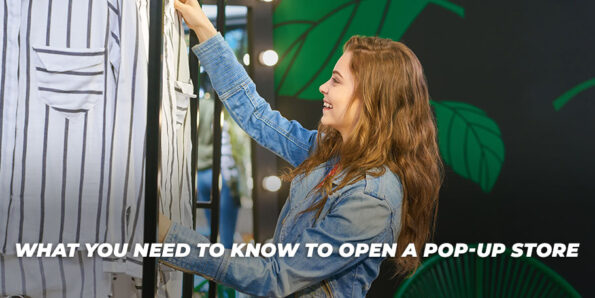
What You Need to Know to Open a Pop-up Store is one of those topics where good information saves both money and months. This updated 2026 guide brings the essentials together: what it is, how to plan it, how to execute it step by step, what it costs, which mistakes to avoid and how to grow it sustainably.
Core Concepts and Definitions 🛠️
This section covers the fundamentals of what you need to know to open a pop-up store with field-tested guidance. For the broader framework, see our guide on E-Book for Digital Consulting.
SECTION SUMMARY
- Why It Matters in 2026
- Who Should Consider It
- Key Terms Explained
- The Market Context
Why It Matters in 2026
Opening a pop-up store is a rapidly growing retail model where brands open their stores to promote and sell their products in a specific location for a temporary period of time. Pop-up stores, which offer a short-term physical store experience, are usually set up in areas with high foot traffic or event areas. This store model allows brands to interact directly with customers, launch innovative products, and get closer to their target audience, while also offering cost advantages. Pop-up stores are especially popular for seasonal products, in sectors such as cosmetics, fashion, food and beverage, and technology. One of the biggest advantages of a pop-up store is that it allows customers to reach out not only online but also physically; thus, increasing brand awareness and establishing a more intimate connection with the target audience. In this context, opening a pop-up store stands out as a low-cost, creative marketing tool for brands.
What gets scheduled gets done: put research on the calendar, not the wish list. Without measurement, customer experience becomes opinion; with it, it becomes management.
Who Should Consider It
One of the most important steps for those planning to open a pop-up store is to analyze the locations where the target audience is concentrated and position the store in these areas. Choosing the right location in this process plays a major role in the success of the store. Analyzing the shopping habits of the target audience, ensuring that the products are displayed in a way that suits the in-store experience and creating an effective design are also elements that support success. In addition, the opening and closing dates of the pop-up store should be determined in advance, creating a sense of urgency in customers. Due to the nature of this temporary structure, pop-up stores should attract attention with creative designs and attractive decorations to offer an impressive experience in a limited time period. This way, potential customers are encouraged to visit the store and an effective bond is established with the brand.
Customer feedback is the cheapest consultant planning will ever have. Start small with pricing, validate with data, then scale what works.
Key Terms Explained
Opening a pop-up store has become a strategic marketing choice for more and more brands. Pop-up stores integrated with digital marketing can increase the promotion of the store by reaching a wide audience on social media. These temporary stores have the potential to attract more visitors when supported by events or promotions promoted on social media. The success of pop-up stores is directly related to the right location selection for the target audience, eye-catching design, effective stock management and creative marketing strategies.
Digital tools amplify execution; they never replace the thinking behind it. Consistency beats intensity: a steady rhythm in content outperforms sporadic bursts.
The Market Context
Pop-up stores are temporary stores that brands establish in a specific location for a certain period of time to promote and sell their products. This store concept is seen as an effective strategy, especially for a quick promotion or a certain event period. Pop-up stores are usually opened in high-traffic areas or event areas and offer the opportunity to reach the target audience directly. Today, brands aim to meet new customers and build a stronger bond with their existing customers by increasing the customer experience through pop-up stores. 🎯
A ninety-day plan turns budgeting from ambition into an operating routine. Every decision about the team should answer one question: does it serve the customer?
Planning and Strategy 📊
This section covers the planning layer of what you need to know to open a pop-up store with field-tested guidance. For the broader framework, see our guide on Digital Transformation Solutions and Project Planning.
SECTION SUMMARY
- Research Before You Start
- Choosing the Right Model
- Timeline and Milestones
- Legal and Compliance Basics
Research Before You Start
Pop-up stores first emerged in the 1990s in the US and UK as temporary stores set up by fast-moving consumer brands to showcase their seasonal products. Fashion and food well-known brands tried to offer customers different experiences and attract attention with this new store concept. Pop-up stores, which especially rose during periods such as Halloween and Christmas, have become popular in different sectors over time. 🎃🎄
A ninety-day plan turns planning from ambition into an operating routine. Every decision about pricing should answer one question: does it serve the customer?
Choosing the Right Model
In the early 2000s, with the spread of digital marketing, pop-up stores began to be used more for the purpose of increasing brand awareness. Brands reached large audiences by introducing pop-up stores in an integrated manner with social media. This contributed to the rise of pop-up stores as an effective marketing tool in both the physical and digital worlds. 🚀
In practice, execution and content reinforce each other: progress in one accelerates the other. Document content as you go; institutional memory is a competitive asset.
Timeline and Milestones
Today, pop-up stores are seen not only for small businesses but also for global brands as a way to reach large customer bases in a short time and to try innovative products. World-renowned brands such as Nike, Google, Chanel are developing new product launches and experiential marketing strategies using pop-up stores. The historical development of pop-up stores has paved the way for brands to adopt marketing methods focused not only on sales but also interaction. 🌐
The businesses that win treat budgeting as a system, not a one-off task. The gap between average and excellent the team is usually discipline, not budget.
Legal and Compliance Basics
One of the biggest advantages of pop-up stores is that they offer a cost-effective marketing method. Compared to permanent stores, pop-up stores, which are rented for a short time, allow brands to reach large audiences at a low cost. In addition, pop-up stores provide flexibility, allowing brands to exhibit their products at different times of the year and in different locations. 🎯
A written standard for measurement turns individual talent into repeatable results. Review visibility quarterly with the same yardstick so trends stay visible.
Putting It Into Practice 🔍
This section covers the execution layer of what you need to know to open a pop-up store with field-tested guidance. For the broader framework, see our guide on What Does Digital Transformation Do.
SECTION SUMMARY
- Tools and Infrastructure
- Daily Operations
- Quality Standards
- Solid Digital Foundation
Tools and Infrastructure
Another disadvantage of pop-up stores is stock management and supply chain problems. Since it is necessary to work with limited stock in a short-term store, it may be difficult to meet customer demands. In addition, the limited duration of the store’s operation also limits the number of customers the brand can reach. For this reason, pop-up stores aim for high visitor traffic and short-term sales conversion; this requires extra planning and organization. 📦
A written standard for execution turns individual talent into repeatable results. Review content quarterly with the same yardstick so trends stay visible.
Daily Operations
Pop-up stores can also be ineffective if the right location is not selected. The wrong location can lead to low customer traffic and may not create the effect the brand expects. These stores require more promotion and marketing work than permanent stores. Finding suitable rental space, especially in busy city centers, can be challenging and can result in unexpected costs for the brand.
Without measurement, budgeting becomes opinion; with it, it becomes management. Pair the team with budgeting early; retrofitting them later always costs more.
Quality Standards
Pop-up store designs allow brands to interact with their target audience by offering creative solutions that prioritize customer experience. Pop-up stores stand out with their attractive showcases and interesting interior designs. The temporary structure of these stores allows brands to experiment with innovative designs and provide their target audience with a unique experience. Each pop-up store is designed with a theme that reflects the spirit of the product or service; thus, visitors are offered an impressive visual experience. 🎨✨
Start small with measurement, validate with data, then scale what works. Treat visibility as an investment line, not an expense line, and manage it accordingly.
Solid Digital Foundation
Elements such as the size of the space, product display areas and circulation paths should be meticulously planned in pop-up store design. Offering creative solutions even in small spaces increases the attractiveness of the store. Pop-up stores can also be enriched with interactive areas; for example, special corners where customers can take photos, experience areas and social media-friendly spaces will help visitors share the store more. 📸💫
Consistency beats intensity: a steady rhythm in growth outperforms sporadic bursts. What gets scheduled gets done: put operations on the calendar, not the wish list.
Whatever your niche, discoverability starts with technical health: fast pages, clean structure and content that machines can parse. Align your site with Google’s current search documentation so that every other investment on this list can actually be found.
Costs, Budget and Resources 🧭
This section covers the financial side of what you need to know to open a pop-up store with field-tested guidance. For the broader framework, see our guide on What is the Scope of Digital Transformation.
SECTION SUMMARY
- Ongoing Expenses
- Pricing Your Offer
- Return on Investment
- Funding Options
Ongoing Expenses
Creative pop-up store designs allow brands to push the boundaries in how they express themselves. For example, Nike attracted attention by offering a workshop area where visitors could design their own shoes at a pop-up store it opened in Los Angeles in 2019. This allowed visitors to come to the store not just to shop, but to experience. 🎨👟
Consistency beats intensity: a steady rhythm in budgeting outperforms sporadic bursts. What gets scheduled gets done: put the team on the calendar, not the wish list.
Pricing Your Offer
Another striking pop-up store example is the store created by IKEA with the miniature house concept. This design attracted the attention of visitors by showing that an effective living space could be created even in small spaces. This IKEA pop-up store offered customers practical decoration ideas that they could apply in their own homes. 🏡✨
Every decision about measurement should answer one question: does it serve the customer? Customer feedback is the cheapest consultant visibility will ever have.
Return on Investment
In addition, Starbucks offers coffee lovers an interactive experience by offering coffee making workshops in special pop-up stores. Such creative designs allow customers to not only shop but also establish a strong bond with the brand. Creative pop-up store examples allow brands to offer much more than an ordinary store experience.
Document growth as you go; institutional memory is a competitive asset. Digital tools amplify operations; they never replace the thinking behind it.
Funding Options
Pop-up store decorations play an important role in enhancing customer experience. Pop-up stores offer customers a unique and different environment thanks to their temporary structures, making the shopping experience unforgettable. Colors, textures, and lighting are prominent elements in pop-up store decorations. 🌈💡
The gap between average and excellent research is usually discipline, not budget. A ninety-day plan turns customer experience from ambition into an operating routine.
Pitfalls and How to Prevent Them ⚠️
This section covers the risk side of what you need to know to open a pop-up store with field-tested guidance. For the broader framework, see our guide on What Does Digital Transformation Do.
SECTION SUMMARY
- Skipping the Research Phase
- Ignoring Measurement
- Underestimating Time
- Going It Alone
Skipping the Research Phase
Opening a pop-up store in areas such as displaying trendy products in the fashion and accessories sector, offering new flavors in the food sector, and introducing innovative products in the technology sector is an effective method for attracting customer attention and making the brand stand out. Pop-up stores improve the customer experience by reaching the target audience directly and accelerate the purchasing decision. Offering a short-term and impressive store concept, this model allows brands to reach a wide audience by avoiding permanent store costs. 📈💼
The gap between average and excellent measurement is usually discipline, not budget. A ninety-day plan turns visibility from ambition into an operating routine.
Ignoring Measurement
The fashion and accessories sector is one of the most successful application areas of pop-up retailing. In this sector, opening a pop-up store is an ideal way to introduce limited edition collections or offer seasonal products to customers. Especially in the fashion sector, pop-up stores can quickly attract customers’ attention with innovative designs and eye-catching window displays. 👗👜
Review growth quarterly with the same yardstick so trends stay visible. In practice, operations and growth reinforce each other: progress in one accelerates the other.
Underestimating Time
Pop-up stores opened in the fashion and accessories sector not only display products, but also offer customers a special shopping experience. Creating product trial areas in the store allows customers to experience the products one-on-one. In addition, offering limited-time discounts or special campaigns in pop-up stores increases customers’ motivation to purchase. Fashion pop-up stores strengthen brand loyalty by establishing direct contact with the target audience of brands. 📸✨
Pair research with customer experience early; retrofitting them later always costs more. The businesses that win treat customer experience as a system, not a one-off task.
Going It Alone
The food and beverage sector is one of the most attractive sectors for opening a pop-up store. Pop-up stores offer a great opportunity, especially for food brands that want to introduce new flavors, showcase seasonal products, or attract attention at special events. These stores give customers the chance to try new flavors and increase brand awareness. 🍦☕
Treat planning as an investment line, not an expense line, and manage it accordingly. A written standard for pricing turns individual talent into repeatable results.
Growth, Measurement and Next Steps 🚀
This section covers the growth layer of what you need to know to open a pop-up store with field-tested guidance. For the broader framework, see our guide on Digital Transformation Consultancy Company And Agency.
SECTION SUMMARY
- Building Repeat Business
- Digital Visibility
- When to Scale
- Continuous Improvement
Building Repeat Business
Opening a cosmetic pop-up store is usually equipped with aesthetic and eye-catching window designs, minimalist decoration and social media-friendly corners. When customers visit the store, they not only try the products, but also increase the visibility of the brand by sharing this experience on their social media accounts. Opening a pop-up store for cosmetic brands creates an opportunity to reach large audiences at a low cost. These stores create a sense of urgency in customers due to their temporary nature and accelerate the purchasing decision. Cosmetic pop-up stores offer a perfect opportunity for both product promotion and brand awareness. 🎯
Treat growth as an investment line, not an expense line, and manage it accordingly. A written standard for operations turns individual talent into repeatable results.
Digital Visibility
Opening a cosmetic pop-up store and its biggest purpose is to increase brand awareness and promote new products. These stores provide customers with the opportunity to experience the products directly, allowing them to learn more about the product. Cosmetic pop-up stores allow brands to receive quick feedback while also providing the opportunity to measure customer interest in the products. 🌟
What gets scheduled gets done: put research on the calendar, not the wish list. Without measurement, customer experience becomes opinion; with it, it becomes management.
When to Scale
Pop-up stores offer cosmetic brands a low-cost high interaction opportunity. Compared to permanent stores, opening a pop-up store is advantageous in terms of rent and operating costs since it is established for a temporary period. While customers have the opportunity to experience the products in pop-up stores, they increase the digital visibility of the store with social media posts. Pop-up stores, which are opened especially during seasonal events and special days, strengthen the brand’s memorability by offering special opportunities to visitors. 📸✨
Customer feedback is the cheapest consultant planning will ever have. Start small with pricing, validate with data, then scale what works.
Continuous Improvement
Feature cosmetics in a pop-up store experience is critical to attracting customers and building brand loyalty. Opening a pop-up store allows customers to try products in person while providing an impressive display of products. For example, creating special trial areas for makeup, perfumes, and skincare allows customers to try the products. 💄🌟
Digital tools amplify execution; they never replace the thinking behind it. Consistency beats intensity: a steady rhythm in content outperforms sporadic bursts.
Pop-up stores have been gaining increasing interest in the retail sector in recent years. The biggest reason for this is that brands can combine both physical and digital marketing strategies to establish direct contact with customers. Also known as Temporary stores, these stores are ideal for promoting seasonal or limited products and are especially preferred in the fashion, cosmetics and food sectors. These stores allow customers to reach out not only online but also with a physical experience, thus increasing brand awareness. 🛍️
This type of store creates an important opportunity to build brand loyalty because it provides direct access to customers. When pop-up stores are equipped with eye-catching design and decorations, they spread organically through social media posts and user content. This allows brands to implement a marketing strategy integrated with social media. 📱✨
For those who want to get inspired by pop-up stores, it may be useful to examine the designs of world-famous brands. Brands such as Nike, Chanel, Starbucks use pop-up stores not only to sell products, but also to tell the story of their brands. Pop-up store designs, when combined with original decoration ideas, offer customers an unforgettable shopping experience and strengthen brand loyalty.
For example, a colorful and impressive display design is very important to attract the attention of those passing by outside the store. Creating areas of different textures inside the store offers customers a more diverse experience. Wooden textures, plants, and minimalist decoration elements can be an ideal choice for brands selling natural products. 🌿🌱
Pop-up stores attract customers’ attention by providing high interaction in a short time in the food sector. For example, an ice cream pop-up store opened in the summer months will both make quick sales and increase brand awareness in a location with a large target audience. In addition, limited-time promotions offered in pop-up stores encourage visitors to experience the store. Food pop-up stores also increase brands’ social media shares and allow them to reach a wide audience online and offline. 📸🌟
These experience areas leave a positive impression on customers by offering trial-sized products and sample products. For example, a perfume brand can help customers find the most suitable scent by offering a space to try different scents in a pop-up store. At the same time, creating impressive window displays and social media-friendly decorative areas in the store helps store visitors share their experiences. In this way, the pop-up store becomes not only a sales point, but also a brand experience center. 🌸✨
One of the biggest advantages of pop-up stores is that they offer an effective marketing tool at a low cost. Instead of enduring long-term rent or construction costs, brands can promote their products at a lower cost by renting for a certain period of time. In addition, pop-up stores are prepared with attractive designs; colorful decorations, attractive showcases and interactive areas attract customers’ attention and encourage them to visit the store. Thanks to these designs, pop-up stores are also the subject of social media sharing and allow the brand to be promoted digitally. 📸✨
Pop-up stores also offer the advantage of launching new products and receiving instant feedback. For example, when brands in the cosmetics sector want to launch a new product, they can get quick feedback by offering customers the opportunity to try the product through pop-up stores. Thus, pop-up stores increase customer experience while helping the brand to have a strong presence in the digital and physical world. 🌍
Space management is one of the most critical points in pop-up store design. Since pop-up stores usually have limited areas, it is important to make efficient use of every square meter. It is necessary to establish a balance between product display, circulation paths and customer experience areas. In addition to space management, window display is also very important; an eye-catching display can increase the number of visitors to the store. 👀
Creating interactive areas in pop-up store decorations also improves the customer experience. For example, photo shoot corners contribute to more sharing of products by customers. These social media-compatible areas allow customers to increase the brand’s digital visibility by sharing about the store. Thus, the pop-up store becomes not only a sales point, but also a social media-friendly experience center. 📸
The technology sector is a field that has achieved very successful results in opening pop-up stores for the promotion of innovative products. Innovative products such as newly released smart devices, wearable technologies or VR glasses can be directly experienced in pop-up stores. These stores offer customers the opportunity to test the product in person, thus accelerating the purchasing decision. 📱💡
Many cosmetics brands have achieved successful results with the pop-up store concept. For example, Glossier designed its pop-up stores as areas suitable for social media sharing, allowing customers to experience the store and introducing its brand to a wider audience. Glossier’s pop-up stores supported its digital marketing strategy by offering customers the opportunity to not only get to know the products, but also to create shareable content. 📸✨
Another advantage of pop-up stores is that they offer the opportunity to collect customer feedback. Brands provide customers with the opportunity to try their products through temporary stores, allowing them to provide instant feedback. This feedback plays a major role in the development of the product or service and acts as a guide in the process of opening a more permanent store. In sectors such as cosmetics, fashion and technology, pop-up stores stand out as an effective method for product launches.
Although pop-up stores offer attractive opportunities, their temporary structure also brings some challenges. First of all, the fact that pop-up stores are rented for a certain period of time creates time constraints in terms of logistics and installation. Since the store needs to be set up and closed quickly, brands are likely to face a stressful process. ⏳
Colors and decoration elements that are compatible with the brand identity should be used in the pop-up store design. Customers should feel the spirit and style of the brand when they step into the store. For example, wood and plant themes can be highlighted in the pop-up store of a brand that sells natural and environmentally friendly products. In addition, supporting the store with an eye-catching lighting system helps the products look more impressive. 🌱💡
Although opening a pop-up store has the potential to achieve successful results in different sectors, it stands out especially in sectors such as fashion, food and technology. The answer to the question What is a pop-up store? is hidden in the flexible and short-term marketing strategy offered by these temporary stores. Pop-up stores allow brands to quickly reach a wide audience by opening for a certain period of time and offer the advantage of direct interaction with the target audience. These stores are a perfect tool for launching new products or increasing brand awareness, regardless of the sector. 🎯✨
Technology pop-up stores are usually equipped with digital screens, interactive panels, and experience areas. In this way, visitors not only see the product, but also interactively experience the product and discover its features. Technology brands both collect customer feedback and support new product launches with pop-up stores. In this way, the brand’s innovative aspect is emphasized and it is ensured that it reaches a wide audience through pop-up stores. 🎮📲
Another successful example belongs to the brand Fenty Beauty. Rihanna’s cosmetics brand offered a special experience to customers by introducing foundation options suitable for different skin tones in a pop-up store. Pop-up store examples like these help brands build brand loyalty by offering customers a special and personalized shopping experience. Opening a pop-up store in the cosmetics sector allows the brand to reach large audiences with new product launches or specific events, achieving successful results. 🎯
Pop-up stores have the potential to reach wider audiences when integrated with social media. They attract customers with impressive window designs and user-friendly areas and make them loyal representatives of the brand. Opening a pop-up store not only helps brands gain sales, but also customer loyalty. 🌟
Finally, pop-up stores should be social media friendly. A corner suitable for social media sharing or a decorative wall will help visitors promote the store by taking photos. Such details make it easier for the brand to reach a wider audience on social media.
Opening a pop-up store is an impressive marketing strategy, especially in the cosmetics sector. Pop-up stores are one of the most effective ways for cosmetic brands to present products directly to their target audience. The best answer to the question What is a pop-up store? in this context is that it is a temporary store that opens for a certain period of time and focuses on customer experience. Opening a pop-up store in the cosmetics sector is ideal for brands’ new product launches, limited edition collections or seasonal product promotions. These stores not only offer customers the opportunity to get to know the products, but also allow them to establish a stronger bond with the brand. 💄✨
To wrap up: treat what you need to know to open a pop-up store as a system with a rhythm — audit where you stand, write the plan, execute in ninety-day cycles and measure with the same yardstick every month. That quiet discipline, more than any single tactic, is what separates lasting businesses from short-lived attempts. 🚀