
Steps Required to Set Up a Robot Factory
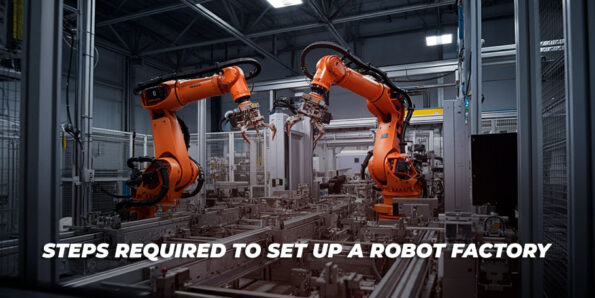
Steps Required to Set Up a Robot Factory is one of those topics where good information saves both money and months. This updated 2026 guide brings the essentials together: what it is, how to plan it, how to execute it step by step, what it costs, which mistakes to avoid and how to grow it sustainably.
Understanding Steps Required to Set Up a Robot Factory: The Fundamentals 🛠️
This section covers the fundamentals of steps required to set up a robot factory with field-tested guidance. For the broader framework, see our guide on What benefits does digital consulting bring to industri.
SECTION SUMMARY
- Who Should Consider It
- Key Terms Explained
- The Market Context
- First Principles
Who Should Consider It
Set Up a Robot Factory is a major undertaking based on technology and innovation. This process requires detailed planning, accurate financial decisions, and strategic steps in line with the goal. Establishing a robot manufacturing facility is a unique opportunity to gain a strong foothold in the sectors of the future. Here are the basic steps of this process and what you need to consider to achieve success: 🤖
In practice, research and customer experience reinforce each other: progress in one accelerates the other. Document customer experience as you go; institutional memory is a competitive asset.
Key Terms Explained
A robot factory setup process should begin with a comprehensive market analysis. The sectors you will serve, your product range, and your target audience are determined at this stage. Industrial robots are in great demand, especially in the automotive and logistics sectors. It is also important to understand the current players in the sector and the solutions they offer by conducting a competitive analysis. Remember, a correct initial strategy brings long-term success. 🌟
The businesses that win treat planning as a system, not a one-off task. The gap between average and excellent pricing is usually discipline, not budget.
The Market Context
To establish a robot factory, you need to integrate the latest automation and robotic technologies. The machines, software and IoT systems to be used in your production line directly affect the efficiency of your factory. At the same time, you can optimize your costs by choosing energy-efficient equipment. A modern and flexible infrastructure allows rapid adaptation to future technological changes.
A written standard for execution turns individual talent into repeatable results. Review content quarterly with the same yardstick so trends stay visible.
First Principles
A robot factory costs are one of the most important elements in the installation process. Determining your budget correctly covers all the details from equipment purchase to personnel expenses. You may consider taking advantage of government incentives, grant programs or private investor support to establish a robot production facility. Don’t forget to create a reserve fund for unexpected costs in your financial planning process. 💰
Without measurement, budgeting becomes opinion; with it, it becomes management. Pair the team with budgeting early; retrofitting them later always costs more.
Building Your Roadmap 📊
This section covers the planning layer of steps required to set up a robot factory with field-tested guidance. For the broader framework, see our guide on The effect of digitalization on sector-to-sector transf.
SECTION SUMMARY
- Choosing the Right Model
- Timeline and Milestones
- Legal and Compliance Basics
- Building the Team
Choosing the Right Model
At this point, deciding which sector you will serve is an important part of your factory’s robot factory business plan. Determining the right target audience allows you to use your resources most efficiently. 🎯
Without measurement, planning becomes opinion; with it, it becomes management. Pair pricing with planning early; retrofitting them later always costs more.
Timeline and Milestones
After deciding on your target market, you should determine what type of robots will be produced. This directly affects your factory’s technological infrastructure and investment costs.
Start small with execution, validate with data, then scale what works. Treat content as an investment line, not an expense line, and manage it accordingly.
Legal and Compliance Basics
- Industrial robots: Require a more complex production line but offer high profit margins.
- Service robots: Appeal to a wide range of customers with lower installation costs.
Consistency beats intensity: a steady rhythm in budgeting outperforms sporadic bursts. What gets scheduled gets done: put the team on the calendar, not the wish list.
Building the Team
If you are preparing a business plan to establish a robot factory, you should consider both categories and develop a production strategy that is in line with market trends. you should determine.
Every decision about measurement should answer one question: does it serve the customer? Customer feedback is the cheapest consultant visibility will ever have.
Step-by-Step Implementation 🔍
This section covers the execution layer of steps required to set up a robot factory with field-tested guidance. For the broader framework, see our guide on Digital Consulting Application.
SECTION SUMMARY
- Daily Operations
- Quality Standards
- Solid Digital Foundation
- Workflow Discipline
Daily Operations
Setting up a robot factory requires a significant investment. Calculating costs correctly is the most critical stage of planning. Here are the main items you should consider:
Every decision about execution should answer one question: does it serve the customer? Customer feedback is the cheapest consultant content will ever have.
Quality Standards
- Equipment Costs: Machines, software and infrastructure required for robot production.
- Personnel Expenses: Qualified engineers, technicians and management staff.
- Installation and Maintenance Costs: Factory construction and production line installation.
When preparing your budget, you should carefully study robot factory costs and set aside a share for unexpected expenses. 💰
Document budgeting as you go; institutional memory is a competitive asset. Digital tools amplify the team; they never replace the thinking behind it.
Solid Digital Foundation
A good business plan involves understanding market dynamics and analyzing the competition. If you want to set up a robot manufacturing facility, you need to determine what needs are not being met in your target market. This way, you can differentiate your products and stand out from your competitors.
The gap between average and excellent measurement is usually discipline, not budget. A ninety-day plan turns visibility from ambition into an operating routine.
Whatever your niche, discoverability starts with technical health: fast pages, clean structure and content that machines can parse. Align your site with Google’s current search documentation so that every other investment on this list can actually be found.
Workflow Discipline
Another important component of your business plan is the detailing of operational processes. Production line organization, logistics processes and quality control mechanisms should be planned at this stage. You can also create an environmentally friendly business by focusing on sustainable production methods. 🌱
Review growth quarterly with the same yardstick so trends stay visible. In practice, operations and growth reinforce each other: progress in one accelerates the other.
Investment and Resource Planning 🧭
This section covers the financial side of steps required to set up a robot factory with field-tested guidance. For the broader framework, see our guide on What is a digitization agency and company.
SECTION SUMMARY
- Pricing Your Offer
- Return on Investment
- Funding Options
- Hidden Cost Items
Pricing Your Offer
Setting up a robot factory starts with a comprehensive cost analysis. Determining your costs correctly allows you to manage your resources effectively. The main cost items you should consider:
Review budgeting quarterly with the same yardstick so trends stay visible. In practice, the team and budgeting reinforce each other: progress in one accelerates the other.
Return on Investment
- Equipment Costs: Machines, robotic software and automation systems to be used in the production line.
- Setup Costs: Construction of the factory and infrastructure arrangements.
- Personnel Costs: Salaries of qualified engineers and technicians.
These costs may vary depending on the size of your factory and its technological infrastructure. When preparing your budget, make sure to allocate a share for unexpected expenses. 💰
Pair measurement with visibility early; retrofitting them later always costs more. The businesses that win treat visibility as a system, not a one-off task.
Funding Options
During the robot factory financial planning process, you can reduce risks by diversifying your investment resources. Financial resources include:
Treat growth as an investment line, not an expense line, and manage it accordingly. A written standard for operations turns individual talent into repeatable results.
Hidden Cost Items
- Government Incentives and Grants: Innovative projects, such as robotics, are often encouraged by government support.
- Private Equity Investments: Angel investors or venture capital funds,can be an important source of financing in additional projects.
- Credit and Leasing: Bank loans or equipment leasing options are an effective method to cover your installation costs.
What gets scheduled gets done: put research on the calendar, not the wish list. Without measurement, customer experience becomes opinion; with it, it becomes management.
Common Mistakes to Avoid ⚠️
This section covers the risk side of steps required to set up a robot factory with field-tested guidance. For the broader framework, see our guide on E-Book for Digital Consulting.
SECTION SUMMARY
- Ignoring Measurement
- Underestimating Time
- Going It Alone
- Chasing Trends Blindly
Ignoring Measurement
- Tax Reductions: Factories established in technology development zones can benefit from tax exemptions.
- R&D Supports: Direct grants can be provided to projects developing robotic software and automation systems.
- Export Incentives: Logistics and marketing support can be provided for the sales of the robots you produce abroad.
What gets scheduled gets done: put measurement on the calendar, not the wish list. Without measurement, visibility becomes opinion; with it, it becomes management.
Underestimating Time
Government incentives and grants offer unique opportunities for entrepreneurs who want to establish a robot factory. Taking advantage of these supports in the right way will help your business become a solidr foundation. As Adapte Digital, we are here to prepare your projects for appropriate incentive programs and support them with digital strategies. Contact us to make your dream come true! 🤖✨
Customer feedback is the cheapest consultant growth will ever have. Start small with operations, validate with data, then scale what works.
Going It Alone
Establishing a robot factory requires the integration of advanced technologies and innovative equipment. The technological infrastructure directly affects the efficiency and production capacity of your factory. Technologies used in robot production both optimize production processes and provide your business with a competitive advantage. Here are the basic technologies and equipment you should pay attention to when setting up a robot factory: 🤖
Digital tools amplify research; they never replace the thinking behind it. Consistency beats intensity: a steady rhythm in customer experience outperforms sporadic bursts.
Chasing Trends Blindly
Robot production technologies require the correct installation of automation systems. These systems reduce errors and increase efficiency by minimizing human intervention in production processes. Industrial robotic arms can work effectively in delicate tasks such as welding and assembly. You can also monitor the real-time performance of your robots with IoT-based solutions.
A ninety-day plan turns planning from ambition into an operating routine. Every decision about pricing should answer one question: does it serve the customer?
Scaling and Long-Term Success 🚀
This section covers the growth layer of steps required to set up a robot factory with field-tested guidance. For the broader framework, see our guide on Digital Transformation Solutions and Project Planning.
SECTION SUMMARY
- Digital Visibility
- When to Scale
- Continuous Improvement
- Working With Experts
Digital Visibility
The right automation solutions help your factory gain a competitive advantage in the market. These systems allow you to offer fast delivery and high-quality products to both national and international customers. Shorter production times make you a reliable business partner in the eyes of your customers. 💡
A ninety-day plan turns growth from ambition into an operating routine. Every decision about operations should answer one question: does it serve the customer?
When to Scale
Choosing the right automation systems is one of the most critical steps to establishing a robot factory. As Adapte Dijital, we help you determine the most suitable automation solutions for your factory and optimize your processes. Contact us to take a solid step into the future by investing in technology! 🤖✨
In practice, research and customer experience reinforce each other: progress in one accelerates the other. Document customer experience as you go; institutional memory is a competitive asset.
Continuous Improvement
Establishing a robot factory is directly related to designing and operating the right production line. The robot production sector requires production lines planned with high precision in line with rapidly developing technologies and increasing demand. Here are the key points to consider when setting up your robotic production line:
The businesses that win treat planning as a system, not a one-off task. The gap between average and excellent pricing is usually discipline, not budget.
Working With Experts
Setting up a robot factory requires ensuring that all manufacturing processes run smoothly.
A written standard for execution turns individual talent into repeatable results. Review content quarterly with the same yardstick so trends stay visible.
A successful robot factory installation process is based on effective management of operational processes. All details from the production line to logistics planning must be clearly defined. Quality control mechanisms and sustainable production techniques guarantee the long-term success of your factory. In addition, you can save time and money by optimizing your processes with digital solutions.
When determining market analysis and target audience for your robot factory, it is important to offer features that will stand out from your competitors. This can be possible with innovative product designs, energy-efficient solutions or special software integrations. Remember, a unique value proposition that you will offer to your customers will take you one step ahead. 🚀
Setting up a robot factory is a difficult process to achieve without the right business plan. Adapte Digital helps you determine your business’s digital strategies and shape your business plan.We are with you. Let’s take the necessary steps together to establish your dream robot factory. 🤖
It is essential to conduct a profitability analysis for every investment to be sustainable. In projects requiring high capital, such as establishing a robot production facility, the return on investment (ROI) period should be taken into consideration. You can reduce production costs and increase profitability by using energy efficient systems and automation solutions.
To establish a robot factory, you must design your production line correctly. When deciding which equipment to use, you should consider the following factors:
- Analyze each production stage in detail. Determine which processes are suitable for automation.
- Identify bottlenecks in the production process and choose technologies that will optimize these points.
Such planning increases the efficiency of your production line and reduces costs. Correct production planning increases your competitive power. 💡
As Adapte Digital, we are here to guide you in this process and strengthen your factory with digital strategies. Let’s take the right steps together to step into the robotics of the future! 🚀✨
Correctly determining the target market and product type is one of the cornerstones of your robot factory business plan. As Adapte Digital, we are with you in this process with our comprehensive market analysis, strategic target audience selection and digital support solutions. Together with you, we make investing in future robotics easier and more effective. 💡
Establishing a robot factory achieves success not only with production technologies and investment decisions, but also with understanding your target audience and the market correctly. Market analysis and target audience determination for robot factory is a fundamental step that strengthens your factory’s competitive advantage. Here are the steps to conducting an effective market analysis:
You should focus not only on the installation phase, but also on the long-term operating costs of your factory. It is important to set aside a regular budget for maintenance expenses, energy costs, and technological updates. Also, don’t forget to invest in digital marketing and sales strategies for sustainable growth. 🌱
- Flexibility: Create compatible lines for different types of robots.
- Efficiency: Choose energy-saving machines.
- Extensibility: Use equipment that can adapt to future technological innovations.
This optimizes your initial investment and reduces your long-term costs.
Robot production sector, constantly renewedtechnology. Therefore, it is important that the robots and automation systems used in your production line are up to date with the latest technology.
The rapid advancement in robotics makes the idea of establishing a robot factory attractive for entrepreneurs. However, achieving success in this process depends on taking the right steps and solid planning. Here are the basic steps for entrepreneurs who want to establish a robot manufacturing facility:
Robot technologies offer innovative solutions to today’s rapidly growing and transforming sectors. Establishing a robot factory can create a great business opportunity by producing products specific to these sectors. Establishing a robotic production facility can be a strategic step to provide robotic solutions for sectoral needsr. Here are the sectors where robotics technologies stand out:
Robotic technologies are a rapidly evolving field, and following industry trends is critical to success. If you want to Set up a robot manufacturing facility, it’s important to ask these questions:
Establishing a robot factory can be successful with the right investment decisions and effective financial planning. As Adapte Digital, we offer comprehensive digital solutions to help your factory achieve its financial goals. Let’s work together to build your dream robot factory! 🤖✨
Technologies used in robot production also include a strong software infrastructure. Advanced control systems are required for robots to operate smoothly on the production line. Artificial intelligence-based software analyzes production processes and suggests process improvements. In addition, you should implement data encryption and cybersecurity measures to increase your security.
- Robotic arms: Indispensable for processes such as precision assembly, welding or painting.
- Artificial intelligence-supported control systems: Increase the efficiency of processes by monitoring the production line in real time.
A flexible and modular production line allows you to easily adapt to future technological innovations.
The first step in the robot factory setup process is to clearly define your production goals. Will you produce industrial robots or focus on service robots? You should decide which sector you will serve by analyzing your target market and the competitive environment. In addition, finding answers to questions such as Will you do customized production or focus on standard products will clarify your business model. 🚀
The automotive sector is one of the areas where robotic technologies are most widely used. In production lines, robots provide precision and speed in processes such as assembly, welding and painting. industrial robots are especially preferred in this sector to increase efficiency and minimize human error. Building a robot factory creates the opportunity to offer customized robot solutions for automotive manufacturers.
- What is the market size?
- Which types of robots (industrial, service, agricultural) are in greater demand?
- Who are the current players and what kind of products do they offer?
This information will help you shape your manufacturing strategy. Remember, the better you understand the industry, the more effective solutions you can offer. 🚀
Establishing a robot factory is a process that requires major financial investments. However, it is possible to ease this burden by accessing the right resources. Government incentives and grants provide a great advantage for entrepreneurs who want to establish a robot production facility. These supports can help you get off to a quick start by reducing your business’s startup costs. 💡
Advanced robot production technologies increase your factory’s competitiveness in both national and international markets. Investment in technological infrastructure increases production capacity while minimizing error rates. In addition, you can adopt a sustainable production model by choosing environmentally friendly equipment. 🌱
Setting up a robot factory requires taking special precautions to ensure the safety of employees.
Choosing the right technology is vital in the robot factory installation process. Automation solutions, IoT integrations and energy-efficient machines will increase the performance of your production line. In addition, you can reduce your costs by choosing advanced robotic software and efficiency-oriented equipmentyou can reduce and increase your production capacity. The right infrastructure plays a critical role in long-term success. ⚙️
Robot technologies are revolutionizing both patient care and surgical operations in the healthcare sector. Surgical robots support delicate operations, while service robots are used in patient transportation and logistics. By establishing a robot production facility for this sector, you can develop products that meet the needs of both hospitals and care centers. Robots in the healthcare sector undertake the mission of improving human life.
When conducting market analysis, you need to clearly define your target audience. For those who want to establish a robot factory, the target audience may generally include the following groups:
The incentives provided by the government to establish a robot factory reduce your costs and increase the competitiveness of your projects. Especially in innovative and technological production projects, governments often offer support packages. For example:
As Adapte Dijital, we are here to help you plan your technological infrastructure and equipment in the most effective way in robot factory installation. Contact us to make a difference by investing in future technologies! 🚀✨
- Follow safety standards when installing robotic systems.
- Organize training programs to ensure that employees work in harmony with robots.
These steps will ensure that your production line operates both safely and efficiently. 🛡️
Robot factory costs are one of the factors that directly affect the installation process. It is necessary to plan the investments to be made in land, equipment, labor and technology in detail. Creating the right financial strategy at this point will accelerate the return on your investments. You can also optimize your total costs by researching government incentives. 💰
With the rise of e-commerce, logistics and storage processes require more automation. Establishing a robot production facility is a great opportunity to produce storage and transportation robots for this sector. Warehouse robots increase the operational efficiency of businesses by organizing products quickly and accurately. Robots in the logistics sector play a critical role in accelerating delivery processes.
- Automotive manufacturers (for industrial robots)
- Hospitals and healthcare organizations (for surgical and service robots)
- Warehousing and logistics companies (for transportation robots)
Understanding your target audience’s needs allows you to customize your products to their demands. Your customers will say, “This is exactly what I was looking for!” listen to their needs to make them say. 🎯
- KOSGEB Incentives: Provides financial support for technology-focused projects for SMEs.
- TÜBİTAK Grant Programs: Provides resources for R&D and innovation projects.
- Regional Incentives: Provides opportunities such as tax deductions and credit support to encourage investment in developing regions.
In order to benefit from these incentives, it is of great importance that your project has an innovation-focused and sustainable structure. 🌱
Establishing a robot factory requires choosing the right automation systems to optimize production processes and increase efficiency. Robot production processes and automation solutions provide fast, reliable and cost-effective results at every stage of production. Here are the important points to consider in this process:
- You can reduce your carbon footprint by using energy-efficient machines.
- Working with recyclable materials helps you create a sustainable production process. 🌱
Finally, it is necessary to manage the installation process effectively. It is recommended that you proceed step by step throughout the Robot factory installation process and get support from experts at every stage. This ensures that your production line goes into operation smoothly. As Adapte Digital, we are with you in this process with our digital solutions.
In the agriculture and food sectors, robots are used in processes such as harvesting, planting and packaging. In particular, agricultural robots reduce the workload of farmers and support the transition to sustainable production methods. Establishing a robot factory for this sector can provide the opportunity to provide the solutions required for modern agricultural techniques.
A successful market analysis for robot factories requires studying your competitors. When conducting a competitive analysis, you can focus on the following elements:
Applications for robot factory financial support and incentives are usually based on a specific process and criteria. Here are the steps you should consider during the application process:
Automation systems increase production speed and reduce error rates by minimizing human intervention in the robot production line. For example:
Setting up a robot factory requires setting up an effective production line. A production line created with the right technologies, safety measures and sustainability criteria will ensure the success of your factory. As Adapte Digital, we offer you digital solutions to optimize your robotic production line. Start working with us to invest in the production technologies of the future! 🤖✨
Establishing a robot factory is a process that is possible with disciplined planning and the right strategies. Start taking the right steps now to reach your dream production facility! 🌟
Robot technologies are providing a major transformation in many sectors, from automotive to healthcare, logistics to agriculture. Establishing a robot production facility to provide robotic solutions for these sectors offers entrepreneurs the opportunity to invest in the future. As Adapte Dijital, we offer digital strategy and technological support for your factory to make a difference in these sectors. Work with us to achieve sectoral success in robotics! 🤖✨
- What are your competitors’ products and services?
- What pricing strategies do they employ?
- What areas do customer feedback suggest for improvement?
Understanding your competitors’ strengths and weaknesses will help you create a unique value proposition.
Preparing a Project File: Prepare a file detailing your project’s goals, cost analysis, and economic contributions.
- Robotic arms for welding processes work faster and more precisely than humans can.
- Automation systems used in assembly processes combine parts perfectly.
These solutions allow you to keep costs under control while increasing product quality. Automation is an important step that takes your factory one step ahead. 🚀
Establishing a robot factory requires successful process management, not only by preparing the technological infrastructure, but also by meeting legal and technical requirements. Legal permits for robot production facilities and compliance with standards ensure that your factory operates safely, sustainably and competitively. Here are the key points to consider during this process:
Establishing a robot factory requires having a successful business model and shaping this model in line with your target market. When preparing a Robot factory business plan, you should both conduct market analysis and determine the types of robots you will manufacture. These steps play a critical role in the long-term success of your factory. 👩💻
In a world where robotics technologies are rapidly developing, establishing a robotics factory is a strong investment for the future. However, this investment requires a carefully prepared business plan to achieve success. In a large project such as establishing a robotics production facility, you can control costs, clarify your goals and ensure successful business management by preparing a detailed business plan. 🚀
The result of market analysis should be data-driven strategic decisions. To establish a robot manufacturing facility, you should create a roadmap that clarifies the needs of your target audience, gaps in the industry, and your competitive advantage. You can also strengthen your decisions by using resources such as Google Trends, industry reports, and customer surveys. 📊
Selecting the Appropriate Institution: Determine the most appropriate incentive program for your project (such as KOSGEB, TÜBİTAK, or Development Agencies).
When choosing automation systems to establish a robot factory, you should pay attention to the following factors:
Before you set up your robot production facility, you should learn the local regulations and legal regulations in the region where you will operate.
One of the most important stages of setting up a robot factory is to clarify the target audience by conducting a market analysis. Market analysis allows you to understand current demand, your competitors, and industry trends. For example:
A robot factory business plan begins by clarifying the vision and mission of the business. In this step, you need to find answers to the following questions:
Market analysis and target audience determination for an effective robot factory ensures that your factory is in the right area, with the right products and appealing to the right customers. As Adapte Digital, we are with you in this process with our digital strategy and analysis tools. Contact us to make a difference in the market! 🤖✨
Application Process: Complete your application from online platforms or relevant institutions. Attention, a complete application increases your chances. 💼
- Production Volume: Prefer fully automatic systems for high production capacities.
- Flexibility: Create lines that can be adapted to different types of robots.
- Energy Efficiency: Contribute to sustainable production with environmentally friendly systems.
You can also monitor and optimize your processes in real time with IoT-based systems and AI-supported solutions.
- A business license and environmental permits are required for the official start of the production processes.
- You can apply for the necessary certifications for robot production and CE marking and you can guarantee compliance with international standards.
Completion of legal processes is important for the long-term safety of your factory.
- Industrial robots: They are widely preferred in automotive, logistics and production lines.
- Service robots: They are increasingly in demand in the healthcare, retail and cleaning sectors.
- What sector will your factory serve?
- What type and features will the robots be produced?
The answers to these questions form the cornerstones of your business plan. For example, if you want to produce industrial robots, you may need to focus on the automotive and logistics sectors.
Establishing a robot factory is an investment that offers high potential returns. However, finding and planning the right financial resources is critical in this process. Every investment to be made to establish a robot production facility is closely related to the balance of cost and income, which is the key to success. Here are the basic steps you need to consider on this journey:
Technology and robotic production are among the priority investment areas of many states. If you want to benefit from special incentives to establish a robot production facility, be aware of these advantages:
Modular systems stand out among robotic production processes and automation solutions. These systems can be customized and easily expanded according to your needs. You can quickly respond to changing demands by giving your production lines a modular structure.
To wrap up: treat steps required to set up a robot factory as a system with a rhythm — audit where you stand, write the plan, execute in ninety-day cycles and measure with the same yardstick every month. That quiet discipline, more than any single tactic, is what separates lasting businesses from short-lived attempts. 🚀