
Step by Step Guide to Building an Industrial Robotic System Factory
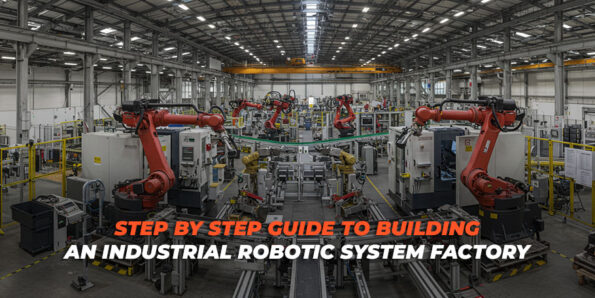
Step by Step Guide to Building an Industrial Robotic System Factory is one of those topics where good information saves both money and months. This updated 2026 guide brings the essentials together: what it is, how to plan it, how to execute it step by step, what it costs, which mistakes to avoid and how to grow it sustainably.
Understanding Step by Step Guide to Building an Industrial Robotic System Factory: The Fundamentals 🛠️
This section covers the fundamentals of step by step guide to building an industrial robotic system factory with field-tested guidance. For the broader framework, see our guide on Market Research Methods for Small Businesses.
SECTION SUMMARY
- What It Really Means
- Why It Matters in 2026
- Who Should Consider It
- Key Terms Explained
What It Really Means
Building an Industrial Robotic System Factory, has become one of the most important steps for businesses that aim for high efficiency and low cost by combining technology and production processes. However, this process is not just about choosing the right equipment. Technical knowledge, strategic planning and sustainability goals are of great importance for a successful robotic system factory. In this guide, we cover this important process step by step. 🚀
In practice, research and customer experience reinforce each other: progress in one accelerates the other. Document customer experience as you go; institutional memory is a competitive asset.
Why It Matters in 2026
A robotic system factory installation guide simplifies this seemingly complex process for entrepreneurs and investors. With the right guide, every step from planning the production line to integrating the technological infrastructure becomes easier. Effective guidance not only saves costs, but also ensures the long-term success of the factory. The key elements to consider in this process are: robotic system equipment, location selection, and legal requirements. ✅
The businesses that win treat planning as a system, not a one-off task. The gap between average and excellent pricing is usually discipline, not budget.
Who Should Consider It
The answer to the question of how to set up a robotic system factory begins with a detailed business plan. As a first step, you should conduct market research and determine your target customer base. Then, you should choose robotic system equipment suitable for your production capacity. Being prepared for the challenges that may be encountered during the integration of robotic technologies will increase the success rate in the process. You can establish a modern production line using industry 4.0 solutions to strengthen the technological infrastructure of your factory.
A written standard for execution turns individual talent into repeatable results. Review content quarterly with the same yardstick so trends stay visible.
Key Terms Explained
As Adapte Digital, we are happy to be with entrepreneurs in their robotic system factory installation processes. By offering solutions specific to your business’s needs, we accelerate the installation process and enable you to achieve high efficiency at lower costs. ✨ Moreover, we are not limited to technical infrastructure alone; we increase the global competitiveness of your factory with digital transformation strategies. 🌍
Without measurement, budgeting becomes opinion; with it, it becomes management. Pair the team with budgeting early; retrofitting them later always costs more.
Building Your Roadmap 📊
This section covers the planning layer of step by step guide to building an industrial robotic system factory with field-tested guidance. For the broader framework, see our guide on E-Commerce Startup.
SECTION SUMMARY
- Setting Clear Goals
- Research Before You Start
- Choosing the Right Model
- Timeline and Milestones
Setting Clear Goals
Speed is one of the biggest advantages of robotic systems. Production processes that can take weeks with traditional methods can be reduced to a few days thanks to robotic automation. This allows businesses to respond to customer demands faster. In addition, establishing an industrial robotic system factory provides great advantages in terms of energy efficiency and resource management, as well as increasing production speed. 🔋
Without measurement, planning becomes opinion; with it, it becomes management. Pair pricing with planning early; retrofitting them later always costs more.
Research Before You Start
Finally, robotic systems provide flexibility to businesses. The ability to easily produce different product types on the same production line allows businesses to quickly adapt to changing market conditions. This flexibility helps businesses gain a competitive advantage in both local and global markets. This investment in robotic technologies guarantees long-term success. 🚀
Start small with execution, validate with data, then scale what works. Treat content as an investment line, not an expense line, and manage it accordingly.
Choosing the Right Model
In conclusion, robotic automation is an inevitable necessity for businesses that want to increase efficiency in their business processes with industrial robotic system production processes. As Adapte Digital, we are happy to offer the most suitable solutions for your business in this transformation journey. 📩 Contact us and carry your production processes to the future! 🌍
Consistency beats intensity: a steady rhythm in budgeting outperforms sporadic bursts. What gets scheduled gets done: put the team on the calendar, not the wish list.
Timeline and Milestones
Establishing an industrial robotic system factory allows businesses to significantly reduce costs while providing maximum efficiency in their production processes. In today’s competitive business world, effective use of resources and optimization of business processes are critical requirements for success. Robotic systems offer great advantages to businesses in both of these areas. 🌟
Every decision about measurement should answer one question: does it serve the customer? Customer feedback is the cheapest consultant visibility will ever have.
Step-by-Step Implementation 🔍
This section covers the execution layer of step by step guide to building an industrial robotic system factory with field-tested guidance. For the broader framework, see our guide on Guide to Opening a Restaurant, Diner, Buffet and Cafe.
SECTION SUMMARY
- Getting Started Right
- Tools and Infrastructure
- Solid Digital Foundation
- Quality Standards
Getting Started Right
Robotic automation not only reduces production errors; it also helps businesses reduce their costs. Losses caused by human errors negatively affect production efficiency and lead to high costs. The precision and consistency provided by robotic systems greatly reduce these losses and provide businesses with long-term savings. 💰
Every decision about execution should answer one question: does it serve the customer? Customer feedback is the cheapest consultant content will ever have.
Tools and Infrastructure
As a result, establishing an industrial robotic system factory is one of the most effective solutions for the transition to error-free and efficient production processes. As Adapte Digital, we offer modern robotic system solutions to improve your business’s production processes. 📩 Contact us and take your business one step ahead with the production technologies of the future! 🚀
Document budgeting as you go; institutional memory is a competitive asset. Digital tools amplify the team; they never replace the thinking behind it.
Solid Digital Foundation
Establishing an industrial robotic system factory is not only an option in the modern business world, but also a necessity for businesses aiming for efficiency and innovation. However, a detailed guide and a strategic approach are required for this process to be completed successfully. In this guide, we provide a comprehensive answer to the question How to establish a robotic system factory? and discuss the critical stages in detail. 🚀
The gap between average and excellent measurement is usually discipline, not budget. A ninety-day plan turns visibility from ambition into an operating routine.
Whatever your niche, discoverability starts with technical health: fast pages, clean structure and content that machines can parse. Align your site with Google’s current search documentation so that every other investment on this list can actually be found.
Quality Standards
First, preparing a robotic manufacturing process guide is the cornerstone of the installation process. This guide covers all stages from factory planning to equipment selection. Start with market research. Determine your target customer base and shape your production line according to these needs. Then, don’t forget to do a cost analysis when creating your business plan. Robotic manufacturing equipment may seem high in initial costs, but it provides significant savings to the business in the long run. ✅
Review growth quarterly with the same yardstick so trends stay visible. In practice, operations and growth reinforce each other: progress in one accelerates the other.
Investment and Resource Planning 🧭
This section covers the financial side of step by step guide to building an industrial robotic system factory with field-tested guidance. For the broader framework, see our guide on The Road to Success in Export and Foreign Trade.
SECTION SUMMARY
- Startup Cost Breakdown
- Ongoing Expenses
- Pricing Your Offer
- Return on Investment
Startup Cost Breakdown
Choosing the Right Equipment and Technology
The equipment you will use during the installation process directly affects your production capacity and product variety. Evaluate different types of robotic systems such as SCARA, Delta and 6-axis robots. You can increase the efficiency of your factory by establishing an integrated production line with automation software. 🌟
Review budgeting quarterly with the same yardstick so trends stay visible. In practice, the team and budgeting reinforce each other: progress in one accelerates the other.
Ongoing Expenses
In conclusion, the preparation phase is one of the most important steps in the establishing an industrial robotic system factory process. As Adapte Digital, we offer the support you need during the planning and installation process. 📩 Contact us, start building the future with robotic technology! 🌍
Pair measurement with visibility early; retrofitting them later always costs more. The businesses that win treat visibility as a system, not a one-off task.
Pricing Your Offer
Establishing an industrial robotic system factory achieves success not only by creating the technological infrastructure, but also by reaching the right target audience. Therefore, one of the first steps of the installation process, market research and target audience determination, directly affects the future success of your factory. 🌟
Treat growth as an investment line, not an expense line, and manage it accordingly. A written standard for operations turns individual talent into repeatable results.
Return on Investment
Market research allows you to understand which sectors your production line will appeal to and the needs of your potential customers. Which industries have high demand for robotic systems? Finding the answer to this question clarifies the focus of your business. For example, the automotive, electronics, healthcare equipment and logistics sectors are areas where robotic systems are widely used. ✅
What gets scheduled gets done: put research on the calendar, not the wish list. Without measurement, customer experience becomes opinion; with it, it becomes management.
Common Mistakes to Avoid ⚠️
This section covers the risk side of step by step guide to building an industrial robotic system factory with field-tested guidance. For the broader framework, see our guide on Guide to Opening a Medical Supply, Hospital Supply, Den.
SECTION SUMMARY
- The Most Expensive Mistake
- Skipping the Research Phase
- Ignoring Measurement
- Underestimating Time
The Most Expensive Mistake
It is also mandatory to complete local and national tax records and obtain a commercial activity certificate. These documents to be obtained from the tax office ensure that your factory operates as a legal business. At the same time, do not forget to obtain the quality and conformity certificates (such as CE certificate) required for the launch of your products. 🎯
What gets scheduled gets done: put measurement on the calendar, not the wish list. Without measurement, visibility becomes opinion; with it, it becomes management.
Skipping the Research Phase
In conclusion, establishing an industrial robotic system factory involves not only focusing on production processes but also fully complying with legal requirements. As Adapte Digital, we are here to facilitate your factory’s legal processes and guide you in obtaining the necessary permits. 📩 Contact us, let’s manage your factory’s legal processes together! 🚀
Customer feedback is the cheapest consultant growth will ever have. Start small with operations, validate with data, then scale what works.
Ignoring Measurement
Establishing an industrial robotic system factory requires the right equipment and technology selection. This critical step directly affects your factory’s production capacity, efficiency and cost advantages. Industrial robotic equipment selection should be made in accordance with both technological requirements and production needs. ✅
Digital tools amplify research; they never replace the thinking behind it. Consistency beats intensity: a steady rhythm in customer experience outperforms sporadic bursts.
Underestimating Time
First, clearly determine the needs of your production line. The products you will produce shape the type and capacity of robotic systems. SCARA, Delta and 6-axis robots offer various advantages for different production processes. For example, you can choose SCARA robots for precision assembly operations and Delta robots for fast packaging and transportation. The right equipment selection increases flexibility and speed in production. 🌟
A ninety-day plan turns planning from ambition into an operating routine. Every decision about pricing should answer one question: does it serve the customer?
Scaling and Long-Term Success 🚀
This section covers the growth layer of step by step guide to building an industrial robotic system factory with field-tested guidance. For the broader framework, see our guide on KVKK Application Guide Basic Information for Businesses.
SECTION SUMMARY
- Measuring What Matters
- Building Repeat Business
- Digital Visibility
- When to Scale
Measuring What Matters
Future-Ready Infrastructure Investments
When planning the infrastructure of your production line, consider future expansion and modernization needs. A modular technology infrastructure allows your factory to grow easily. You can also reduce costs and increase sustainability by investing in technologies that will increase energy efficiency.
A ninety-day plan turns growth from ambition into an operating routine. Every decision about operations should answer one question: does it serve the customer?
Building Repeat Business
In conclusion, industrial robotics technology infrastructure is indispensable for your factory to operate successfully and gain competitive advantage. As Adapte Digital, we are with you to create the infrastructure you need for your factories. 📩 Contact us, let’s build your technological infrastructure together! 🚀
In practice, research and customer experience reinforce each other: progress in one accelerates the other. Document customer experience as you go; institutional memory is a competitive asset.
Digital Visibility
Establishing an industrial robotic system factory requires proper planning and an effective strategy. This process not only involves creating the technological infrastructure; it also includes market research, cost analysis, and detailed planning of operational processes. So, how to establish a robotic system factory? Here is our step-by-step guide: 🚀
The businesses that win treat planning as a system, not a one-off task. The gap between average and excellent pricing is usually discipline, not budget.
When to Scale
Start with Market and Competition Analysis
A comprehensive market analysis is the basis of every successful factory. First, determine the sectors and customer segments that demand robotic systems. The need for robotic systems is rapidly increasing in sectors such as automotive, electronics, logistics, and healthcare. In line with this information, it will be easier to determine which products and services your factory will focus on. In addition, evaluate how you can differentiate your business by examining the activities of your competitors. ✅
A written standard for execution turns individual talent into repeatable results. Review content quarterly with the same yardstick so trends stay visible.
By following our step-by-step guide, you can build your dream industrial robotics system factory and take on a leading role in technology and production processes. You can contact us for detailed information and professional support. 📩 Take the first step to build the future today! 👏
Robots can work much faster and more consistently than human power. By increasing daily production capacity, it allows businesses to meet customer demands in a shorter time. It also increases quality standards by eliminating the risk of human error in repetitive tasks. This helps businesses both reduce production losses and provide higher customer satisfaction. ✅
Another important step is choosing the right equipment and technology. The equipment to be used to establish an industrial robotic system factory should be suitable for production capacity and product variety. When choosing between different types of robots, it is critical to determine the one that best suits your needs. SCARA, Delta or 6-axis robots offer various advantages for different production lines. In addition, you need to integrate automation software to optimize your production line. 💡
When determining your target audience, you should focus not only on sectors but also on your customers’ business models. Is your target audience large-scale production factories or smaller businesses with special production needs? The answer to this question shapes the design and production capacity of your robotic systems. You can also increase your potential to offer innovative solutions by examining future trends in the market. 🚀
In addition, you should also evaluate the energy efficiency and maintenance requirements of the selected robotic systems. Robots with low energy consumption contribute to your sustainable production goals while reducing operating costs. In addition, low-maintenance equipment minimizes operational interruptions and ensures that your factory operates without interruption. 🔋
Business Plan and Cost Calculation
Building an Industrial Robotic System Factory requires significant initial costs. Therefore, it is very important to create a comprehensive business plan. Consider equipment purchases, infrastructure expenses, labor costs, and logistics expenses in cost calculations. You can also create a sustainable structure by including financial indicators such as return on investment (ROI) in your business plan. 💡
Today, establishing an industrial robotic system factory is one of the most important steps taken by businesses to achieve speed, efficiency and cost advantage in their production processes. Integrating robotic systems into production not only saves time and labor, but also increases competitiveness and prepares companies for the world of the future. Robotic automation forms the backbone of modern production facilities, while also opening the door to sustainable business models. 🌍
Industrial robotic factory costs may seem high at first, but they pay for themselves in the long run with the savings they provide. Robotic systems reduce energy costs for businesses by providing energy efficiency. They also reduce the need for labor, saving on personnel costs. For example, a production line that requires more than one shift can operate 24/7 thanks to robotic automation. 🔋
One of the most critical stages of the installation process is site selection and infrastructure preparation. The location of your factory affects many factors, from logistics costs to production processes. During infrastructure preparations, make sure that your electricity, energy and internet connections are arranged to meet the requirements of robotic systems. 🔧
Another important point is the effect of geographical location. During market research, you can gain logistical advantages by analyzing the regions where your target customers are located. This analysis optimizes supply chain costs and allows you to serve your customers faster. 💡
Technological integration is another important dimension of equipment selection. You can optimize the production process by making your robotic systems compatible with automation software. Industry 4.0 technologies allow digital monitoring and management of production processes while increasing efficiency. This allows your factory to easily adapt to future developments. 🚀
Choosing the Right Equipment and Technology
Robotic system factories should be equipped with equipment that provides high precision and efficiency. SCARA, Delta, and 6-axis robots are suitable options for different production processes. You can also increase efficiency by establishing a production line compatible with automation software. Choosing energy-efficient robots and low-maintenance systems provides long-term cost advantages. 🌟
Industrial robots reduce dependence on human labor, especially in repetitive and delicate jobs. This both increases work safety and minimizes error rates. The main motivation for those asking the question How to set up a robotic system factory? is to improve business processes and gain a competitive position in the global market. Investing in automation systems, especially in rapidly developing sectors, is a critical need for companies to exist in the future.
In addition, robotic systems provide flexibility in production. The ability to produce different product types on the same production line makes it possible to quickly adapt to market changes. This helps businesses reduce inventory costs and increase sales revenues. 💡
Finally, employee training and adaptation should not be forgotten. A team specialized in the use of robotic systems directly affects the performance of your factory. You can support your employees to adapt to the systems quickly by organizing training programs. 📚
Finally, don’t forget to do a competitor analysis. By examining the products and services offered by your competitors, you can determine how to differentiate your business. Offering a unique value proposition is one of the most effective ways to attract the attention of your target audience.
Finally, consider the equipment’s warranty coverage and technical support services. Robotic systems from reliable suppliers support the long-term success of your factory. In addition, choosing a partner who provides fast technical support for potential failures will prevent production downtime.
Completing Legal Requirements
Like any factory, another answer to the question of how to set up a robotic system factory is to fulfill legal requirements. Documents such as environmental impact assessment (EIA) reports, work safety documents, and commercial licenses must be prepared completely. Completing legal processes on time ensures that your factory operates without interruption. 🔧
In the Industry 4.0 era, robotic systems increase productivity by digitizing production processes. Establishing an industrial robotic system factory not only increases the efficiency of businesses, but also significantly improves customer satisfaction. Faster production, lower costs, and fewer error rates both strengthen customer loyalty and increase business volume. 🎯
As a result, establishing an industrial robotic system factory is one of the smartest investments for businesses in terms of both efficiency and cost advantage. As Adapte Digital, we offer the guidance your business needs in this transformation process. 📩 You can reach us and take a step into this technological transformation where high efficiency meets low costs! 🚀
As a result, establishing an industrial robotic system factory can be successful with proper planning, equipment selection and training. As Adapte Digital, we offer all the digital and technical support you need during the installation process. 📩 Contact us, take a step into robotic technology and carry your business into the future! 🌍
In conclusion, proper market research and target audience analysis play a critical role in the success of the industrial robotic system factory process. As Adapte Digital, we offer strategic guidance for your business needs at this stage. 📩 Contact us, let’s develop the most suitable marketing strategies for your factory together! 🌍
In conclusion, establishing an industrial robotic systems factory is possible with the right equipment and technology selection. As Adapte Digital, we are with you in the selection and integration processes of equipment suitable for your factory’s needs. 📩 Contact us, let’s equip your production line with modern technologies! 🌍
In conclusion, establishing an industrial robotic systems factory can be a success with detailed planning, proper equipment selection, and legal compliance. As Adapte Digital, we are with you in this process with special solutions. 📩 Contact us, let’s equip your factory with the technologies of the future! 🌍
In addition, the robotic system factory installation process is not limited to technological innovations; it also ensures that business processes are optimized and sustainability goals are met. For example, energy-efficient robotic systems reduce production costs while keeping environmental impact to a minimum. This provides long-term value to both society and the business world. ✅
Establishing an industrial robotic system factory allows businesses to minimize human errors in their production processes. In traditional production processes, especially repetitive and detailed work is prone to human-related errors. These errors can reduce product quality, increase costs, and slow down production processes. However, robotic automation largely eliminates these difficulties. ✅
Establishing an industrial robotic system factory achieves success with proper planning and strategy. Preparation for the installation process is a critical stage in laying the foundations of the factory. We have compiled the important steps you need to consider during Robotic system production line installation for you. 🚀
Establishing an industrial robotic system factory not only requires planning technological and operational processes; it also requires fulfilling legal requirements. At this stage, it is critical that you complete all the permits and documents required for your factory to continue its activities. A proper legal process management saves both time and money. ✅
Establishing an industrial robotic system factory is not limited to equipment selection alone; it is also critical to correctly create the technological infrastructure of your production line. Industrial robotic technology infrastructure is one of the cornerstones for your factory’s efficiency, production capacity and digital transformation goals. ✅
Building an Industrial Robotic System Factory achieves success with a well-planned process and the right steps. Here is a step-by-step installation guide to guide you through the industrial robotics factory planning process: 🚀
As a result, establishing an industrial robotic system factory is not only an option but also a necessity in the modern business world. With the right equipment, strategy and business plan, it is possible to achieve this goal. If you want to take your business one step ahead in this transformation journey, we are with you with our digital consultancy and guidance services. 📩 Contact us and start building your future today! 🚀
Robotic systems work with programmed algorithms and can perform each process with the same precision. This eliminates inconsistencies in production processes. For example, on an assembly line, robots can assemble each component with the same angle and precision. This increases product quality and reduces the number of defective products that need to be reworked. 🌟
Market Research and Target Audience Determination
Before starting the installation process, it is important to determine your target customer audience and market needs. Analyze which products you will produce and in which sectors these products will be in demand. This research will guide all processes from the design of your production line to equipment selection. A proper market analysis will allow you to use your robotic systems in the most effective way. ✅
First, you need to obtain zoning permits appropriate to the region where your factory will be established. Your factory area must be located in a region classified as suitable for industrial production. In addition, it may be mandatory to prepare an environmental impact assessment (EIA) report within the scope of industrial robotic system factory legal permits. The EIA report evaluates the possible impacts of your factory on the environment and ensures that you comply with sustainability standards. 🌍
Start with Infrastructure Planning
The first step in creating the right technological infrastructure is to analyze your production processes. Determine your factory’s energy, data, and automation needs. A strong infrastructure ensures uninterrupted operation of robotic systems. You can also plan the necessary infrastructure elements for data networks and software integrations in advance to prevent potential problems. 🔧
Market Research and Goal Setting
Before starting the installation process, analyze the needs of the market. Determine which sectors you will serve and which products need to be manufactured. The Robotic manufacturing process guide is created in line with this analysis and provides a roadmap that suits your factory’s goals. You can also determine how to increase your competitive advantage in the market by examining your competitors’ strategies. ✅
Today, establishing an industrial robotic system factory is one of the most important steps that make business processes more efficient, faster and error-free. Production processes where robotic systems are integrated provide both cost advantage and increase competitiveness. Supported by modern technologies, these systems allow businesses to improve not only in production but also in many areas from supply chain to customer delivery. 🌟
In addition, establishing an industrial robotic system factory also contributes to work safety. Robots can work in more difficult and dangerous conditions than humans. Work done with chemicals, lifting heavy loads, or processes requiring high temperatures can easily be performed by robots. This prevents work accidents and allows employees to work in a safer environment. 🔧
Business Plan and Cost Analysis
In an industrial robotic factory planning process, the business plan creates the roadmap for the installation. Calculate your initial investments, equipment costs, and operational expenses by performing a cost analysis. The initial cost of robotic systems may be high, but it will pay for itself in the long run with the efficiency and low labor costs it provides. 💡
Another important step is to fulfill occupational safety and health requirements. Although industrial robotic systems work with high precision, you need to prioritize occupational safety in production processes. Establishing a production line that complies with occupational health and safety regulations ensures the safety of your employees and prevents potential legal problems. 🔧
Automation Software Compatible with Robotic Systems
Automation software plays a critical role in optimizing robotic production processes. Industry 4.0 technologies digitize your production line, making your processes more efficient. Features such as real-time monitoring, error detection and data analytics increase the performance of your production line. Software and hardware compatibility is a determining factor in the success of your technological infrastructure. 🌟
Creating a Business Plan and Financial Strategy
The second step of the industrial robotic factory planning process is to prepare a comprehensive business plan. Include cost analysis, investment budget, and production targets in your business plan. When determining your financial strategy, consider the savings that robotic systems will provide in the long term, as well as the initial costs. 💰
Robotic systems reduce the risk of human error in repetitive and detailed tasks in production. This is especially critical for industrial robotic system production processes. Robots work with flawless precision and raise quality standards. They also reduce dependency on human labor, increase job security, and allow employees to focus on more creative work. ✅
Location Selection and Infrastructure Preparation
When determining the location of your factory, consider logistical conveniences, energy costs, and employee access. Also, check the suitability of the infrastructure (power connections, automation software systems and network infrastructure) required for robotic system production line installation. Another important point is that your factory is established in an area that can accommodate expansion plans. 🔧
Data Security and Cloud Systems
Data security is an integral part of production processes in today’s technologies. For businesses that want to establish an industrial robotic system factory, cloud-based systems offer a great advantage. You can make your production line smarter by securely storing and analyzing your data. In addition, you should be prepared against potential threats by protecting your infrastructure with cybersecurity measures. 🔒
To wrap up: treat step by step guide to building an industrial robotic system factory as a system with a rhythm — audit where you stand, write the plan, execute in ninety-day cycles and measure with the same yardstick every month. That quiet discipline, more than any single tactic, is what separates lasting businesses from short-lived attempts. 🚀