
Setting Up a Pneumatic Conveying System Manufacturing Factory: A Comprehensive Guide from A to Z 🏭🔧
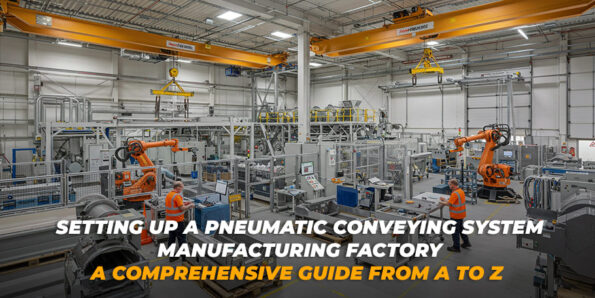
Setting Up a Pneumatic Conveying System Manufacturing Factory is one of those topics where good information saves both money and months. This updated 2026 guide brings the essentials together: what it is, how to plan it, how to execute it step by step, what it costs, which mistakes to avoid and how to grow it sustainably.
Core Concepts and Definitions 🛠️
This section covers the fundamentals of setting up a pneumatic conveying system manufacturing factory with field-tested guidance. For the broader framework, see our guide on What Does Digital Transformation Do.
SECTION SUMMARY
- Key Terms Explained
- The Market Context
- First Principles
- What It Really Means
Key Terms Explained
Today, pneumatic conveying systems, which stand out among industrial conveying solutions, offer an efficient and economical option, especially for powder and granule conveying systems. Establishing a pneumatic conveying factory can be a highly profitable venture for industrial investors and factory investors. However, the process of establishing a pneumatic conveying system manufacturing factory requires careful planning and the right investments. In this article, we will cover everything you need to know about pneumatic conveying systems manufacturing in detail! 📌
Start small with research, validate with data, then scale what works. Treat customer experience as an investment line, not an expense line, and manage it accordingly.
The Market Context
Pneumatic conveying is a highly efficient system that allows materials to be transported from one point to another using air pressure or vacuum. These systems are used in many areas such as cement conveying systems, plastic granule conveying systems, food sector pneumatic conveying solutions and chemical industry pneumatic conveying.
Consistency beats intensity: a steady rhythm in planning outperforms sporadic bursts. What gets scheduled gets done: put pricing on the calendar, not the wish list.
First Principles
✅ Requires less maintenance – Pneumatic conveying systems have fewer moving parts compared to mechanical conveying systems.
✅ Closed system – It offers hygienic transportation by preventing dust and dirt formation.
✅ Flexible and modular structure – Pneumatic pipe transportation systems can be easily expanded and adapted to production lines.
Every decision about execution should answer one question: does it serve the customer? Customer feedback is the cheapest consultant content will ever have.
What It Really Means
If you are thinking of establishing a factory that offers industrial transportation solutions, establishing a pneumatic transportation factory can be a profitable investment for you! 💰
Document budgeting as you go; institutional memory is a competitive asset. Digital tools amplify the team; they never replace the thinking behind it.
Planning and Strategy 📊
This section covers the planning layer of setting up a pneumatic conveying system manufacturing factory with field-tested guidance. For the broader framework, see our guide on What is the Scope of Digital Transformation.
SECTION SUMMARY
- Timeline and Milestones
- Legal and Compliance Basics
- Building the Team
- Setting Clear Goals
Timeline and Milestones
Who are your competitors? Pneumatic conveying vs. By looking at comparisons like mechanical conveying you can develop the best solutions on the market.
Document planning as you go; institutional memory is a competitive asset. Digital tools amplify pricing; they never replace the thinking behind it.
Legal and Compliance Basics
The pneumatic conveying systems license and legal requirements process includes the following steps:
✅ Obtaining an environmental impact analysis and industrial production certificate
✅ Engineering approvals for pneumatic conveying systems
✅ Benefiting from tax advantages and incentives
The gap between average and excellent execution is usually discipline, not budget. A ninety-day plan turns content from ambition into an operating routine.
Building the Team
Developing sustainable production strategies in these processes can increase your factory’s competitive advantage by using green energy solutions. 🌱⚡
Review budgeting quarterly with the same yardstick so trends stay visible. In practice, the team and budgeting reinforce each other: progress in one accelerates the other.
Setting Clear Goals
When you set up a pneumatic conveying systems factory, energy efficiency and optimization of operational processes are of great importance. Here are some strategies:
Pair measurement with visibility early; retrofitting them later always costs more. The businesses that win treat visibility as a system, not a one-off task.
Putting It Into Practice 🔍
This section covers the execution layer of setting up a pneumatic conveying system manufacturing factory with field-tested guidance. For the broader framework, see our guide on What Does Digital Transformation Do.
SECTION SUMMARY
- Quality Standards
- Solid Digital Foundation
- Workflow Discipline
- Getting Started Right
Quality Standards
📢 Take action now and take your place in the pneumatic conveying sector! 🎯
Pair execution with content early; retrofitting them later always costs more. The businesses that win treat content as a system, not a one-off task.
Solid Digital Foundation
Pneumatic conveying systems are a modern and efficient industrial conveying solution that transports materials from one point to another using air pressure or vacuum. Today, it is preferred in many sectors such as cement conveying systems, plastic granule conveying systems, food sector pneumatic conveying solutions and chemical industry pneumatic conveying. Establishing a pneumatic conveying system factory is a high-yielding venture for industrial investors. However, in order to establish a pneumatic conveying system manufacturing factory, it is first necessary to understand how these systems work and why they are preferred. Here are the advantages of pneumatic conveying systems and their role in the industry!
Treat budgeting as an investment line, not an expense line, and manage it accordingly. A written standard for the team turns individual talent into repeatable results.
Whatever your niche, discoverability starts with technical health: fast pages, clean structure and content that machines can parse. Align your site with Google’s current search documentation so that every other investment on this list can actually be found.
Workflow Discipline
Pneumatic conveying systems transport materials in closed pipelines with the help of air flow. The pneumatic pipe conveying process involves moving materials from one point to another by pulling them with pressurized air or vacuumis realized by being carried out. These systems offer ideal solutions, especially for transporting sensitive or powdery materials.
What gets scheduled gets done: put measurement on the calendar, not the wish list. Without measurement, visibility becomes opinion; with it, it becomes management.
Getting Started Right
📌 Vacuum conveying systems are suitable for sensitive materials and are often used in the food and pharmaceutical industries.📌 Pressurized pneumatic conveying systems are effective for transporting high-volume materials and are common in the cement, plastics and chemical industries.
📌 Pneumatic conveyor systems can be easily integrated into different production lines with their flexible and modular design.
Customer feedback is the cheapest consultant growth will ever have. Start small with operations, validate with data, then scale what works.
Costs, Budget and Resources 🧭
This section covers the financial side of setting up a pneumatic conveying system manufacturing factory with field-tested guidance. For the broader framework, see our guide on Digital Transformation Consultancy Company And Agency.
SECTION SUMMARY
- Return on Investment
- Funding Options
- Hidden Cost Items
- Startup Cost Breakdown
Return on Investment
Pneumatic conveying vs. When compared to mechanical transport, pneumatic systems provide a great advantage in that they take up less space, have a flexible design and operate in a closed system. Pneumatic conveying systems have the following advantages compared to mechanical systems:
Customer feedback is the cheapest consultant budgeting will ever have. Start small with the team, validate with data, then scale what works.
Funding Options
✅ Takes up less space – Pneumatic pipe conveying systems can be easily installed even in narrow spaces.
✅ More hygienic – Powder and granule conveying systems are protected from external factors by operating in closed pipes.
✅ Safer – Pneumatic conveying systems have fewer moving parts, which reduces work accidents.
Digital tools amplify measurement; they never replace the thinking behind it. Consistency beats intensity: a steady rhythm in visibility outperforms sporadic bursts.
Hidden Cost Items
However, mechanical systems may be more advantageous in transporting high volume and heavy materials. Therefore, when calculating the pneumatic conveying systems investment cost, the type and capacity of the material to be transported should be taken into consideration.
A ninety-day plan turns growth from ambition into an operating routine. Every decision about operations should answer one question: does it serve the customer?
Startup Cost Breakdown
Establishing a pneumatic conveying factory requires gaining a competitive advantage by using the latest technologies. Today, pneumatic conveying machine manufacturers are developing systems that increase energy efficiency and consume less air.
In practice, research and customer experience reinforce each other: progress in one accelerates the other. Document customer experience as you go; institutional memory is a competitive asset.
Pitfalls and How to Prevent Them ⚠️
This section covers the risk side of setting up a pneumatic conveying system manufacturing factory with field-tested guidance. For the broader framework, see our guide on Market Research Consultancy and New Market Entry.
SECTION SUMMARY
- Underestimating Time
- Going It Alone
- Chasing Trends Blindly
- The Most Expensive Mistake
Underestimating Time
Pneumatic conveying systems consist of technological solutions that offer high-efficiency transportation and operate in a closed system. Pneumatic pipe transport provides material movement with air flow, while pneumatic conveyor systems offer integrated solutions with high capacity.
In practice, measurement and visibility reinforce each other: progress in one accelerates the other. Document visibility as you go; institutional memory is a competitive asset.
Going It Alone
📌 Vacuum conveying systems – Used for transporting lighter and more delicate materials. Food sector pneumatic conveying solutions are equipped with this technology.
📌 Pressurized pneumatic conveying systems – Ideal for transporting denser and larger volumes. Cement conveying systems and chemical industry pneumatic conveying systems fall into this category.
📌 New generation systems developed by pneumatic conveying machine manufacturers increase energy efficiency with lower air consumption.
The businesses that win treat growth as a system, not a one-off task. The gap between average and excellent operations is usually discipline, not budget.
Chasing Trends Blindly
The compressors, air filters, pneumatic pipes and valve systems used in pneumatic conveying systems are the most critical components in the installation process. Entrepreneurs who want to establish a pneumatic conveying factory can create a more profitable business model in the long term by investing in high-quality and durable equipment.
A written standard for research turns individual talent into repeatable results. Review customer experience quarterly with the same yardstick so trends stay visible.
The Most Expensive Mistake
Establishing a pneumatic conveying systems factory requires a high amount of capital at the beginning. However, pneumatic conveying systems investment cost is a high-return investment in the long run compared to operating costs.
Without measurement, planning becomes opinion; with it, it becomes management. Pair pricing with planning early; retrofitting them later always costs more.
Growth, Measurement and Next Steps 🚀
This section covers the growth layer of setting up a pneumatic conveying system manufacturing factory with field-tested guidance. For the broader framework, see our guide on Market Analysis Consultancy and New Market Entry.
SECTION SUMMARY
- When to Scale
- Continuous Improvement
- Working With Experts
- Measuring What Matters
When to Scale
Industrial investors can save labor and time by automating their operations with industrial pneumatic solutions.
Without measurement, growth becomes opinion; with it, it becomes management. Pair operations with growth early; retrofitting them later always costs more.
Continuous Improvement
Establishing a pneumatic conveying systems factory is a highly profitable venture with proper planning and strategic investment. Entrepreneurs who want to establish a pneumatic conveying factory can gain a competitive advantage by following the steps below:
Start small with research, validate with data, then scale what works. Treat customer experience as an investment line, not an expense line, and manage it accordingly.
Working With Experts
🔹 Make the right sector selection – Pneumatic conveying systems can be used in different sectors such as food sector pneumatic conveying solutions, chemical industry pneumatic conveying or logistics and warehouse management.
🔹 Invest in high technology – Pneumatic conveying machine manufacturers are developing systems that consume less energy and are highly efficient.
🔹 Do market research – When calculating the investment cost of pneumatic pipe conveying systems, The requested capacity and service quality should be determined.
🔹 Increase operational efficiency – Pneumatic conveyor systems, supported by automation, save time in production processes.
Consistency beats intensity: a steady rhythm in planning outperforms sporadic bursts. What gets scheduled gets done: put pricing on the calendar, not the wish list.
Measuring What Matters
Investors who want to establish a pneumatic conveying systems factory can establish a profitable and sustainable business by investing in correct planning, appropriate financing and modern technologies. 🚀
Every decision about execution should answer one question: does it serve the customer? Customer feedback is the cheapest consultant content will ever have.
To establish a pneumatic conveying systems factory, provide system integration and produce industrial pneumatic solutions, you must follow the steps below:
📌 Reduce energy consumption by using low-pressure pneumatic conveying lines.
📌 Work with pneumatic conveying machine manufacturers to integrate the latest technologies.
📌 Standardize maintenance processes in pneumatic conveying systems.
The advantages of these systems also make them stand out in terms of low maintenance costs, hygienic transportation and environmental sustainability.
🔸 Smart sensors and automation systems ensure the efficient operation of pneumatic conveying lines.
🔸 Low-pressure pneumatic conveying lines minimize energy consumption and reduce operating costs.
🔸 High-efficiency compressors, ensure that pneumatic conveying systems are more sustainable.
💰 Pneumatic pipe conveying systems investment items:
🔹 Purchasing machinery and equipment – Pneumatictransportation machines are systems that must be high quality and long-lasting.
🔹 Infrastructure and factory installation – In order to establish a pneumatic conveying system manufacturing factory, investment in industrial infrastructure is required.
🔹 Energy costs – Entrepreneurs who want to establish a pneumatic conveying factory can reduce operating costs by choosing systems with low energy consumption.
🔹 Maintenance and spare parts expenses – Periodic maintenance programs recommended by pneumatic conveying machine manufacturers should be implemented.
Establishing a pneumatic conveying system manufacturing factory is not possible without the right selection of machinery and equipment. Pneumatic conveying systems have an infrastructure consisting of high-performance components and use technologies that increase production efficiency. Necessary for pneumatic pipe conveying systems machines should be determined according to the characteristics of the transported material and industrial needs. Here are the indispensable machines for those who want to establish a pneumatic conveying systems factory!
📌 Pneumatic conveying systems licensing and legal requirements depend on the location of the factory to be built. From a logistics and warehouse management perspective, it is important to choose a location that is easy to access.
Establishing a pneumatic conveying systems factory offers a long-term profitable and innovative investment opportunity. It is becoming an increasingly preferred sector among industrial investors and production managers for those who want to establish a pneumatic conveying factory.
One of the biggest advantages of pneumatic conveying systems is that they prevent dust and dirt formation due to closed circuit operation and thus provide hygienic transportation. This feature is particularly important for food sector pneumatic conveying solutions and the pharmaceutical industry.
Investors who want to establish a pneumatic conveying factory can gain a competitive advantage and increase their market share by integrating the latest technologies. Industrial investors in particular can become leaders in the sector by developing industrial pneumatic solutions.
At this point, investors can benefit from government incentives and They can benefit from industrial loans. Industrial investors can increase their business efficiency by investing in logistics and warehouse management solutions.
One of the basic components of pneumatic conveying systems is air compressors. Pneumatic conveying machine manufacturers aim to increase energy efficiency and performance by developing compressors with different pressure levels.
You will need the following equipment for the installation of pneumatic conveying systems:
🔹 Pneumatic conveying systems🔹 Vacuum conveying systems
🔹 Pneumatic conveying pipe systems
🔹 Filtering for powder and granule conveying systems units
If you want to plan a factory setup and develop pneumatic conveying solutions in industry, you can achieve success with the right equipment selection, investment cost optimization and efficiency increase strategies! 🚀
🔹 Requires less maintenance – Pneumatic conveying systems contain fewer moving parts compared to mechanical conveying systems, which reduces maintenance costs.
🔹 Modular and flexible structure – Pneumatic pipe conveying systems can be easily integrated into production processes and adapted to different lines.
🔹 Provides energy efficiency – Industrial pneumatic solutions provide environmentally friendly conveying with less energy consumption offers.
Pneumatic conveying systems are one of today’s most innovative conveying technologies and are increasingly preferred in the industrial sector with their high efficiency, hygienic conveying and energy saving advantages. If you have an investment plan such as establishing a pneumatic conveying system manufacturing factory, you can realize a successful venture by conducting market research and using the best technologies. 🚀
Establishing a pneumatic conveying systems factory is not limited to equipment purchase and installation. There are some critical stages for a successful system integration.
🔹 Oil-free air compressors – Ideal for food sector pneumatic conveying solutions and pharmaceutical industry applications.
🔹 Oil-lubricated air compressors – More durable for cement conveying systems and metal industry pneumatic conveying systems.
🔹 Low energy consumption models – Long-term savings in terms of pneumatic conveying system investment costs provides.
Pneumatic conveying systems investment cost varies depending on the technology used and capacity. However, by working with pneumatic conveying machine manufacturers you can determine the best solutions.
🔹 You can get support from experts to get more information about Establishing a pneumatic conveying system manufacturing factory.
🔹 Contact industry leaders to get an offer about pneumatic conveying system prices and investment details!
Especially in logistics and warehouse management processes, establishing a pneumatic conveying systems factory will be a highly efficient and low-cost investment.
Establishing a pneumatic conveying system factory is a process that requires proper planning and investment. Establishing a pneumatic conveying system manufacturing factory is a comprehensive undertaking that includes not only technology investment but also logistics, engineering and legal processes. For industrial investors, many factors such as energy efficiency, operational costs and market demands should be taken into consideration. Here’s what you need to know about pneumatic conveying systems investment costs and installation stages!
✅ Determine system capacity – Solutions suitable for different applications such as cement conveying systems, plastic granule conveying systems or powder and granule conveying systems should be selected.
✅ Energy efficiency analyses should be performed – Pneumatic conveying systems investment costs should be optimized with low energy consuming systems.
✅ Designs that offer ease of maintenance should be preferred – Pneumatic conveyor systems should include modular structures that provide easy maintenance.
✅ Legal regulations must be met – Those who want to establish a pneumatic conveying system manufacturing factory must comply with local and international industry standards.
When selecting a compressor, pressure capacity, air flow rate and energy consumption should be taken into consideration. Industrial investors should determine the most suitable compressor type to establish an efficient pneumatic conveying system manufacturing plant.
To wrap up: treat setting up a pneumatic conveying system manufacturing factory as a system with a rhythm — audit where you stand, write the plan, execute in ninety-day cycles and measure with the same yardstick every month. That quiet discipline, more than any single tactic, is what separates lasting businesses from short-lived attempts. 🚀