
Step by Step Guide to Building an Energy Panel Factory
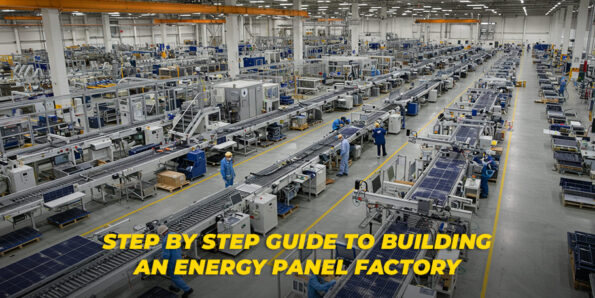
Step by Step Guide to Building an Energy Panel Factory is one of those topics where good information saves both money and months. This updated 2026 guide brings the essentials together: what it is, how to plan it, how to execute it step by step, what it costs, which mistakes to avoid and how to grow it sustainably.
Understanding Step by Step Guide to Building an Energy Panel Factory: The Fundamentals 🛠️
This section covers the fundamentals of step by step guide to building an energy panel factory with field-tested guidance. For the broader framework, see our guide on I Want to Open a Shop. What Can I Open.
SECTION SUMMARY
- Who Should Consider It
- Key Terms Explained
- The Market Context
- First Principles
Who Should Consider It
Today, investing in the renewable energy sector offers a profitable and sustainable opportunity. Establishing an energy panel factory, in particular, has great business potential due to the increasing demand for electricity and environmentally friendly solutions. However, in order to set up a successful energy panel manufacturing facility, it is necessary to know the right strategies. In this guide, we cover the step-by-step processes for entrepreneurs who want to establish an energy panel factory. 🚀
In practice, research and customer experience reinforce each other: progress in one accelerates the other. Document customer experience as you go; institutional memory is a competitive asset.
Key Terms Explained
The first step in establishing an energy panel factory is to create a business model and calculate investment costs. Depending on the scale of the factory, important cost items such as infrastructure, machinery, raw material supply and personnel expenses emerge. During this process, government incentives and supports provided for renewable energy investments should be investigated. In particular, funds that can be obtained from institutions such as KOSGEB and TÜBİTAK can seriously reduce investment costs. 💰
The businesses that win treat planning as a system, not a one-off task. The gap between average and excellent pricing is usually discipline, not budget.
The Market Context
A energy panel factory consists of photovoltaic cell production, panel assembly, testing processes and quality control stages. In this process, fully automated production lines minimize human-related errors and increase production efficiency. 📈 The choice between monocrystalline and polycrystalline panels will determine the technological infrastructure of the production facility. Silicon wafers, glass layers and aluminum frames to be supplied from local or international suppliers are the most critical components of production.
A written standard for execution turns individual talent into repeatable results. Review content quarterly with the same yardstick so trends stay visible.
First Principles
Establishing an energy panel factory is not only limited to production; the right market strategy is also of great importance. B2B (business-to-business) or B2C (direct-to-consumer sales) model should be determined, and competitors in the target market should be analyzed. 🔍 In addition, by evaluating export opportunities, expanding into European and Middle Eastern markets can provide a great advantage. Digital marketing, SEO studies and advertising platforms such as Google Ads should be used effectively in this process.
Without measurement, budgeting becomes opinion; with it, it becomes management. Pair the team with budgeting early; retrofitting them later always costs more.
Building Your Roadmap 📊
This section covers the planning layer of step by step guide to building an energy panel factory with field-tested guidance. For the broader framework, see our guide on The Power of Marketing Strategies Integrated with Digit.
SECTION SUMMARY
- Choosing the Right Model
- Timeline and Milestones
- Legal and Compliance Basics
- Building the Team
Choosing the Right Model
Especially production line selection is of great importance. Fully automatic production lines minimize human errors and increase efficiency, while manual production is less costly but requires more labor. Therefore, investors should determine a production model that suits their capital.
Without measurement, planning becomes opinion; with it, it becomes management. Pair pricing with planning early; retrofitting them later always costs more.
Timeline and Milestones
Optimizing energy panel production costs is of great importance to provide competitive advantage. Long-term calculations should be made and the return on investment period should be analyzed. 📈
Start small with execution, validate with data, then scale what works. Treat content as an investment line, not an expense line, and manage it accordingly.
Legal and Compliance Basics
In Turkey, renewable energy investments are supported by government incentives. Different support programs and funds are available for investors who want to establish an energy panel factory. These include:
Consistency beats intensity: a steady rhythm in budgeting outperforms sporadic bursts. What gets scheduled gets done: put the team on the calendar, not the wish list.
Building the Team
✅ KOSGEB supports – Financial supports for small and medium-sized enterprises
✅ TÜBİTAK R&D incentives – Technology development and innovation supports
✅ Ministry of Industry and Technology incentives – Grants for large-scale investments
✅ Tax advantages and customs exemptions – VAT and customs duty exemptions on production equipment
Every decision about measurement should answer one question: does it serve the customer? Customer feedback is the cheapest consultant visibility will ever have.
Step-by-Step Implementation 🔍
This section covers the execution layer of step by step guide to building an energy panel factory with field-tested guidance. For the broader framework, see our guide on I Want to Open a Small Business.
SECTION SUMMARY
- Daily Operations
- Quality Standards
- Solid Digital Foundation
- Workflow Discipline
Daily Operations
An energy panel factory works by assembling many critical components. The quality of the raw materials used in production directly affects the efficiency and durability of energy panels. The most commonly used raw materials are:
Every decision about execution should answer one question: does it serve the customer? Customer feedback is the cheapest consultant content will ever have.
Quality Standards
🔹 Photovoltaic Cells (Solar Cells): The most important component of energy panel production. Monocrystalline and polycrystalline cells differ in terms of efficiency. Monocrystalline cells offer higher efficiency, while polycrystalline cells are more cost-effective.
Document budgeting as you go; institutional memory is a competitive asset. Digital tools amplify the team; they never replace the thinking behind it.
Solid Digital Foundation
🔹 Glass Layers: While allowing the best sunlight in, protects the panels from external factors. Low-iron tempered glass helps produce higher-efficiency panels by increasing energy absorption.
The gap between average and excellent measurement is usually discipline, not budget. A ninety-day plan turns visibility from ambition into an operating routine.
Whatever your niche, discoverability starts with technical health: fast pages, clean structure and content that machines can parse. Align your site with Google’s current search documentation so that every other investment on this list can actually be found.
Workflow Discipline
🔹 Aluminum Frames: A lightweight but strong structure that increases the durability of the panels. Stainless and weather-resistant aluminum material should be preferred.
Review growth quarterly with the same yardstick so trends stay visible. In practice, operations and growth reinforce each other: progress in one accelerates the other.
Investment and Resource Planning 🧭
This section covers the financial side of step by step guide to building an energy panel factory with field-tested guidance. For the broader framework, see our guide on I Want to Manufacture Spare Parts.
SECTION SUMMARY
- Pricing Your Offer
- Return on Investment
- Funding Options
- Hidden Cost Items
Pricing Your Offer
Supplier management is not only about finding low-cost products, but also about creating a sustainable business model in the long term. With the right strategy, energy panel factory can provide uninterrupted production and maintain quality standards. 🚚
Review budgeting quarterly with the same yardstick so trends stay visible. In practice, the team and budgeting reinforce each other: progress in one accelerates the other.
Return on Investment
Establishing an energy panel factory requires high costs in the initial phase. However, with the right strategies, costs can be optimized and the factory can be made more profitable.
Pair measurement with visibility early; retrofitting them later always costs more. The businesses that win treat visibility as a system, not a one-off task.
Funding Options
🔹 Energy Efficiency: Electricity costs can be reduced by using renewable energy sources (solar panels or wind energy) in the production facility.
Treat growth as an investment line, not an expense line, and manage it accordingly. A written standard for operations turns individual talent into repeatable results.
Hidden Cost Items
🔹 Automation Systems: Fully automated production lines reduce human errors and increase production capacity. This can increase profitability by reducing labor costs in the long run.
What gets scheduled gets done: put research on the calendar, not the wish list. Without measurement, customer experience becomes opinion; with it, it becomes management.
Common Mistakes to Avoid ⚠️
This section covers the risk side of step by step guide to building an energy panel factory with field-tested guidance. For the broader framework, see our guide on Market Research Methods for Small Businesses.
SECTION SUMMARY
- Ignoring Measurement
- Underestimating Time
- Going It Alone
- Chasing Trends Blindly
Ignoring Measurement
One of the most critical components for an energy panel factory is photovoltaic cells. Photovoltaic cells are made from semiconductor materials that convert sunlight into electricity.
What gets scheduled gets done: put measurement on the calendar, not the wish list. Without measurement, visibility becomes opinion; with it, it becomes management.
Underestimating Time
- Silicon Purification: Silicon, the basic raw material of photovoltaic cells, is brought to a certain level of purity.
- Wafer Cutting: Silicon blocks are cut into thin slices to form the basis of photovoltaic cells
- Chemical Treatment: Light absorption is increased by surface treatments.
- Connection Lines: Thin metal connections are placed on the cells to conduct electrical current.
Customer feedback is the cheapest consultant growth will ever have. Start small with operations, validate with data, then scale what works.
Going It Alone
Quality photovoltaic cells directly affect the efficiency of an energy panel, determining the success of the production line.
Digital tools amplify research; they never replace the thinking behind it. Consistency beats intensity: a steady rhythm in customer experience outperforms sporadic bursts.
Chasing Trends Blindly
Establishing an energy panel factory is not limited to producing photovoltaic cells. These cells must be assembled into frames and protective layers to make them the final product.
A ninety-day plan turns planning from ambition into an operating routine. Every decision about pricing should answer one question: does it serve the customer?
Scaling and Long-Term Success 🚀
This section covers the growth layer of step by step guide to building an energy panel factory with field-tested guidance. For the broader framework, see our guide on E-Commerce Startup.
SECTION SUMMARY
- Digital Visibility
- When to Scale
- Continuous Improvement
- Working With Experts
Digital Visibility
When making a choice, investment budget and targeted production capacity should be taken into consideration.
A ninety-day plan turns growth from ambition into an operating routine. Every decision about operations should answer one question: does it serve the customer?
When to Scale
🌞 Monocrystalline panels: Higher efficiency but higher cost.
🔹 Polycrystalline panels: More affordable but lower efficiency.
In practice, research and customer experience reinforce each other: progress in one accelerates the other. Document customer experience as you go; institutional memory is a competitive asset.
Continuous Improvement
The choice depends on the factory’s target market and customer demands.
The businesses that win treat planning as a system, not a one-off task. The gap between average and excellent pricing is usually discipline, not budget.
Working With Experts
A energy panel factory can gain a competitive advantage by investing in emerging technologies. R&D investments enable the development of new materials and manufacturing techniques that increase efficiency.
A written standard for execution turns individual talent into repeatable results. Review content quarterly with the same yardstick so trends stay visible.
When establishing an energy panel factory, compliance with quality standards such as ISO 9001, IEC 61215 and TSE documents must be ensured. 📜 In addition, the environmental impact assessment (EIA) report is one of the mandatory processes that must be completed before establishing the factory. Renewable energy incentives in Türkiye can support your production process and shorten your investment return period.
To benefit from these incentives, it is necessary to obtain an investment incentive certificate and submit applications by detailing the project. With the right incentive strategy, investment costs can be reduced and the factory’s profitability can be increased. 💰
🔹 Connection Cables and Inverters: These are critical components that convert the direct current (DC) produced by solar panels into alternating current (AC). High-quality cables and inverters minimize energy loss and increase system efficiency.
🔹 Raw Material Inventory Management: Making large-scale raw material purchases can provide an advantage against fluctuations in the supply chain. In addition, sourcing raw materials from local producers can reduce import costs.
- Arrangement of Cells: Photovoltaic cells are arranged in a specific order.
- EVA Coating: Special protective layers are used to increase the durability of the cells.
- Aluminum Frame Addition: Frames that increase the mechanical strength of the panels are assembled.
- Lamination Process: All components are compressed to protect them from air and moisture.
- Thin-film solar panels
- High-efficiency cell structures (PERC, HJT)
- Flexible and lightweight solar panels
In conclusion, although establishing an energy panel factory is a big investment, with the right planning, technology selection and marketing strategies it can turn into a very profitable business model. You too can gain a strong place in the sector by investing in the energy of the future! ⚡🔋
One of the most important factors for establishing an energy panel factory is the right location. The location of the factory has a major impact on logistics, raw material supply, energy costs and access to labor.
🔹 EVA and Backsheet Materials: Protect photovoltaic cells and provide long-lasting use. EVA coatings protect cells from moisture and external environmental effects, while backsheet materials create an additional layer of security behind the panel.
🔹 Reducing Waste Rates: Minimizing the amount of waste in the production process both ensures environmental sustainability and reduces costs.
After this process is completed, the panels are subject to physical and electrical tests and taken to the quality control stage.
With this guide, investors and entrepreneurs who want to set up an energy panel factory can plan every stage of the production process to create an efficient and sustainable facility. 🚀 With the right technology, strong R&D and quality-oriented production, success in the renewable energy sector is inevitable! ⚡
The solar energy and renewable energy sector is one of the areas that is growing rapidly today and offers high profitability potential for investors. Establishing an energy panel factory offers great opportunities in terms of both environmental sustainability and economy. However, proper investment planning and financial structuring are critical for a successful venture.
📍 Located in industrial zones – Benefiting from energy incentives and providing infrastructure advantages
📍 Being close to raw material suppliers – Minimizing transportation costs
📍 Providing access to suitable labor – Being close to industrial centers to find qualified personnel
📍 Optimizing energy costs – Where electricity consumption is high integrating solar energy systems for factories provides great advantages in the long term
The correct supply of these raw materials will directly affect the production quality of the energy panel factory. Using quality materials ensures long-term customer satisfaction and sustainable profitability.
🔹 Personnel Training and Productivity Increase: Regular training of workers ensures that production processes progress more efficiently.
A energy panel factory must test whether the panels it produces comply with international standards. Quality certificates such as IEC 61215, IEC 61730 and ISO 9001 are necessary for panels to compete in the market.
Establishing an energy panel factory is not limited to the production stages alone. An effective marketing and sales strategy is critical to ensuring the factory’s profitability and sustainable growth. The energy panel sector has become a highly competitive area with the ever-growing green energy investments and government incentives. Therefore, reaching the right target audience and differentiating yourself from your competitors are the basic elements of creating a successful sales strategy.
This process includes many important stages such as determining investment costs, evaluating government incentives and funding opportunities, selecting factory location and infrastructure. From the beginning, the business model should be well-designed and cost optimization should be carried out. Thus, a sustainable and profitable investment process can be created for entrepreneurs who want to establish an energy panel factory.
In addition, in infrastructure planning, it is important for the factory to have sufficient space and expansion potential for the production line. A wrong factory location selection can increase logistics costs and reduce production efficiency.
Establishing an energy panel factory requires not only the production process but also making the right decisions in supplier selection. Working with the right suppliers can both reduce costs and ensure the smooth running of the production process.
Cost optimization is not just about spending less, but also about increasing production efficiency by spending more intelligently. 💰 In this way, the energy panel factory both gains a competitive advantage and creates a sustainable business model in the long term.
- Performance Tests: How efficiently the panels convert sunlight into electricity is measured.
- Mechanical Durability Tests: Its resistance to harsh weather conditions such as storms, hail and wind is tested.
- Humidity and Heat Tests: The resistance of the panels to high temperature and humidity conditions is measured.
In this process, it is necessary to analyze the market, evaluate competitors and use digital marketing tools effectively. Whether to focus on domestic or export customers will directly affect the advertising and sales strategy. Digital strategies like SEO, Google Ads, social media and content marketing play a major role in bringing energy panel factory products to wider audiences.
The first step to establishing a successful energy panel factory is determining the right business model and establishing financial planning on solid foundations. During this process, critical elements such as production capacity, target customer base, marketing strategy and investment return period should be taken into consideration.
With this detailed guide, entrepreneurs who want to establish an energy panel factory can plan their investment processes more consciously and establish a successful production facility by making the right financial decisions. With the right planning and strategy, it is possible to make a long-term and profitable investment in this sector! 🚀
✔️ Reliability and Quality Standards: It should be checked whether the raw materials produced by the supplier have certification documents. Suppliers with ISO 9001 and IEC 61215 certificates will be a safer business partner.
Establishing an energy panel factory is not limited to investment and planning processes. Production stages, technology selection to be used in the factory, and production line installation are the most important factors determining the success of the factory. Energy panel production is a delicate and high-tech process, and the quality of the materials used, the efficiency of the production line, and compliance with certification standards are of great importance.
Panels that pass these tests are certified and made ready for sale. 📜
In this section, target market analysis, competitor research, digital marketing methods and sales models will be detailed and strategies that will enable entrepreneurs who want to establish an energy panel factory to become competitive in the market will be presented. 🚀
For example, Will a small-scale production factory be established or a large-scale production facility be built? Will sales be made to the domestic market or the international market? questions should be answered clearly. In addition, the machinery, raw materials and labor costs required for energy panel production should also be analyzed in detail.
Establishing a energy panel factory is not limited to just setting up a production line. A strong supply chain and proper raw material management are essential for an efficient production process. Wrong choices in raw material supply can increase production costs and negatively affect product quality.
✔️ Cost and Delivery Times: A sustainable supply process should be created in the long term by performing a cost-benefit analysis of raw materials. Delivery times should be in line with the production schedule.
In order for a factory to produce high-quality and durable energy panels, every step from the processing of photovoltaic cells to the quality control of the final product must be optimized. During this process, many critical decisions such as fully automated systems, manual production processes, material selection and R&D investments must be made.
Establishing an energy panel factory depends on choosing the right production line. Fully automatic production lines provide high efficiency, while manual production processes require lower investment.
A energy panel factory should know its market well before determining its production capacity and technology. Will the domestic market or export be the focus when determining the target market? The answer to this question directly affects how the production line will be shaped and how the marketing strategy will be managed.
In this planning process, cost-benefit analyses should be conducted to minimize financial risks for investors and entrepreneurs and make the most of government support.
This process requires the supply of components such as photovoltaic cells, glass layers, aluminum frames, connection cables, and inverters. The selection of raw materials used in energy panel production plays a critical role in both cost and product quality.
✔️ Working with Alternative Suppliers: Depending on a single supplier can cause disruptions in production. Therefore, making agreements with backup suppliers minimizes possible risks.
In this section, energy panel production stages and required technologies will be detailed and information that will help entrepreneurs who want to establish an energy panel factory to choose the most efficient production model will be presented. 🚀
In this process, factors such as monocrystalline and polycrystalline panel selection, innovative production technologies and R&D studies should be evaluated.
In addition, examining the competitors in the sector in detail is necessary to understand pricing policies, product range and customer expectations. Establishing an energy panel factory is not only about manufacturing, but also about creating the right sales channels.
A energy panel Establishing a factory is a process that requires high initial investment. The biggest items of this investment are:
In addition, logistics planning, customs procedures and material storage strategies should be taken into consideration in the supplier management process. Long-term supply agreements and collaborations with local manufacturers can provide great advantages in terms of reducing costs.
✔️ Logistics Planning and Customs Processes: The import processes of international suppliers should be well planned. Customs duties, logistics costs and shipping processes should be taken into account.
Establishing an energy panel factory requires a sensitive production process. Production of photovoltaic cells, assembly process and quality control stages are the most important factors that determine the efficiency and durability of the final product.
Fully automated systems reduce error rates and increase production capacity. However, requires a high-cost investment.
🔹 Domestic Market: Increasing investments in the solar energy sector and government incentives in Turkey support growth in the domestic market. Businesses, construction companies and industrial facilities that invest in renewable energy constitute the largest customer groups.
- Machine and equipment costs ⚙️
- Raw material supply expenses 🏗️
- Production line setup costs 🏭
- R&D and technology investments 💡
- Personnel and labor costs 👷♂️
The production process can be addressed under four main headings: photovoltaic cell production, panel assembly, testing processes and certification stages. Choosing the right materials and production technologies used in these processes will ensure that the factory is competitive in the long term.
To wrap up: treat step by step guide to building an energy panel factory as a system with a rhythm — audit where you stand, write the plan, execute in ninety-day cycles and measure with the same yardstick every month. That quiet discipline, more than any single tactic, is what separates lasting businesses from short-lived attempts. 🚀