
Strategies to Increase Company Performance with PESTEL Analysis
Strategies to Increase Company Performance with PESTEL Analysis is one of those topics where good information saves both money and months. This updated 2026 guide brings the essentials together: what it is, how to plan it, how to execute it step by step, what it costs, which mistakes to avoid and how to grow it sustainably.
Core Concepts and Definitions 🛠️
This section covers the fundamentals of strategies to increase company performance with pestel analysis with field-tested guidance. For the broader framework, see our guide on Digital Transformation Consultancy Company And Agency.
SECTION SUMMARY
- Why It Matters in 2026
- Who Should Consider It
- Key Terms Explained
- The Market Context
Why It Matters in 2026
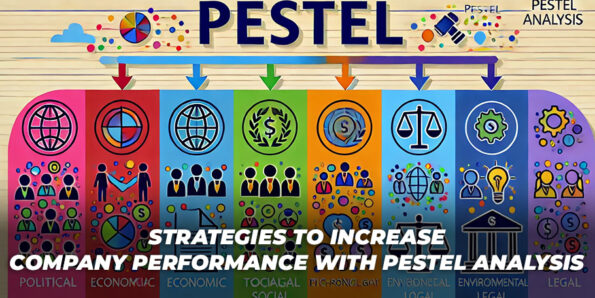
PESTEL analysis is a comprehensive tool that helps companies understand their external environment and shape their strategic decisions accordingly. This analysis, which includes Political, Economic, Social, Technological, Environmental and Legal factors, allows companies to develop effective strategies to increase their performance.
What gets scheduled gets done: put research on the calendar, not the wish list. Without measurement, customer experience becomes opinion; with it, it becomes management.
Who Should Consider It
First, political factors can directly affect companies’ activities. Factors such as laws, regulations, government policies and political stability shape companies’ operations and strategies. For example, government incentive policies or tax regulations may influence companies’ investment decisions. Therefore, constantly monitoring the political environment and being able to quickly adapt to these changes plays a critical role in increasing company performance.
Customer feedback is the cheapest consultant planning will ever have. Start small with pricing, validate with data, then scale what works.
Key Terms Explained
Economic factors are important factors that directly affect the financial performance of companies. Indicators such as inflation, interest rates, exchange rates and economic growth rates determine the profitability and financial sustainability of companies. For example, high inflation rates can increase costs, narrowing profit margins. Therefore, following economic indicators closely and shaping financial strategies accordingly is of great importance in optimizing company performance.
Digital tools amplify execution; they never replace the thinking behind it. Consistency beats intensity: a steady rhythm in content outperforms sporadic bursts.
The Market Context
Social factors include elements such as consumer behavior, demographic changes and cultural trends. Understanding consumer demands and expectations plays a critical role in determining effective marketing strategies. For example, the increasing demand for sustainable products requires companies to develop environmentally friendly production and marketing strategies. Closely monitoring such social trends and adapting strategies accordingly helps companies gain a competitive advantage.
A ninety-day plan turns budgeting from ambition into an operating routine. Every decision about the team should answer one question: does it serve the customer?
Planning and Strategy 📊
This section covers the planning layer of strategies to increase company performance with pestel analysis with field-tested guidance. For the broader framework, see our guide on Market Research Consultancy and New Market Entry.
SECTION SUMMARY
- Research Before You Start
- Choosing the Right Model
- Timeline and Milestones
- Legal and Compliance Basics
Research Before You Start
🌟 PESTEL analysis systematically evaluates these factors, helping companies understand their external environment and shape their strategic decisions accordingly. This analysis is an effective tool in improving company performance and is the key to long-term success.
A ninety-day plan turns planning from ambition into an operating routine. Every decision about pricing should answer one question: does it serve the customer?
Choosing the Right Model
The success of companies depends not only on their internal dynamics but also on external environmental factors. Political factors are among these external environmental elements and can significantly affect company performance. The variability of the political environment, laws, government policies and regulations are factors that directly affect companies’ operations and strategic decisions.
In practice, execution and content reinforce each other: progress in one accelerates the other. Document content as you go; institutional memory is a competitive asset.
Timeline and Milestones
Legal and Regulatory Changes are one of the important political factors that companies must adapt to. Governments can enact various laws and regulations to achieve their economic and social goals. These regulations may be in areas such as tax policies, labor laws, environmental protection regulations and trade policies. For example, a new environmental law may require changes to production processes, which can increase costs and affect the company’s profitability.
The businesses that win treat budgeting as a system, not a one-off task. The gap between average and excellent the team is usually discipline, not budget.
Legal and Compliance Basics
Political Stability and Uncertainty is a critical factor affecting companies’ long-term plans. Political stability increases investor confidence and supports economic growth. However, political uncertainty and instability can negatively affect markets and complicate companies’ investment decisions. Particularly in developing countries, government changes and political turmoil can make the business environment uncertain. Such situations require companies to strengthen their risk management strategies and be flexible.
A written standard for measurement turns individual talent into repeatable results. Review visibility quarterly with the same yardstick so trends stay visible.
Putting It Into Practice 🔍
This section covers the execution layer of strategies to increase company performance with pestel analysis with field-tested guidance. For the broader framework, see our guide on Market Analysis Consultancy and New Market Entry.
SECTION SUMMARY
- Tools and Infrastructure
- Daily Operations
- Quality Standards
- Solid Digital Foundation
Tools and Infrastructure
The impact of political factors on companies makes risk management strategies inevitable. Risk management is a critical tool for companies to cope with political uncertainties. These strategies enable companies to be more resilient to political risks and maintain operational continuity.
A written standard for execution turns individual talent into repeatable results. Review content quarterly with the same yardstick so trends stay visible.
Daily Operations
First, the political environment must be constantly monitored and analyzed. Companies can be prepared for possible risks by following political changes and trends. This means understanding new government laws and regulations and evaluating the impact of these changes on business operations.
Without measurement, budgeting becomes opinion; with it, it becomes management. Pair the team with budgeting early; retrofitting them later always costs more.
Quality Standards
Diversification strategy is another important way to manage political risks. By diversifying the markets and product portfolios in which they operate, companies can reduce the impact of political uncertainties that may occur in a particular region or sector. For example, a company operating in different geographic regions may be able to offset the negative effects of political changes in one country with revenues from other markets.
Start small with measurement, validate with data, then scale what works. Treat visibility as an investment line, not an expense line, and manage it accordingly.
Solid Digital Foundation
Localization is an effective strategy in risk management. By building strong relationships with local governments and communities, companies can be more resilient to political changes. This increases the ability to comply with local regulations and respond to the needs of local people.
Consistency beats intensity: a steady rhythm in growth outperforms sporadic bursts. What gets scheduled gets done: put operations on the calendar, not the wish list.
Whatever your niche, discoverability starts with technical health: fast pages, clean structure and content that machines can parse. Align your site with Google’s current search documentation so that every other investment on this list can actually be found.
Costs, Budget and Resources 🧭
This section covers the financial side of strategies to increase company performance with pestel analysis with field-tested guidance. For the broader framework, see our guide on What is Foreign Trade Consulting.
SECTION SUMMARY
- Ongoing Expenses
- Pricing Your Offer
- Return on Investment
- Funding Options
Ongoing Expenses
Analysis of economic indicators is vital for businesses within the scope of PESTEL analysis. These indicators directly affect the strategic decisions and financial performance of companies. Economic indicators include inflation, interest rates, exchange rates and economic growth rates, and careful monitoring of these indicators helps companies improve their risk management strategies and opportunity assessments.
Consistency beats intensity: a steady rhythm in budgeting outperforms sporadic bursts. What gets scheduled gets done: put the team on the calendar, not the wish list.
Pricing Your Offer
Inflation refers to the continuous increase in the general level of prices. In PESTEL analysis, high inflation rates may increase companies’ production costs and narrow their profit margins. For example, an increase in raw material costs may cause product prices to rise. In this case, customers’ purchasing power may decrease and demand may shrink. Therefore, it is of great importance to constantly monitor inflation rates and adjust pricing strategies accordingly.
Every decision about measurement should answer one question: does it serve the customer? Customer feedback is the cheapest consultant visibility will ever have.
Return on Investment
Interest rates affect companies’ borrowing costs and investment decisions. Low interest rates enable companies to obtain loans and finance their investments at lower costs. However, high interest rates can increase borrowing costs, making investment decisions difficult. Within the scope of PESTEL analysis, it is important for companies to carefully manage their financial plans and budgets.
Document growth as you go; institutional memory is a competitive asset. Digital tools amplify operations; they never replace the thinking behind it.
Funding Options
Exchange rates are a critical indicator, especially for companies that export and import. Fluctuations in exchange rates can affect the costs and revenues of companies trading internationally. An increase in the exchange rate may disrupt the cost structure of companies by increasing import costs. At the same time, exchange rate increases can provide a competitive advantage for exporting companies. Therefore, it is important to constantly monitor exchange rates and use appropriate financial instruments to manage exchange rate risks.
The gap between average and excellent research is usually discipline, not budget. A ninety-day plan turns customer experience from ambition into an operating routine.
Pitfalls and How to Prevent Them ⚠️
This section covers the risk side of strategies to increase company performance with pestel analysis with field-tested guidance. For the broader framework, see our guide on What is a Digital Agency.
SECTION SUMMARY
- Skipping the Research Phase
- Ignoring Measurement
- Underestimating Time
- Going It Alone
Skipping the Research Phase
Investment in productivity-enhancing technologies plays a critical role in minimizing the negative effects of inflation. These technologies make production processes more efficient, reducing costs and increasing the competitiveness of companies. For example, automation systems and artificial intelligence applications can keep costs under control by speeding up business processes and reducing error rates.
The gap between average and excellent measurement is usually discipline, not budget. A ninety-day plan turns visibility from ambition into an operating routine.
Ignoring Measurement
🌍 During periods of high inflation, it is of great importance for companies to focus on cost control and efficiency-enhancing measures for long-term sustainability and profitability. By carefully evaluating the effects of inflation in PESTEL analysis, companies can shape their strategic plans and operational processes accordingly.
Review growth quarterly with the same yardstick so trends stay visible. In practice, operations and growth reinforce each other: progress in one accelerates the other.
Underestimating Time
In this context, PESTEL analysis analyzes different aspects of the economy, enabling companies to be prepared for external environmental factors and to make strategic decisions in line with these analyses. Carefully monitoring and analyzing indicators such as inflation, interest rates, exchange rates and economic growth rates ensures the long-term success of companies.
Pair research with customer experience early; retrofitting them later always costs more. The businesses that win treat customer experience as a system, not a one-off task.
Going It Alone
Social trends influence the strategic decisions of businesses by shaping consumer behaviors and preferences. Examining social factors within the scope of PESTEL analysis is of critical importance to increase the market share of businesses. Monitoring and adapting to social trends helps companies gain a competitive advantage.
Treat planning as an investment line, not an expense line, and manage it accordingly. A written standard for pricing turns individual talent into repeatable results.
Growth, Measurement and Next Steps 🚀
This section covers the growth layer of strategies to increase company performance with pestel analysis with field-tested guidance. For the broader framework, see our guide on What Does a Digital Agency Do.
SECTION SUMMARY
- Building Repeat Business
- Digital Visibility
- When to Scale
- Continuous Improvement
Building Repeat Business
Sustainability and Environmental Awareness are among the priorities of today’s consumers. Environmentally friendly products and sustainable production methods are preferred by consumers. Companies acting in accordance with the principle of environmental sustainability and offering products and services accordingly can be effective in increasing market share. Monitoring sustainability trends within the scope of PESTEL analysis and integrating these trends into strategies ensures long-term success.
Treat growth as an investment line, not an expense line, and manage it accordingly. A written standard for operations turns individual talent into repeatable results.
Digital Visibility
Social media trends are one of the important elements that shape the marketing strategies of businesses. Social media is an effective way to communicate directly with consumers and increase brand awareness. Monitoring social media trends in PESTEL analysis and integrating these trends into strategies helps companies gain competitive advantage.
What gets scheduled gets done: put research on the calendar, not the wish list. Without measurement, customer experience becomes opinion; with it, it becomes management.
When to Scale
Social media platforms offer businesses the opportunity to reach a wide audience and interact with their target audience. Influencer marketing is one of these trends. Influencers have large follower bases and play an effective role in promoting products and services. By collaborating with influencers, companies can increase brand awareness and reach new customers. Integrating influencer marketing into strategies within the scope of PESTEL analysis is an effective way to increase market share.
Customer feedback is the cheapest consultant planning will ever have. Start small with pricing, validate with data, then scale what works.
Continuous Improvement
Interaction and Feedback is another important dimension of social media use. Consumers can give feedback about products and services via social media. This feedback helps companies understand customer expectations and improve their products. Actively following consumer feedback on social media and taking action accordingly can increase customer satisfaction and loyalty.
Digital tools amplify execution; they never replace the thinking behind it. Consistency beats intensity: a steady rhythm in content outperforms sporadic bursts.
Technological factors include innovation and digitalization processes. Following technological developments closely and integrating these innovations into business processes increases the efficiency and competitiveness of companies. For example, artificial intelligence and automation technologies can reduce costs and improve customer experience by increasing operational efficiency. Therefore, adopting technological innovations and integrating them into business processes is an important strategy to increase company performance.
Subsidies and Incentives are tools that governments use to support certain sectors. These subsidies and incentives can reduce companies’ costs and provide a competitive advantage. For example, incentives given to the renewable energy sector can support the growth of companies operating in this field. Taking advantage of such opportunities should have an important place in companies’ strategic plans.
Finally, scenario planning and creating contingency plans enable companies to react quickly to unexpected political changes. Such plans evaluate the possible effects of various political scenarios and determine the measures to be taken in response to these scenarios. Thus, companies are prepared for sudden political changes and minimize operational disruptions.
Economic growth rates are an important indicator of a country’s economic performance. High economic growth supports increased demand and job opportunities. This allows companies to increase sales and enter new markets. However, during periods of economic recession, demand may decrease and companies’ profitability may be negatively affected. Monitoring economic growth rates in PESTEL analysis and adjusting business strategies accordingly ensures sustainable growth of businesses.
Consumer behavior is constantly changing. New generation consumers prefer brands that are environmentally friendly, care about ethical values and adapt to digitalization. Monitoring social trends in PESTEL analysis enables companies to develop strategies that can respond to these changing expectations. For example, increasing demand for sustainable products requires companies to switch to environmentally friendly production methods.
🎯 Monitoring social media trends and integrating these trends into strategies allows companies to gain a competitive advantage. Taking social media trends into account in PESTEL analysis plays a critical role in increasing market share. Therefore, it is important for companies to establish a strong bond with consumers by using social media platforms effectively and shape their marketing strategies accordingly.
Environmental factors include sustainability and environmentally friendly practices. Climate change, natural resource depletion and environmental regulations affect companies’ operations and strategies. Companies that fulfill environmental responsibilities and act in accordance with sustainability principles both increase their reputation and avoid legal risks. Therefore, developing strategies taking environmental factors into account positively affects company performance.
Lobbying Activities and Political Interaction is one of the methods used by companies to protect and support their interests. By communicating directly with government officials and policymakers, companies can try to ensure that laws and regulations are in their favor. Such activities can be an important strategy, especially for large and influential companies. However, it is critical that lobbying activities remain within ethical and legal limits in order to protect the company’s reputation.
🎯 Since political factors have a great impact on company performance, management strategies developed taking these factors into consideration guarantee the long-term success and sustainability of companies.
The impact of inflation on companies should be carefully examined within the scope of PESTEL analysis. Inflation means a constant increase in the general price level of goods and services and directly affects the cost structure of businesses. High inflation can increase companies’ production costs, narrowing their profit margins. This situation becomes especially evident in sectors where raw material and labor costs rise rapidly.
Digitalization and Social Media Usage is one of today’s most important social trends. Social media platforms are an effective way to communicate directly with consumers and increase brand awareness. Companies can constantly improve their products and services by following consumer feedback on social media. Monitoring digitalization trends within the scope of PESTEL analysis and integrating these trends into strategies is an important way to increase market share.
Consequently, careful examination of social factors within PESTEL analysis allows businesses to develop effective strategies to increase market share. Monitoring and adapting to social trends helps companies gain a competitive advantage and ensure long-term success.
Finally, legal factors refers to legal regulations and regulations. It is critical for companies to ensure legal compliance and minimize legal risks for operational continuity and reputation. Following and complying with legal requirements ensures the long-term success of companies.
Since political factors have a great impact on company performance, it is vital to develop management strategies that take these factors into consideration. Companies must constantly monitor the political environment, adapt quickly to changes and strengthen risk management strategies. Additionally, taking advantage of government incentives and conducting lobbying activities within ethical boundaries can increase companies’ competitive advantage.
To manage the effects of inflation, companies must optimize their cost structures and carefully determine their pricing strategies. For example, a strategic approach might be to gradually increase product prices or take cost-cutting measures to offset cost increases. At the same time, investing in efficiency-enhancing technologies is important to control costs.
Social Responsibility and Ethical Values play an important role in consumers’ brand preferences. Consumers prefer brands that contribute to society and adhere to ethical values. Therefore, companies investing in social responsibility projects and adopting ethical business practices can increase customer loyalty. Following social responsibility trends within PESTEL analysis and developing strategies accordingly can increase the reputation and market share of companies.
To wrap up: treat strategies to increase company performance with pestel analysis as a system with a rhythm — audit where you stand, write the plan, execute in ninety-day cycles and measure with the same yardstick every month. That quiet discipline, more than any single tactic, is what separates lasting businesses from short-lived attempts. 🚀