
Business Start-up Strategies for Manufacturing and Selling Educational Tools
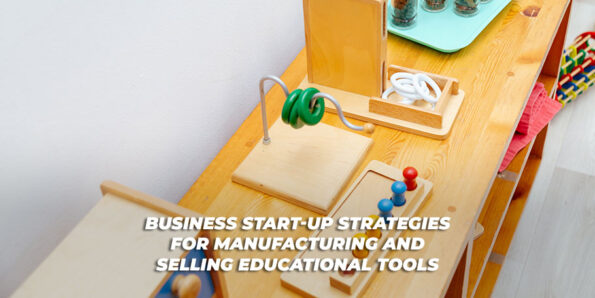
Business Start-up Strategies for Manufacturing and Selling Educational Tools is one of those topics where good information saves both money and months. This updated 2026 guide brings the essentials together: what it is, how to plan it, how to execute it step by step, what it costs, which mistakes to avoid and how to grow it sustainably.
Core Concepts and Definitions 🛠️
This section covers the fundamentals of business start-up strategies for manufacturing and selling educational tools with field-tested guidance. For the broader framework, see our guide on What Are the Types of Digital Agency.
SECTION SUMMARY
- Why It Matters in 2026
- Who Should Consider It
- Key Terms Explained
- The Market Context
Why It Matters in 2026
The production and sale of educational tools stands out as a business idea that both adds value to society and provides profit for entrepreneurs. In today’s world where the demand for quality products for the education sector is increasing day by day, it is of great importance for entrepreneurs who want to enter this field to create an effective strategy. It is possible to achieve success by taking the right steps at every stage from the production process to sales and marketing.
Start small with research, validate with data, then scale what works. Treat customer experience as an investment line, not an expense line, and manage it accordingly.
Who Should Consider It
Before starting the production of educational tools, you need to analyze your target audience and the needs in the market. Determining product groups that can appeal to different customer segments such as schools, nurseries, individual teachers and parents forms the basis of your business. Montessori materials, STEM educational tools, wooden toys and other innovative products can provide you with a strong start in this field. In addition, you should take care to ensure that the materials to be used in the production process are environmentally friendly, safe and long-lasting. Durability of educational tools plays a critical role in customer satisfaction and brand reliability.
Consistency beats intensity: a steady rhythm in planning outperforms sporadic bursts. What gets scheduled gets done: put pricing on the calendar, not the wish list.
Key Terms Explained
When setting up your production facility, make sure that the area is large enough and has the infrastructure to support the production processes. The necessary machines and equipment should be selected according to your production capacity and product variety. Quality control mechanisms ensure that your products comply with standards and increase customer satisfaction. By adopting sustainable methods in production, you can both reduce your costs and create an environmentally friendly brand image.
Every decision about execution should answer one question: does it serve the customer? Customer feedback is the cheapest consultant content will ever have.
The Market Context
Marketing strategies are indispensable for the growth of your business and reaching your customer base. Being present on digital platforms is very effective for educational tool sales. You can reach a wider audience by promoting your products through e-commerce sites, social media platforms and sectoral networks. Communicating directly with teachers and educational institutions in particular, understanding their needs and offering solutions accordingly will help you build customer loyalty. In addition, preparing informative materials that show how to use your products with educational videos and content will make it easier for your brand to be noticed.
Document budgeting as you go; institutional memory is a competitive asset. Digital tools amplify the team; they never replace the thinking behind it.
Planning and Strategy 📊
This section covers the planning layer of business start-up strategies for manufacturing and selling educational tools with field-tested guidance. For the broader framework, see our guide on What are the services offered by digital agencies.
SECTION SUMMARY
- Research Before You Start
- Choosing the Right Model
- Timeline and Milestones
- Legal and Compliance Basics
Research Before You Start
Educational tools production is a very profitable sector for entrepreneurs who want to both add value to society and create a sustainable business model. As Adapte Digital, we offer important information to guide you in your entrepreneurship process. Before you start producing educational tools, there are many important points to consider in the planning phase. In this article, we share tips for you to manage the process more effectively and efficiently. 🚀
Document planning as you go; institutional memory is a competitive asset. Digital tools amplify pricing; they never replace the thinking behind it.
Choosing the Right Model
When you’re getting into educational tools production, choosing the right equipment is one of the cornerstones of your success. The machinery you’ll need will vary depending on the type of product you want to produce. For example:
The gap between average and excellent execution is usually discipline, not budget. A ninety-day plan turns content from ambition into an operating routine.
Timeline and Milestones
- CNC machines and laser cutting devices for wooden materials,
- Injection machines for plastic and polymer products,
- Special cutting and assembly devices for precision designs such as Montessori sets.
Review budgeting quarterly with the same yardstick so trends stay visible. In practice, the team and budgeting reinforce each other: progress in one accelerates the other.
Legal and Compliance Basics
When choosing this equipment, consider not only the cost, you should also consider efficiency, energy consumption and maintenance requirements. The right investment will give you an advantage in terms of both cost and quality in the long run. ⚙️
Pair measurement with visibility early; retrofitting them later always costs more. The businesses that win treat visibility as a system, not a one-off task.
Putting It Into Practice 🔍
This section covers the execution layer of business start-up strategies for manufacturing and selling educational tools with field-tested guidance. For the broader framework, see our guide on What is market research.
SECTION SUMMARY
- Tools and Infrastructure
- Daily Operations
- Quality Standards
- Solid Digital Foundation
Tools and Infrastructure
When choosing materials, be sure to pay attention to child safety and compliance with international standards. Using environmentally friendly materials both gains the trust of consumers and increases the value of your brand. 🌿
Pair execution with content early; retrofitting them later always costs more. The businesses that win treat content as a system, not a one-off task.
Daily Operations
When setting up a manufacturing facility, proper location and infrastructure planning are critical. When determining your production area, you should consider the following elements:
Treat budgeting as an investment line, not an expense line, and manage it accordingly. A written standard for the team turns individual talent into repeatable results.
Quality Standards
- Adequacy of Physical Space: Choose a space large enough for the comfortable placement of equipment and ergonomic work areas.
- Logistic Convenience: Choosing a strategic location for the supply of raw materials and distribution of products reduces your operational costs.
- Legal Requirements: Don’t forget to establish a facility that complies with occupational safety and environmental regulations.
What gets scheduled gets done: put measurement on the calendar, not the wish list. Without measurement, visibility becomes opinion; with it, it becomes management.
Solid Digital Foundation
Your workshop space should be compatible with modern requirements such as sustainable production and energy saving. This way, you can manage your business processes in a more environmentally friendly and effective way. 🌍
Customer feedback is the cheapest consultant growth will ever have. Start small with operations, validate with data, then scale what works.
Whatever your niche, discoverability starts with technical health: fast pages, clean structure and content that machines can parse. Align your site with Google’s current search documentation so that every other investment on this list can actually be found.
Costs, Budget and Resources 🧭
This section covers the financial side of business start-up strategies for manufacturing and selling educational tools with field-tested guidance. For the broader framework, see our guide on What are the benefits of doing market research.
SECTION SUMMARY
- Ongoing Expenses
- Pricing Your Offer
- Return on Investment
- Funding Options
Ongoing Expenses
Educational tools production requires reaching the right target audience and creating an effective marketing strategy, as well as developing quality products. As Adapte Dijital, we help you grow your business with strategies that will make a difference in the digital world. 🚀 Here are effective marketing methods and practices that will bring your educational tools together with your target audience:
Customer feedback is the cheapest consultant budgeting will ever have. Start small with the team, validate with data, then scale what works.
Pricing Your Offer
Market research is one of the cornerstones of being successful in the production and sale of educational tools. You can define your target audience more clearly by following these steps:
Digital tools amplify measurement; they never replace the thinking behind it. Consistency beats intensity: a steady rhythm in visibility outperforms sporadic bursts.
Return on Investment
- Demographic Analysis: Analyze the characteristics of your customers such as age, gender, income level and geographic location. For example, Montessori tools are typically appealing to parents of children ages 3-7.
- Competitor Analysis: Develop a differentiation strategy by examining your competitors’ products, prices, and marketing methods.
- Surveys and Feedback: Conduct online surveys to understand the needs of your potential customers. This way, you can determine which products you should focus on during the production process.
A ninety-day plan turns growth from ambition into an operating routine. Every decision about operations should answer one question: does it serve the customer?
Funding Options
Knowing your target audience increases the effectiveness of your marketing strategies and puts you one step ahead in the industry. 🏆
In practice, research and customer experience reinforce each other: progress in one accelerates the other. Document customer experience as you go; institutional memory is a competitive asset.
Pitfalls and How to Prevent Them ⚠️
This section covers the risk side of business start-up strategies for manufacturing and selling educational tools with field-tested guidance. For the broader framework, see our guide on What is KVKK Consultancy Agency.
SECTION SUMMARY
- Skipping the Research Phase
- Ignoring Measurement
- Underestimating Time
- Going It Alone
Skipping the Research Phase
These types of collaborations help position your brand more strongly in the education sector. 📘
In practice, measurement and visibility reinforce each other: progress in one accelerates the other. Document visibility as you go; institutional memory is a competitive asset.
Ignoring Measurement
Social media is a unique platform to promote your educational tools. With the right strategies, you can reach your products to a wide audience:
The businesses that win treat growth as a system, not a one-off task. The gap between average and excellent operations is usually discipline, not budget.
Underestimating Time
- Impressive Visuals and Videos: Promote your products with creative content. Videos, especially those where children interact with the products, attract great attention. 🎥
- Content for Parents: You can share how your products contribute to children’s learning processes. For example, create a content that emphasizes how a Montessori set improves your child’s motor skills. 👶
- Interactive Campaigns: Hold contests to engage with your followers or answer questions about products in the comments.
A written standard for research turns individual talent into repeatable results. Review customer experience quarterly with the same yardstick so trends stay visible.
Going It Alone
Social media is a great tool not only for promotion, but also for collecting customer feedback and guiding your development processes. 🌟
Without measurement, planning becomes opinion; with it, it becomes management. Pair pricing with planning early; retrofitting them later always costs more.
Growth, Measurement and Next Steps 🚀
This section covers the growth layer of business start-up strategies for manufacturing and selling educational tools with field-tested guidance. For the broader framework, see our guide on What is market analysis.
SECTION SUMMARY
- Building Repeat Business
- Digital Visibility
- When to Scale
- Continuous Improvement
Building Repeat Business
Without measurement, growth becomes opinion; with it, it becomes management. Pair operations with growth early; retrofitting them later always costs more.
Digital Visibility
You can watch our founder Gürbüz Özdem’s Digital Consulting and Digitalization video to get detailed information.
Start small with research, validate with data, then scale what works. Treat customer experience as an investment line, not an expense line, and manage it accordingly.
When to Scale
Planning the sale of educational materials and creating an effective strategy is as critical to the success of your business as producing them. As Adapte Dijital, we offer the guidance you need to best position your educational materials in online and physical store sales channels. 📚 You can grow your business and expand your customer base with the right steps in both the digital world and physical retail. Here are the methods that will make you effective in selling educational materials:
Consistency beats intensity: a steady rhythm in planning outperforms sporadic bursts. What gets scheduled gets done: put pricing on the calendar, not the wish list.
Continuous Improvement
Online sales are an essential option for products with a wide target audience, such as educational materials. Promoting and selling your products on digital platforms both increases your customer reach and allows you to optimize your logistics processes. Here are some tips for success in e-commerce:
Every decision about execution should answer one question: does it serve the customer? Customer feedback is the cheapest consultant content will ever have.
Diversifying your sales channels is important for the sustainability of your business. In addition to e-commerce, you can create physical sales points by collaborating with local stores. Establishing a reliable infrastructure in online sales and offering services such as fast delivery, easy return policies and effective customer support will increase customer satisfaction. In addition, you should make sure that your pricing strategies are both competitive and profitable. You can reach more customers with sales-increasing methods such as campaigns, promotions and bundled sales.
The success of your products is directly proportional to the quality of the materials used. The most commonly preferred types of materials in educational tools are:
Quality control is vital for your brand’s reliability and customer satisfaction. You can guarantee quality by applying the following methods during the production process:
The target audience of educational tools is usually educational institutions, teachers, and parents. One of the most effective ways to reach this audience is to develop direct partnerships. Here are some suggestions:
Digital marketing is the key to success in a sector with a large target audience, such as educational tools. You can use the following methods to bring your business to the forefront in the digital world:
- Create a Professional Website: Your website should be a structure that promotes your products and inspires confidence in customers. Product descriptions should be detailed, images should be high-quality, and payment processes should be secure. 💻
- Join Popular E-Commerce Platforms: You can reach a wider customer base by opening a store on platforms like Trendyol, Hepsiburada and Etsy. These platforms provide direct access to your target audience.
- Do SEO and Advertising Work: You can rank higher in Google searches by doing SEO work for your website. You can also increase your sales with Google Ads and social media ads.
The branding process is a determining factor for long-term success in the educational tools sector. The story of your brand and the values it offers attract the attention of your customers as much as the quality of your products. Original designs and innovative approaches help you stand out from your competitors. In addition, developing your products by taking customer feedback into account and providing continuous improvement increases the trust in your brand. Being a reliable brand in the education sector will make you a preferred business partner.
- Wood: Its durability, environmentally friendly structure and aesthetic appearance are at the forefront. It is frequently used in Montessori educational tools.
- Plastic: It is a lightweight and economical option and is frequently preferred in STEM sets.
- Fabric and Textile Products: It is especially ideal for preschool play sets.
- Compliance with Standards: Manufacture your products in accordance with international standards such as CE, ISO or ASTM.
- Regular Tests: Conduct periodic checks to test the durability and safety of products.
- Customer Feedback: Take your customers’ opinions into consideration during the product development process.
- Partner with Schools and Nurseries: You can get large orders by introducing your products to schools and nurseries. You can also encourage collaboration by offering free promotional samples. 🎒
- Teacher Training Programs: You can organize seminars or workshops that show how to use your products. These events help teachers gain confidence in your products.
- Referral Programs: You can create a rewards program that encourages your existing customers to refer you. For example, you can offer special discounts for every new customer you refer to a school.
- SEO (Search Engine Optimization): You can increase your visibility in search engines by using keywords correctly in content that promotes your products. For example, terms such as “Montessori educational set” or “STEM tools sales” allow your target audience to find you easily. 📈
- Google Ads: You can reach your target audience quickly with well-designed advertising campaigns. With ads designed especially for teachers, schools and parents, it is possible to achieve high conversion at low cost.
- Social Media Ads: Educational tools are visually appealing products. You can reach a wide audience by promoting your products with impressive photos and videos on platforms such as Instagram and Facebook.
Online sales work like a 24/7 store and give you the chance to deliver your products to customers all over the world. 🌐
In conclusion, creating a successful strategy for entrepreneurs who want to enter the business of manufacturing and selling educational tools requires careful planning and effective implementation. Understanding the needs of your target audience, developing the right products and following an effective marketing strategy will allow you to grow your business. Your contribution to the education sector will both increase the success of your business and create value for society.
Remember, quality control is not only a preference but also a necessity for products such as educational tools that target children. ✔️
Remember, creating a strong presence in the digital world increases your brand’s awareness and ensures customer loyalty. 🌐
To wrap up: treat business start-up strategies for manufacturing and selling educational tools as a system with a rhythm — audit where you stand, write the plan, execute in ninety-day cycles and measure with the same yardstick every month. That quiet discipline, more than any single tactic, is what separates lasting businesses from short-lived attempts. 🚀