
What is the Main Purpose of Value Stream Mapping (VSM)?
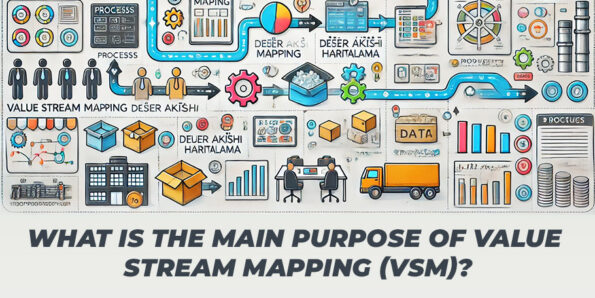
What is the Main Purpose of Value Stream Mapping (VSM) is one of those topics where good information saves both money and months. This updated 2026 guide brings the essentials together: what it is, how to plan it, how to execute it step by step, what it costs, which mistakes to avoid and how to grow it sustainably.
Understanding What is the Main Purpose of Value Stream Mapping (VSM): The Fundamentals 🛠️
This section covers the fundamentals of what is the main purpose of value stream mapping (vsm) with field-tested guidance. For the broader framework, see our guide on What are the features of digitization.
SECTION SUMMARY
- The Market Context
- First Principles
- What It Really Means
- Why It Matters in 2026
The Market Context
Value stream mapping (VSM) is a powerful tool used by businesses to make their processes more efficient and increase customer satisfaction. The main purpose of this method is to detect and eliminate waste by visualizing all processes of the business. Value stream mapping provides process improvements by identifying activities that do and do not create value at each step.
In practice, research and customer experience reinforce each other: progress in one accelerates the other. Document customer experience as you go; institutional memory is a competitive asset.
First Principles
VSM helps businesses analyze their current situation and design a more effective process in the future. 🚀 In this way, businesses can respond to customer demands faster and gain a competitive advantage. Value stream mapping allows businesses to not only improve processes but also optimize resource usage.
The businesses that win treat planning as a system, not a one-off task. The gap between average and excellent pricing is usually discipline, not budget.
What It Really Means
Value stream includes all the steps of businesses’ products or services from the beginning until they reach the customer. Each of these steps creates value for the customer, directly or indirectly. However, waste elements among these steps reduce the efficiency of the process. Value stream mapping plays a critical role in identifying and eliminating this waste. In particular, eliminating waste such as unnecessary waiting times, excess stock and unnecessary transportation reduces the costs of businesses and speeds up processes.
A written standard for execution turns individual talent into repeatable results. Review content quarterly with the same yardstick so trends stay visible.
Why It Matters in 2026
Another important goal of VSM is to promote a culture of continuous improvement. Value stream mapping enables employees to continuously identify and implement improvements in processes. This culture increases the adaptability of the business and enables it to respond quickly to changing market conditions. Continuous improvement is vital for businesses to achieve sustainable competitive advantage in the long term. 🌟
Without measurement, budgeting becomes opinion; with it, it becomes management. Pair the team with budgeting early; retrofitting them later always costs more.
Building Your Roadmap 📊
This section covers the planning layer of what is the main purpose of value stream mapping (vsm) with field-tested guidance. For the broader framework, see our guide on What benefits does digital consulting bring to industri.
SECTION SUMMARY
- Legal and Compliance Basics
- Building the Team
- Setting Clear Goals
- Research Before You Start
Legal and Compliance Basics
Value stream mapping (VSM) is an important technique that businesses use to analyze and improve their processes. Understanding the basic concepts of this method helps businesses make their processes more efficient and increase customer satisfaction. Here are the basic concepts of value stream mapping:
Without measurement, planning becomes opinion; with it, it becomes management. Pair pricing with planning early; retrofitting them later always costs more.
Building the Team
Value Stream and Waste: The value stream includes all the steps a product or service goes through until it reaches the customer. The steps in this process are divided into activities that add value to the customer and those that do not. Activities that do not add value are defined as waste, and eliminating these wastes increases process efficiency. Waste elements include unnecessary waiting, excessive inventory and unnecessary transportation. 🛠️
Start small with execution, validate with data, then scale what works. Treat content as an investment line, not an expense line, and manage it accordingly.
Setting Clear Goals
Current State Mapping: The first step of VSM is mapping the current state. In this step, all steps in the current process are examined in detail and visualized. In this way, the current status of the process and waste elements are clearly seen. Current state mapping is a critical starting point for process improvement.
Consistency beats intensity: a steady rhythm in budgeting outperforms sporadic bursts. What gets scheduled gets done: put the team on the calendar, not the wish list.
Research Before You Start
Future State Design: Once the current situation is mapped, the ideal future process is designed. In this design, wasteful elements are eliminated and the process is made more efficient. Future state design helps businesses achieve their strategic goals and increases customer satisfaction. 🚀
Every decision about measurement should answer one question: does it serve the customer? Customer feedback is the cheapest consultant visibility will ever have.
Step-by-Step Implementation 🔍
This section covers the execution layer of what is the main purpose of value stream mapping (vsm) with field-tested guidance. For the broader framework, see our guide on The effect of digitalization on sector-to-sector transf.
SECTION SUMMARY
- Solid Digital Foundation
- Workflow Discipline
- Getting Started Right
- Tools and Infrastructure
Solid Digital Foundation
Value Stream Mapping Symbols: Symbols used in VSM play a critical role in visualizing process steps and waste elements. These symbols make the process easier to understand and clearly identify areas for improvement. Symbols increase the readability of the process map and speed up the analysis process.
Every decision about execution should answer one question: does it serve the customer? Customer feedback is the cheapest consultant content will ever have.
Whatever your niche, discoverability starts with technical health: fast pages, clean structure and content that machines can parse. Align your site with Google’s current search documentation so that every other investment on this list can actually be found.
Workflow Discipline
In conclusion, the core concepts of value stream mapping help businesses analyze and improve their processes efficiently. Concepts such as current state mapping, future state design, Kaizen and VSM symbols are critical for businesses to optimize their processes and increase customer satisfaction.
Document budgeting as you go; institutional memory is a competitive asset. Digital tools amplify the team; they never replace the thinking behind it.
Getting Started Right
Value stream mapping (VSM) is an effective method that businesses use to analyze and optimize their processes. Process optimization with VSM provides businesses with many advantages such as cost savings, increased productivity and customer satisfaction. Here are the steps on how to perform process optimization with VSM:
The gap between average and excellent measurement is usually discipline, not budget. A ninety-day plan turns visibility from ambition into an operating routine.
Tools and Infrastructure
Current Situation Mapping: The first step in starting process optimization with VSM is to map the current situation. In this step, all processes of the business are examined in detail and a current situation map is created. This map visualizes each step in the process and helps identify elements of waste. 🛠️
Review growth quarterly with the same yardstick so trends stay visible. In practice, operations and growth reinforce each other: progress in one accelerates the other.
Investment and Resource Planning 🧭
This section covers the financial side of what is the main purpose of value stream mapping (vsm) with field-tested guidance. For the broader framework, see our guide on Digital Consulting Application.
SECTION SUMMARY
- Funding Options
- Hidden Cost Items
- Startup Cost Breakdown
- Ongoing Expenses
Funding Options
Designing the Future State Map: After the waste elements are identified, the ideal future state map is designed. In this design, wasteful elements are eliminated and the process is made more efficient. Future state map helps the business achieve its strategic goals and increases customer satisfaction. 🚀
Review budgeting quarterly with the same yardstick so trends stay visible. In practice, the team and budgeting reinforce each other: progress in one accelerates the other.
Hidden Cost Items
Kaizen and Continuous Improvement: Kaizen, the concept of continuous improvement, plays a major role in process optimization with VSM. Kaizen enables processes to be optimized through small and continuous improvements. Kaizen approach encourages active participation of employees in process improvements and increases the adaptability of the business. 🌟
Pair measurement with visibility early; retrofitting them later always costs more. The businesses that win treat visibility as a system, not a one-off task.
Startup Cost Breakdown
Following and Evaluating the Results: After the future state map is applied, the results are regularly monitored and evaluated. This step is important to measure the impact of the improvements made and make additional corrections when necessary. Continuous monitoring of results helps the business achieve sustainable competitive advantage in the long term.
Treat growth as an investment line, not an expense line, and manage it accordingly. A written standard for operations turns individual talent into repeatable results.
Ongoing Expenses
As a result, process optimization with VSM increases customer satisfaction and reduces costs by making businesses’ processes more efficient. Steps such as creating a current state map, identifying waste elements, designing a future state map and continuous improvement are the basic components of this process. VSM is an indispensable tool for businesses to gain competitive advantage and achieve sustainable success.
What gets scheduled gets done: put research on the calendar, not the wish list. Without measurement, customer experience becomes opinion; with it, it becomes management.
Common Mistakes to Avoid ⚠️
This section covers the risk side of what is the main purpose of value stream mapping (vsm) with field-tested guidance. For the broader framework, see our guide on What is a digitization agency and company.
SECTION SUMMARY
- Going It Alone
- Chasing Trends Blindly
- The Most Expensive Mistake
- Skipping the Research Phase
Going It Alone
Value stream mapping (VSM) helps businesses identify and eliminate waste in their processes. Waste such as unnecessary waiting, excess stocks and unnecessary transportation negatively affects process efficiency. Identifying and eliminating these wastes with VSM increases the efficiency of the business and reduces costs. In this way, businesses achieve a higher level of productivity by using their resources more effectively. 🚀
What gets scheduled gets done: put measurement on the calendar, not the wish list. Without measurement, visibility becomes opinion; with it, it becomes management.
Chasing Trends Blindly
VSM allows businesses to increase customer satisfaction by optimizing their processes. Improving processes ensures that products and services reach the customer faster and with higher quality. Fast deliveries, error-free products and superior service quality directly affect customer satisfaction. The increase in efficiency achieved with VSM enables better service to customers and a competitive advantage. 🌟
Customer feedback is the cheapest consultant growth will ever have. Start small with operations, validate with data, then scale what works.
The Most Expensive Mistake
VSM contributes to the establishment of a continuous improvement culture in businesses. With the Kaizen approach, small and continuous improvements are continuously implemented in the processes of the business. Employees are encouraged to participate in process improvements and this participation increases the adaptability of the business. Continuous improvement enables the business to respond quickly to changing market conditions and is critical to long-term success.
Digital tools amplify research; they never replace the thinking behind it. Consistency beats intensity: a steady rhythm in customer experience outperforms sporadic bursts.
Skipping the Research Phase
VSM improves the decision-making processes of businesses. Visualizing processes and identifying waste elements enables business managers to make more informed and data-based decisions. Efficiency and cost analysis helps create business strategies more effectively. The data obtained with VSM provides managers with the insights necessary for process improvements and increases the overall performance of the business. 📊
A ninety-day plan turns planning from ambition into an operating routine. Every decision about pricing should answer one question: does it serve the customer?
Scaling and Long-Term Success 🚀
This section covers the growth layer of what is the main purpose of value stream mapping (vsm) with field-tested guidance. For the broader framework, see our guide on E-Book for Digital Consulting.
SECTION SUMMARY
- Continuous Improvement
- Working With Experts
- Measuring What Matters
- Building Repeat Business
Continuous Improvement
A ninety-day plan turns growth from ambition into an operating routine. Every decision about operations should answer one question: does it serve the customer?
Working With Experts
Our founder Gürbüz Özdem Digital Consultancy and Digitalization You can get detailed information by watching the video.
In practice, research and customer experience reinforce each other: progress in one accelerates the other. Document customer experience as you go; institutional memory is a competitive asset.
Measuring What Matters
Value stream mapping (VSM) is a method that helps businesses optimize their processes. In order to apply this method successfully, certain steps must be followed. Here are the value stream mapping steps:
The businesses that win treat planning as a system, not a one-off task. The gap between average and excellent pricing is usually discipline, not budget.
Building Repeat Business
The first step is to map the current situation. At this stage, all processes of the business are examined in detail and a current situation map is created. This map visualizes each step of the process and elements of waste. 🚀 The current status map helps the business understand its current process performance and identify areas for improvement. This stage forms the basis of process improvement studies.
A written standard for execution turns individual talent into repeatable results. Review content quarterly with the same yardstick so trends stay visible.
As a result, the main purpose of value stream mapping (VSM) is to increase customer satisfaction and reduce costs by optimizing the processes of businesses. This method makes processes more efficient by identifying and eliminating waste. Value stream mapping helps businesses gain competitive advantage and achieve sustainable success. Therefore, it would not be wrong to say that VSM is an indispensable tool for businesses.
Kaizen and Continuous Improvement: Another important concept of VSM is Kaizen, which refers to continuous improvement. Kaizen enables processes to be optimized through small and continuous improvements. Kaizen approach encourages employee participation in process improvements and helps businesses quickly adapt to changing market conditions. 🌟
Detection of Waste Elements: After the current situation map is created, waste elements in the process are identified. Waste is activities that do not directly add value to the customer. Waste elements such as unnecessary waiting, excess stocks and unnecessary transportation reduce the efficiency of the process. Identifying these elements forms the basis of process improvement studies.
Value stream mapping (VSM) is an important technique that helps businesses analyze and improve their processes. The main benefits of VSM to businesses include reducing waste, increasing efficiency, increasing customer satisfaction and encouraging a culture of continuous improvement.
As a result, value stream mapping (VSM) increases customer satisfaction and reduces costs by making businesses’ processes more efficient. Reducing waste, increasing efficiency, increasing customer satisfaction and promoting a culture of continuous improvement are the main benefits that VSM provides to businesses. VSM is an indispensable tool for businesses to gain competitive advantage and achieve sustainable success. 📊
In the second step, the waste elements identified in the current situation map are identified. Waste elements such as unnecessary waiting, excess stocks and unnecessary transportation negatively affect process efficiency. Identifying waste elements allows the necessary steps to be taken to eliminate these elements. This stage is one of the most critical parts of process improvement efforts. 🛠️
To wrap up: treat what is the main purpose of value stream mapping (vsm) as a system with a rhythm — audit where you stand, write the plan, execute in ninety-day cycles and measure with the same yardstick every month. That quiet discipline, more than any single tactic, is what separates lasting businesses from short-lived attempts. 🚀