
Establishing a Textile Recycling Factory: A to Z Guide
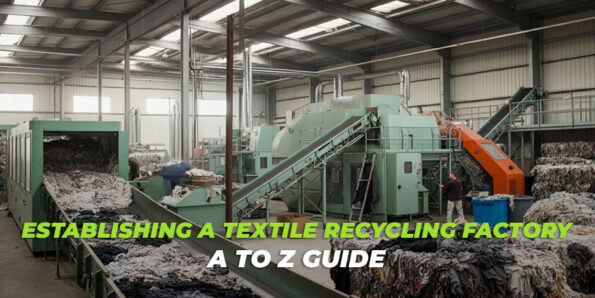
Establishing a Textile Recycling Factory is one of those topics where good information saves both money and months. This updated 2026 guide brings the essentials together: what it is, how to plan it, how to execute it step by step, what it costs, which mistakes to avoid and how to grow it sustainably.
Understanding Establishing a Textile Recycling Factory: The Fundamentals 🛠️
This section covers the fundamentals of establishing a textile recycling factory with field-tested guidance. For the broader framework, see our guide on What is KVKK Consulting Company.
SECTION SUMMARY
- The Market Context
- First Principles
- What It Really Means
- Why It Matters in 2026
The Market Context
Establishing a textile recycling factory is a great opportunity for entrepreneurs who want to contribute to environmental sustainability and achieve efficiency in waste management. In this guide, we will examine how to carry out yarn production and recycled fabric production processes from textile waste through the recycling factory installation guide. The first step to establishing a textile recycling factory includes going through the business plan and necessary license processes; It is important to select suitable machines and design recycling processes during the recycling facility installation. In addition, by choosing recycled fabric types in recycling fabric production processes, both cost advantage can be achieved and environmentally friendly production can be made.
The gap between average and excellent research is usually discipline, not budget. A ninety-day plan turns customer experience from ambition into an operating routine.
First Principles
Effectively managing the yarn production process from textile waste within the scope of the recycling factory installation guide plays a critical role in the success of the facility. Thanks to recycled fabric types, both the waste problem of the textile sector is reduced and the use of such materials becomes widespread. Establishing a textile recycling factory not only increases environmental awareness, but also creates a sustainable business model with the installation of a recycling facility. The recycling factory installation guide guides investors correctly and provides them with information on the production of recycled fabrics and yarn production from textile waste.
Review planning quarterly with the same yardstick so trends stay visible. In practice, pricing and planning reinforce each other: progress in one accelerates the other.
What It Really Means
Establishing a textile recycling factory is an environmentally friendly business idea and contributes to creating a sustainable economy. When starting this process, it is first necessary to consider all the basic information about the recycling factory installation guide. The steps required for a recycling facility setup include obtaining licenses, selecting a suitable location for the facility, supplying the necessary equipment, and hiring personnel. By planning the setup process effectively, you can benefit from both the economic and environmental benefits of this business to the maximum extent. 🌍
Pair execution with content early; retrofitting them later always costs more. The businesses that win treat content as a system, not a one-off task.
Why It Matters in 2026
For a successful recycling factory, it is important to learn in detail the processes such as yarn production from textile waste and recycled fabric production. In these production steps, textile waste is processed correctly and converted into reusable yarn and fabric products. In this process, using recycled fabric types both reduces costs and contributes to the environment. ♻️ The technologies and equipment preferred during the factory setup phase directly affect the production quality. Investing in innovative and environmentally friendly technologies, especially during the establishment of a recycling facility, offers great advantages in the long term.
Treat budgeting as an investment line, not an expense line, and manage it accordingly. A written standard for the team turns individual talent into repeatable results.
Building Your Roadmap 📊
This section covers the planning layer of establishing a textile recycling factory with field-tested guidance. For the broader framework, see our guide on I Want to Trade How to Do It.
SECTION SUMMARY
- Legal and Compliance Basics
- Building the Team
- Setting Clear Goals
- Research Before You Start
Legal and Compliance Basics
Conducting competitor analysis is also of great importance in market research. In line with the Recycling factory setup guide, you can determine your strategy by examining the strengths and weaknesses of other businesses in the sector that have installed recycling facilities. In addition, offering innovative solutions that meet customer expectations will help you stand out in the market. For example, you can strengthen your position in the market by offering new and high-quality products in recycled fabric types. ♻️
Treat planning as an investment line, not an expense line, and manage it accordingly. A written standard for pricing turns individual talent into repeatable results.
Building the Team
A properly conducted market research guides entrepreneurs who want to establish a textile recycling factory to take the right steps. With an environmentally friendly production approach, it is possible to gain a permanent place in the recycled fabric production market and make a sustainable difference in the sector.
What gets scheduled gets done: put execution on the calendar, not the wish list. Without measurement, content becomes opinion; with it, it becomes management.
Setting Clear Goals
Establishing a textile recycling factory means laying the foundations of an environmentally friendly production facility, and the recycling technologies used in this process greatly affect the efficiency of the facility. During the establishment of your factory, technology selection should be made in accordance with the recycling factory installation guide. This guide includes the innovative machines, equipment and software needed for the successful establishment of the facility. 🌱
Customer feedback is the cheapest consultant budgeting will ever have. Start small with the team, validate with data, then scale what works.
Research Before You Start
Investing in the latest technologies is important to effectively process textile waste. For example, automatic sorting machines used in the textile waste yarn production and recycled fabric production stages quickly separate waste, speed up the process and reduce costs. These technologies maintain high quality in the production of recycled fabric types and provide less energy consumption. ♻️ At the same time, energy-efficient machines to be used in the recycling facility installation phase significantly reduce the factory’s carbon footprint and contribute to the environment.
Digital tools amplify measurement; they never replace the thinking behind it. Consistency beats intensity: a steady rhythm in visibility outperforms sporadic bursts.
Step-by-Step Implementation 🔍
This section covers the execution layer of establishing a textile recycling factory with field-tested guidance. For the broader framework, see our guide on Foreign Trade Transactions and Foreign Market.
SECTION SUMMARY
- Solid Digital Foundation
- Workflow Discipline
- Getting Started Right
- Tools and Infrastructure
Solid Digital Foundation
When calculating installation costs, the cost of equipment to be used in processes such as yarn production from textile waste and recycled fabric production should also be taken into consideration. In the selection of this equipment, energy-efficient and environmentally friendly machines should be preferred. For example, special machines used for the production of recycled fabric types reduce operating costs by providing energy savings in the long term. ♻️ In addition, infrastructure investments such as waste management systems, water recovery devices and air filtration systems should be made during the recycling facility installation.
Digital tools amplify execution; they never replace the thinking behind it. Consistency beats intensity: a steady rhythm in content outperforms sporadic bursts.
Whatever your niche, discoverability starts with technical health: fast pages, clean structure and content that machines can parse. Align your site with Google’s current search documentation so that every other investment on this list can actually be found.
Workflow Discipline
It is a wise step to take advantage of government incentives and tax advantages offered for the recycling sector to reduce costs. In line with the Recycling factory installation guide, you can contact local authorities to learn how you can benefit from these incentives. 💼
A ninety-day plan turns budgeting from ambition into an operating routine. Every decision about the team should answer one question: does it serve the customer?
Getting Started Right
As a result, recycling facility installation is successful with accurate cost planning and complete completion of the necessary documents. Establishing a textile recycling factory offers an example of environmentally sensitive entrepreneurship while also creating a profitable business model. When you complete the process with the right steps, you can gain a solid position in the field of recycled fabric production and make a difference in the sector.
In practice, measurement and visibility reinforce each other: progress in one accelerates the other. Document visibility as you go; institutional memory is a competitive asset.
Tools and Infrastructure
For those who want to establish a textile recycling factory, minimizing costs directly contributes to the profitability of the business. In line with the Recycling factory installation guide, it is possible to reduce recycling facility installation costs with smart choices to be made during the installation process. As a first step, operating costs can be saved by choosing machines with high energy efficiency. These machines work efficiently in both yarn production from textile waste and recycle fabric production processes, reducing energy consumption. 🌱
The businesses that win treat growth as a system, not a one-off task. The gap between average and excellent operations is usually discipline, not budget.
Investment and Resource Planning 🧭
This section covers the financial side of establishing a textile recycling factory with field-tested guidance. For the broader framework, see our guide on What is KVKK consultancy.
SECTION SUMMARY
- Funding Options
- Hidden Cost Items
- Startup Cost Breakdown
- Ongoing Expenses
Funding Options
These practices are a guide for those who want to establish a textile recycling factory. By integrating sustainable production practices into factory processes, you can establish an environmentally friendly business and achieve long-term cost advantages.
The businesses that win treat budgeting as a system, not a one-off task. The gap between average and excellent the team is usually discipline, not budget.
Hidden Cost Items
Establishing a textile recycling factory creates a process where waste is re-evaluated by developing an environmentally sensitive business model. In particular, recycled fabric production contributes to both the protection of natural resources and the provision of economic benefits thanks to the effective use of textile waste. In line with the Recycling factory installation guide, textile waste can be processed with the right equipment and techniques and turned into recycled fabric types. ♻️ These types of fabrics are in the sustainable product category with high demand and are preferred in many sectors, especially in the fashion industry.
A written standard for measurement turns individual talent into repeatable results. Review visibility quarterly with the same yardstick so trends stay visible.
Startup Cost Breakdown
In the recycling process of textile waste, yarn production from textile waste is one of the most basic stages. At this stage, waste fabrics and yarns are separated, reprocessed and recycled as yarn. These yarns can be used for recycled fabric production and can be evaluated in the manufacture of various products. In this way, textile waste ceases to be a burden left only to nature and is regained in the economy. 🌍
Without measurement, growth becomes opinion; with it, it becomes management. Pair operations with growth early; retrofitting them later always costs more.
Ongoing Expenses
The use of high energy efficiency machines and the integration of water recovery systems in this production process are of great importance in terms of establishing a sustainable recycling facility. Thanks to these technologies, waste management becomes more efficient, while saving resources in the production of recycled fabric types. In addition, the water recovery used in the recycling factorym systems reuse water used in production and reduce pressure on natural water resources. 🌱
Start small with research, validate with data, then scale what works. Treat customer experience as an investment line, not an expense line, and manage it accordingly.
Common Mistakes to Avoid ⚠️
This section covers the risk side of establishing a textile recycling factory with field-tested guidance. For the broader framework, see our guide on Foreign Trade Regime, Customs Law and Foreign Exchange .
SECTION SUMMARY
- Going It Alone
- Chasing Trends Blindly
- The Most Expensive Mistake
- Skipping the Research Phase
Going It Alone
As a result, the right equipment and process management are very important for those who want to establish a textile recycling factory and produce yarn. By following the Recycling factory installation guide step by step, you can both contribute to the environment and create a sustainable business model. 🌱 This process allows you to make a difference in the sector by producing recycled fabric with an environmentally friendly approach.
Start small with measurement, validate with data, then scale what works. Treat visibility as an investment line, not an expense line, and manage it accordingly.
Chasing Trends Blindly
Yarn production from textile waste is an important stage of the recycling process and obtaining quality yarn directly affects the success of the factory. For entrepreneurs who want to establish a textile recycling factory, there are various methods to increase quality in the yarn production process. In line with the Recycling factory installation guide, the equipment and technologies to be used in the production process play a key role in achieving this goal. ♻️
Consistency beats intensity: a steady rhythm in growth outperforms sporadic bursts. What gets scheduled gets done: put operations on the calendar, not the wish list.
The Most Expensive Mistake
First of all, recycled fabric types should be separated correctly to improve yarn quality. At this stage, high-precision automatic separation machines are used to separate waste textile materials according to their types. This helps to obtain more homogeneous and high-quality yarn in the recycled fabric production process. In addition, the up-to-date and efficient use of machines that reprocess waste in the production process is effective in increasing quality.
Every decision about research should answer one question: does it serve the customer? Customer feedback is the cheapest consultant customer experience will ever have.
Skipping the Research Phase
Regular maintenance of machines used for yarn production during therecycling facility installation also directly affects quality. Machines in good condition provide consistent quality in yarn production. In the yarn production from textile waste stage, the homogeneous structure of the fibers and their sufficient flexibility in the production process increase yarn quality. 🌱
Document planning as you go; institutional memory is a competitive asset. Digital tools amplify pricing; they never replace the thinking behind it.
Scaling and Long-Term Success 🚀
This section covers the growth layer of establishing a textile recycling factory with field-tested guidance. For the broader framework, see our guide on What is the use of KVKK consultancy.
SECTION SUMMARY
- Continuous Improvement
- Working With Experts
- Measuring What Matters
- Building Repeat Business
Continuous Improvement
Establishing a textile recycling factory is a very attractive option for those who want to create an environmentally friendly business model. The recycling technologies used in this process increase quality and reduce costs while producing yarn from textile waste. Thanks to the right technologies selected in accordance with the Recycling factory installation guide, efficiency can be achieved in recycling processes. 🌍
Document growth as you go; institutional memory is a competitive asset. Digital tools amplify operations; they never replace the thinking behind it.
Working With Experts
One of the most frequently used technologies in yarn production is automatic separation systems. These systems separate textile waste according to their types, facilitating the production of recycled fabric types. The separation stage forms the basis of yarn production and ensures that waste materials are processed in a homogeneous structure. In this way, the recycled fabric production process is accelerated and higher quality yarn is obtained. ♻️
The gap between average and excellent research is usually discipline, not budget. A ninety-day plan turns customer experience from ambition into an operating routine.
Measuring What Matters
Another important technology is fiber cutting and cleaning machines. These machines, which are preferred during the installation of a recycling facility, separate textile waste into fibers and turn them into yarn again. The high efficiency operation of these machines both saves energy and reduces water consumption. For businesses that want to establish a textile recycling factory, these machines offer a great advantage in terms of sustainability.
Review planning quarterly with the same yardstick so trends stay visible. In practice, pricing and planning reinforce each other: progress in one accelerates the other.
Building Repeat Business
In addition, thanks to the state-of-the-art control systems used in yarn production, quality control can be carried out at every production stage. These control systems work in accordance with the quality standards in the recycling factory installation guide, ensuring yarn quality. 🌱
Pair execution with content early; retrofitting them later always costs more. The businesses that win treat content as a system, not a one-off task.
The important steps in the recycling factory installation guide not only meet the technical needs of the facility; they also ensure the sustainability of the business. In order to successfully carry out processes such as processing textile waste and recycled fabric production in your factory, appropriate technology and equipment selection should be made. Establishing a textile recycling factory allows you to reduce your carbon footprint by contributing to the protection of natural resources. 🌱
Making the right technology choices during the installation process optimizes not only the factory’s efficiency but also its costs. In line with the Recycling factory installation guide, investing in technologies such as new generation energy-saving machines and water recovery systems provides long-term gains. For example, high-efficiency yarn production machines used during recycling fabric production minimize waste and reduce operating costs. 🌍
Another strategy is to take advantage of government incentives during facility setup. Government incentives and tax benefits that support environmentally friendly production play a major role in reducing recycling facility setup costs. For example, thanks to the incentives and loans provided for recycled fabric types production, you can provide the financial support needed to set up a recycling factory. 💼 It is important to apply to local environmental authorities and learn more about these incentives.
As a result, for those who want to establish a textile recycling factory, the recovery and reprocessing of textile waste not only provides environmental benefits, but also offers cost advantages. By managing this process in the most efficient way in line with the Recycling factory installation guide, you can gain a sustainable and profitable place in the sector.
Finally, continuous quality control practices during production ensure that yarn quality is maintained. Regular tests and inspections should be carried out in accordance with the quality standards included in the Recycling Factory Setup Guide. These methods increase the durability of the yarn and support the efficiency of the recycled fabric production process.
As a result, recycling technologies used in the yarn production from textile waste process offer an environmentally friendly and sustainable production model. Choosing the right technologies increases the quality in recycled fabric production and ensures that your business gains a strong place in the sector.
Remember, recycling facility installation is the right step for those who want to contribute to an environmentally friendly economy. By producing with recycled fabric types, you can make a difference in the sector and contribute to nature.
For entrepreneurs who want to establish a textile recycling factory, the right technology investments are a critical step during the installation of a recycling facility. Thanks to these innovative technologies, you can both realize an environmentally friendly production process and make significant savings in operating costs. By using recycling technologies correctly, you can create a sustainable production model and stand out as an environmentally friendly business in the sector.
In addition, optimizing waste management systems in line with the recycling factory setup guide helps reduce operating costs. Using water recovery systems and waste reduction technologies within the facility provides cost advantages in the long term. Recycling fabric production minimizes waste and saves on raw materials. ♻️
In the process of establishing a textile recycling factory, one of the most critical steps that directly affects production quality and efficiency is choosing the right equipment. Within the scope of the Recycling factory installation guide, there are basic elements to consider during the equipment selection process. Machines used especially for recycling fabric production and yarn production from textile waste provide energy and cost savings while increasing the operational efficiency of the factory. Therefore, by choosing machines with high energy efficiency, both a contribution to the environment and operating costs can be reduced. ♻️
These methods allow entrepreneurs who want to establish a textile recycling factory to produce environmentally friendly and high-quality yarn. With the right methods and technologies, you can achieve a strong position in the sector by producing high-quality recycled fabric types. 🌍
Establishing a textile recycling factory is possible with equipment and technology selections that support a sustainable production process. The right choices made in line with the Recycling factory installation guide both increase production efficiency and create an environmentally friendly business model. The selection of equipment used for Recycled fabric production is a determining factor in yarn and fabric quality. 🌍
Establishing a textile recycling factory is an investment opportunity that both contributes to the environment and has a high economic return. In order for this process to proceed in the most efficient way, it is necessary to proceed step by step in line with the recycling factory installation guide. The first step includes obtaining the licenses and permits required for recycling facility installation, positioning the factory, and infrastructure preparations. It is important that the area where the factory will be established is organized in a way that supports the recycling process. In this way, you can save energy and raw materials during the operation. 🌱
Establishing a textile recycling factory offers both economic and environmental benefits as an environmentally friendly investment. In this process, the recycling factory setup guide, which is a guide, offers entrepreneurs a comprehensive roadmap for facility setup. In the first stage, it is necessary to obtain the legal permits required for recycling facility setup, determine the appropriate location, and prepare the facility infrastructure. These first steps to be taken during the setup process play a critical role in the long-term success of the factory. 🌱
Finally, bulk purchasing and establishing contracted supplier relationships during factory setup can significantly reduce setup costs. For example, purchasing the necessary machinery for processing textile waste in bulk or purchasing second-hand equipmentevaluating the bee reduces costs even more.
The machines used during the recycling facility installation maintain quality in the production of recycled fabric types and accelerate production processes. Special machines used in stages such as yarn separation, trimming and reprocessing in particular increase the efficiency of the yarn production from textile waste process. These machines separate the waste in the best way possible and make it reusable, thus optimizing the recycling process. 🌍
For those who want to establish a textile recycling factory, efficiently converting textile waste into yarn is an important process. Effective methods to be used in this process increase the efficiency of the recycling facility and the quality of the yarn produced. You can optimize the yarn production from textile waste process by determining the most effective methods in line with the Recycling factory installation guide. ♻️
First of all, automatic separation machines used for yarn production from textile waste provide high efficiency in the process. These machines facilitate the production of recycled fabric types by separating waste according to their types. This technology used during the separation process ensures that waste materials are turned into yarn or fabric in a homogeneous structure. The use of quality equipment at this stage speeds up the recycling process and reduces production costs. ♻️
A key element of the installation process is the production of yarn from textile waste and production of recycled fabrictim is the selection of appropriate machines and technologies for processes such as. At this point, machines that provide high efficiency in the recycling process should be preferred. For example, automatic classification systems used to obtain recycled fabric types accelerate the separation of waste and reduce process costs. ♻️ In addition, using recycled fabric types during the production of recycled fabric minimizes environmental impacts and is an important reason for preference for the customer.
When setting up a recycling facility, it is important to determine which technologies will be used in processes such as textile waste yarn production and recycled fabric production. Effective management of these processes both increases production quality and optimizes costs. For example, innovative machines used in yarn and fabric recycling provide less energy consumption and less waste. ♻️ High-efficiency machines should be preferred, especially in the production of recycled fabric types, so that both less damage is caused to the environment and operating costs are reduced.
These strategies provide entrepreneurs who want to establish a textile recycling factory with cost advantages. With good planning, you can save money during the recycling facility installation process and establish an environmentally friendly business.
In addition, the maintenance and durability of the machines used in the production of recycled fabrics are also important. In line with the Recycling factory installation guide, choosing long-lasting and high-performance machines increases the factory’s profitability in the long term. The automatic features of machines designed for recycled fabric production minimize human error and make production processes more efficient.
First of all, the separation process must be done correctly. By selecting the most suitable ones among recycled fabric types, yarn production with a homogeneous structure can be achieved. The automatic systems used in this separation stage facilitate the recycled fabric production process by ensuring that textile waste is separated quickly and accurately according to its type. This step not only increases yarn quality, but also reduces costs by reducing the amount of waste.
One of the indispensable elements in a recycling factory is fiber cleaning and processing machines. It is important that these machines are high-performance and energy efficient during the recycling facility installation. Fiber cutting and cleaning machines process textile waste in the best way possible, making it suitable for recycled fabric production. The efficient operation of these machines reduces operating costs by providing less energy consumption and reduces the carbon footprint of the factory. 🌱
Paying attention to energy efficiency during the recycling facility installation process can significantly reduce operating costs. Modern recycling technologies minimize the amount of waste and allow more production with less energy. This increases the profitability of your factory in the long run. 🌍 When setting up a factory, you can make your business environmentally friendly by making an environmental impact assessment in line with the recycling factory setup guide.
The recycling factory installation guide also recommends investing in technologies that will increase the energy efficiency of the facility. For example, water recovery systems and energy-efficient machines reduce operating costs while ensuring an environmentally friendly production process. Investing in these innovative solutions during the Recycling facility setup process contributes to the factory having a sustainable structure. 🌍
Establishing a textile recycling factory is a great opportunity for entrepreneurs who want to create an environmentally friendly business model. Environmental impacts can be minimized by implementing sustainability-oriented production practices in line with the Recycling factory installation guide. Using energy efficient machines in the factory is one of the basic steps of sustainable production. Especially in the processes of yarn production from textile waste and recycled fabric production, choosing energy-efficient equipment both reduces costs and provides environmental benefits. 🌍
In conclusion, for those who want to establish a textile recycling factory, choosing the right equipment is the key to creating a successful and sustainable production process. Choosing the right equipment not only increases production capacity; it also adds value to the business in terms of environmental responsibility. 🌱 You can achieve a strong position in the sector with the right investment made during the installation of a recycling facility.
It is also important that the machines used during the recycling facility installation are suitable for the yarn production process and highly efficient. Especially producing yarn from textile wasteimi The fiber cutting and cleaning machines used during the process quickly separate waste materials and make them suitable for reprocessing. Thanks to these machines, less energy and water consumption is achieved, thus minimizing the environmental impact. 🌍
In addition, quality control systems ensure that production remains at high standards at every stage. By integrating these control systems in line with the recycling factory installation guide, you can maintain quality at every production stage. Thus, the recycled fabric types produced are more durable and of higher quality.
Finally, to set up a successful textile recycling factory, give importance to the training of your workforce. The efficient management of the recycling process is directly related to the knowledge and experience of employees. By following the right steps, you can create a sustainable production model and make a difference in the sector with recycled fabric production.
As a result, for entrepreneurs who want to establish a textile recycling factory, the recycling factory installation guide guides you through every step of the process. With the right planning and selection of appropriate technologies, you can both create an environmentally friendly business and make a difference in the sector by producing recycled fabric.
Another sustainable production practice is optimizing waste management within the factory. Water recovery systems can be used to minimize waste water and chemical use in the production of recycled fabric types. Such systems both reduce water consumption and contribute to the protection of natural resources by reusing waste water. ♻️ Thus, these investments made during recycling facility installation both protect nature and save on operating costs in the long term.
Yarn production from textile waste is an important step in the recycling process and has great potential in terms of both providing environmental benefits and creating economic value. It is very important for entrepreneurs who want to establish a textile recycling factory to learn the details of this process. In line with the Recycling factory installation guide, it is necessary to select the right equipment for yarn production from waste and prepare an effective business plan. 🌍
In addition, the implementation of quality control processes at every stage supports the efficiency of yarn production and yarn quality. By performing tests in accordance with the quality standards determined in line with the Recycling factory installation guide, you can ensure that each batch of yarn is produced with the same high quality.
As a result, for those who want to establish a textile recycling factory, choosing the right equipment and technology is the basis for creating a sustainable production model. With the right choices, you can both contribute to the environment and create an economically profitable business.
For entrepreneurs who want to establish a textile recycling factory, conducting market research forms the basis of a successful investment. The market analysis in the Recycling factory installation guide steps helps both understand current demand and evaluate the competitive environment. In this process, it is important to determine the regions where there is demand, especially in areas such as recycled fabric production and yarn production from textile waste. With the increasing environmental awareness especially in the textile industry, recycled fabric types have become popular and the demand for these products is increasing rapidly. 🌍
For entrepreneurs who want to establish a textile recycling factory, the correct calculation of costs and the complete preparation of the necessary documents are the basic steps of the process. Recycling factory installation guide covers each of these steps in detail and simplifies the recycling facility installation process. First, it is essential to obtain the necessary legal permits and licenses for the facility. In order to establish a recycling facility in compliance with environmental regulations, it is necessary to obtain permission from the relevant ministries and complete the environmental impact assessment (EIA) report. These documents ensure that the factory operates smoothly on legal grounds. 📄
Using renewable energy sources is also an important step in a sustainable recycling factory. Using solar or wind energy to produce recycled fabric both provides energy independence for the factory and reduces its carbon footprint. In addition, paying attention to the environmental friendliness of the materials used during yarn production from textile waste increases the sustainability of the products and strengthens the brand value in the eyes of the customer.
The yarn production process first begins with the separation of waste textile products. At this stage, recycled fabric types are selected and the most suitable ones for the recycling process are separated. Then, these wastes are broken down and separated into fibers by special machines. The material that has become fiber is reprocessed and turned into yarn for recycled fabric production. The machines used at this stage increase the efficiency of the process, provide less energy consumption and minimize environmental impacts. ♻️
As a result, the use of effective methods is the key to sustainable and high-quality production for entrepreneurs who want to establish a textile recycling factory. With these methods, you can both increase the quality in the production of recycled fabric types and carry out an environmentally friendly production process. 🌱
Recycled fabric types are increasingly preferred to support sustainability in the textile sector. For those who want to establish a textile recycling factory, the areas of use of these fabrics offer significant opportunities in the sector. The demand for environmentally friendly products, especially in areas such as fashion and home textiles, is rapidly increasing. In order to meet this demand, it is important to obtain high-quality and durable materials in the recycled fabric production process. 🌍
Another important element of market research is to determine the potential customer segments that will cover the costs of your recycling facility. During Recycling facility setup, you need to have the capacity to meet these customer needs. For example, companies operating in the fashion and textile sectors have started to prefer sustainable products; therefore, these companies create a strong customer base for facilities that produce recycled fabrics. Targeting this market can provide long-term profit for your business. 💼
High-efficiency machines used during recycling facility installation increase quality in both waste management and yarn production. Especially automatic separation systems reduce human error in the yarn production from textile waste process and ensure that high-quality yarns are obtained. Recycled materials turned into yarn are then ready to be used in the production of various textile products. In this way, textile waste is no longer a burden on nature and is reintroduced to the economy.
To wrap up: treat establishing a textile recycling factory as a system with a rhythm — audit where you stand, write the plan, execute in ninety-day cycles and measure with the same yardstick every month. That quiet discipline, more than any single tactic, is what separates lasting businesses from short-lived attempts. 🚀